Belitung Snorkeling: Best Spots Around Lengkuas

Belitung Snorkeling: Best Spots Around Lengkuas

How to read this: Belitung Villa is an independent concierge guide — we curate and compare beach villas, resorts and island-hopping, then arrange your booking through a vetted operating partner. We do not own or operate the properties, and resort or brand names are used only as neutral examples, not claims of affiliation. Prices are by quote and vary by property, season and party; figures here are indicative. Flights, transfers and conditions change — confirm before you travel. This is general information, not a binding offer.

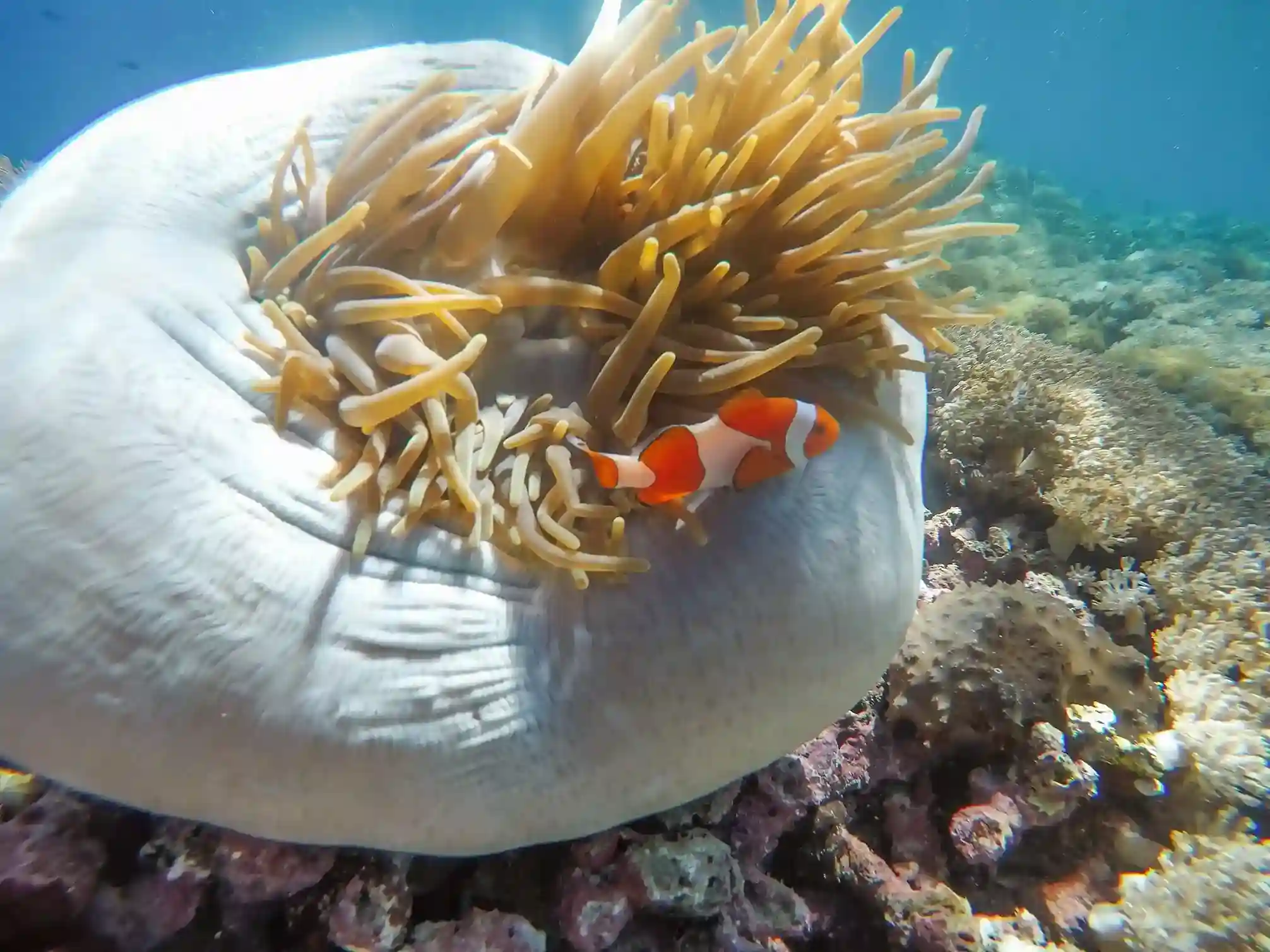
Belitung snorkeling means drifting over clear, shallow turquoise water around Lengkuas Island and its granite-boulder islets on an easy island-hopping boat day. The reefs are close to the surface, the sea is usually calm in season, and most guests can float above clownfish and coral gardens within minutes of anchoring.

What Belitung snorkeling is really like

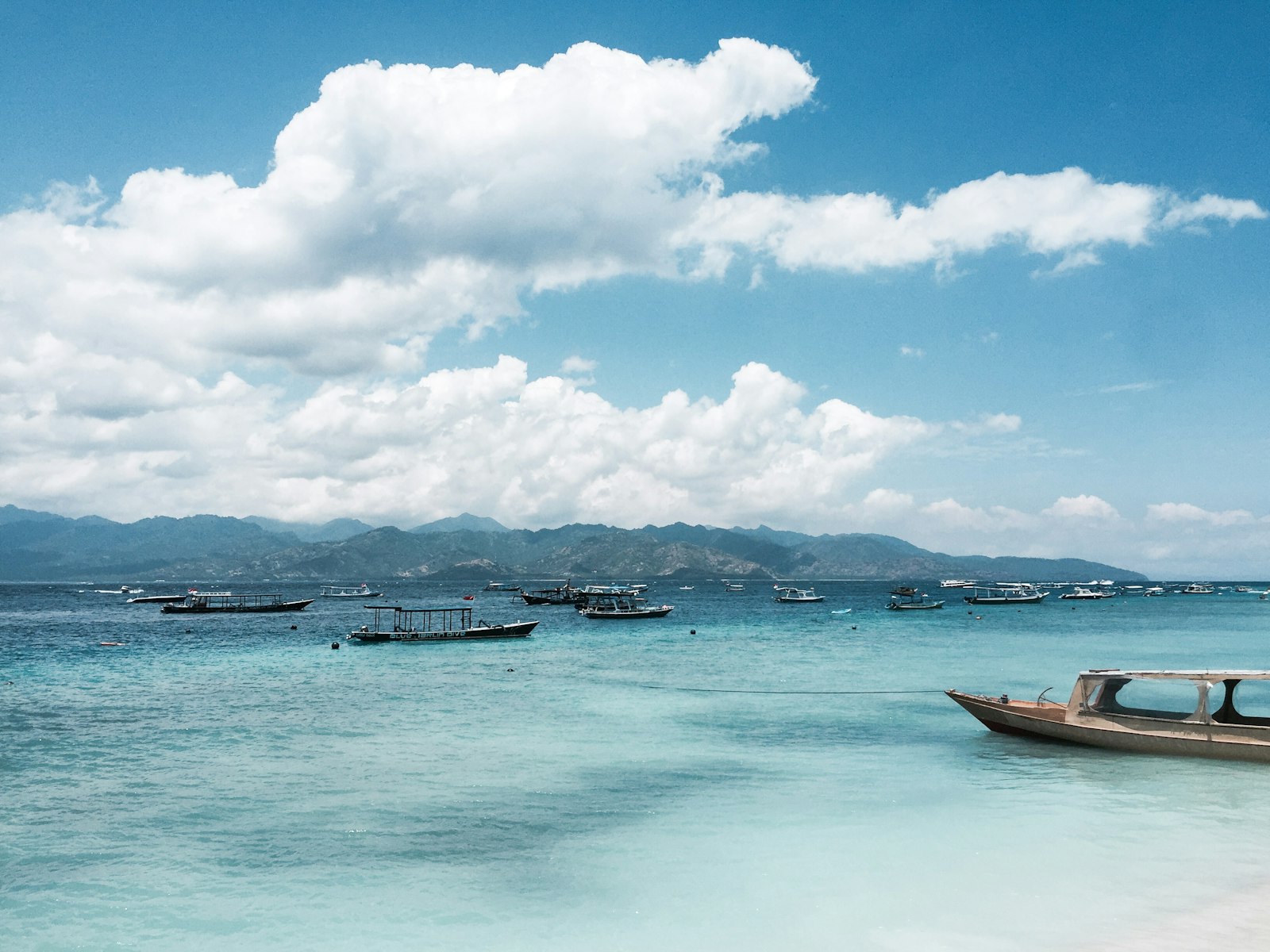
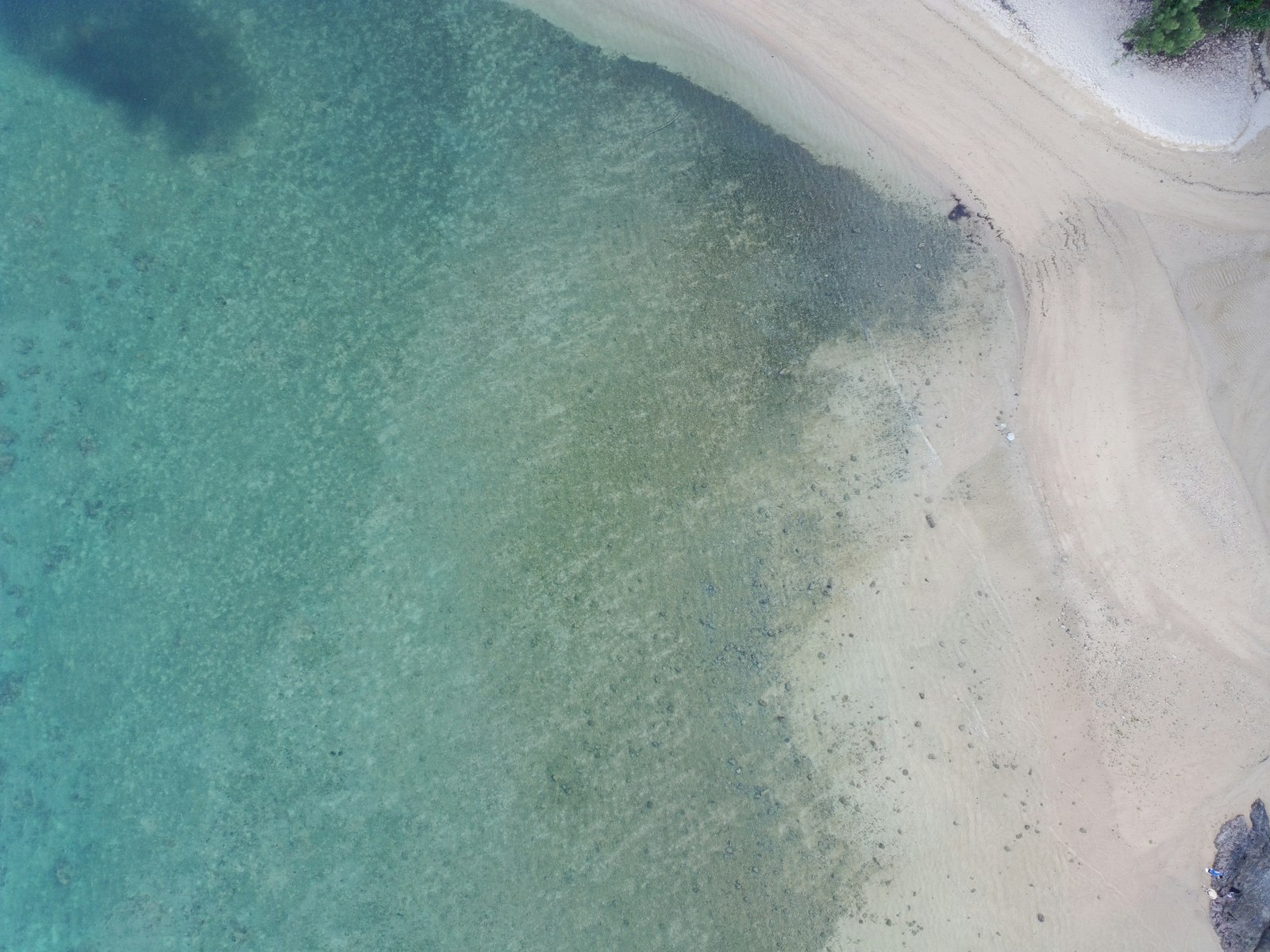
Belitung’s snorkeling is relaxed, shallow and surprisingly accessible. Think sand‑bottom lagoons in jewel‑tone water, separate patches of coral garden, and granite boulders that rise out of the sea like sculpture.

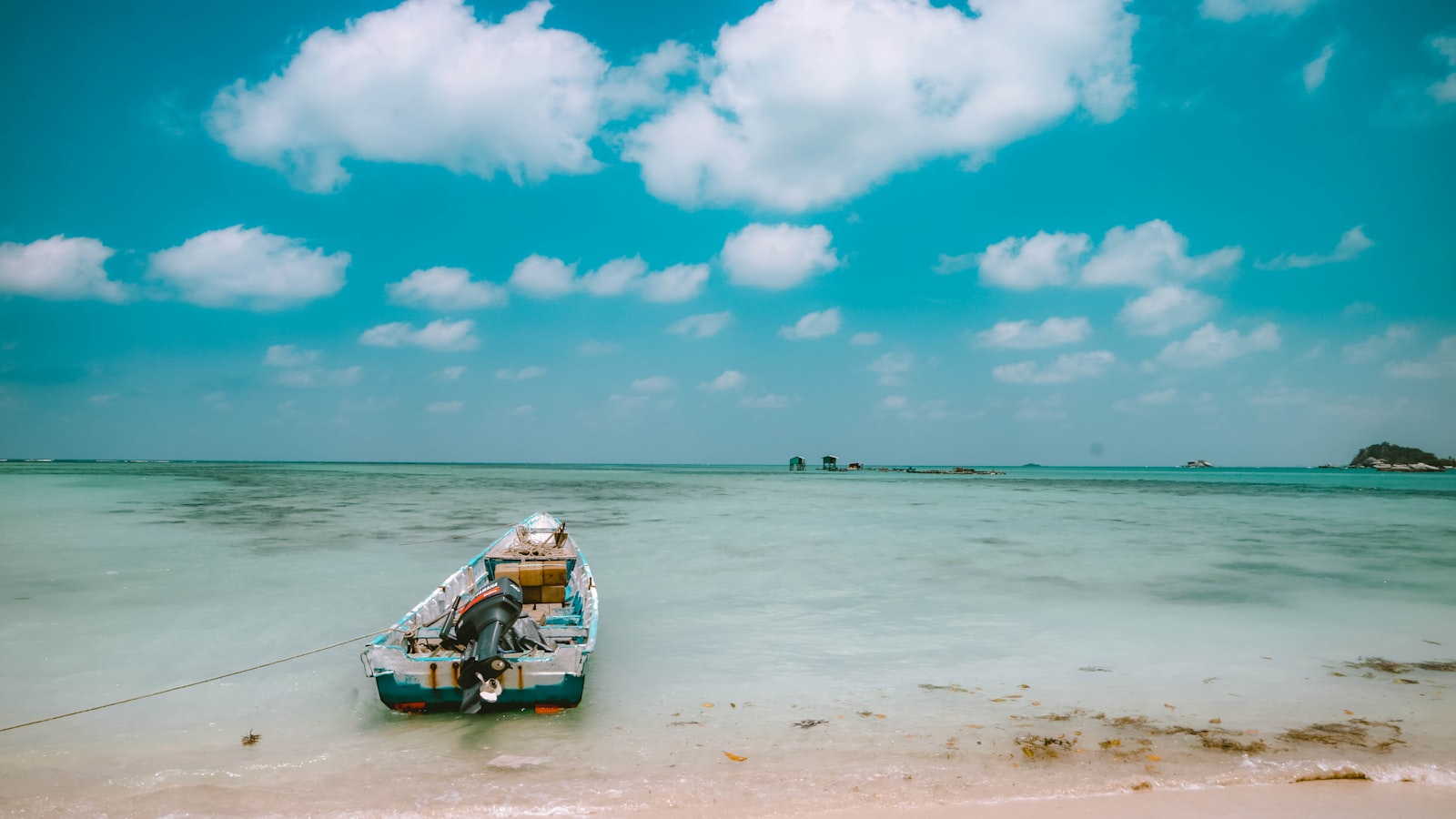
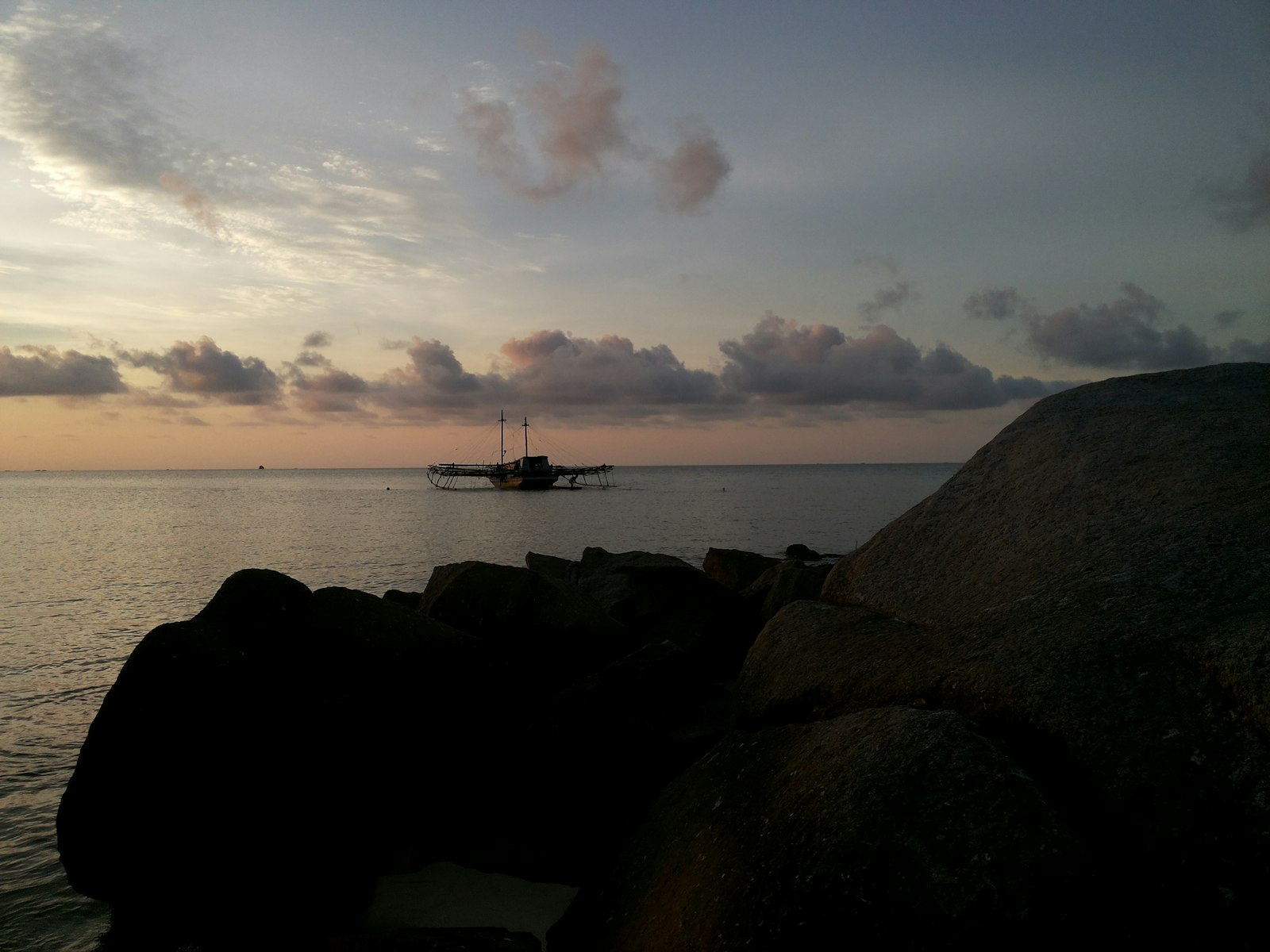
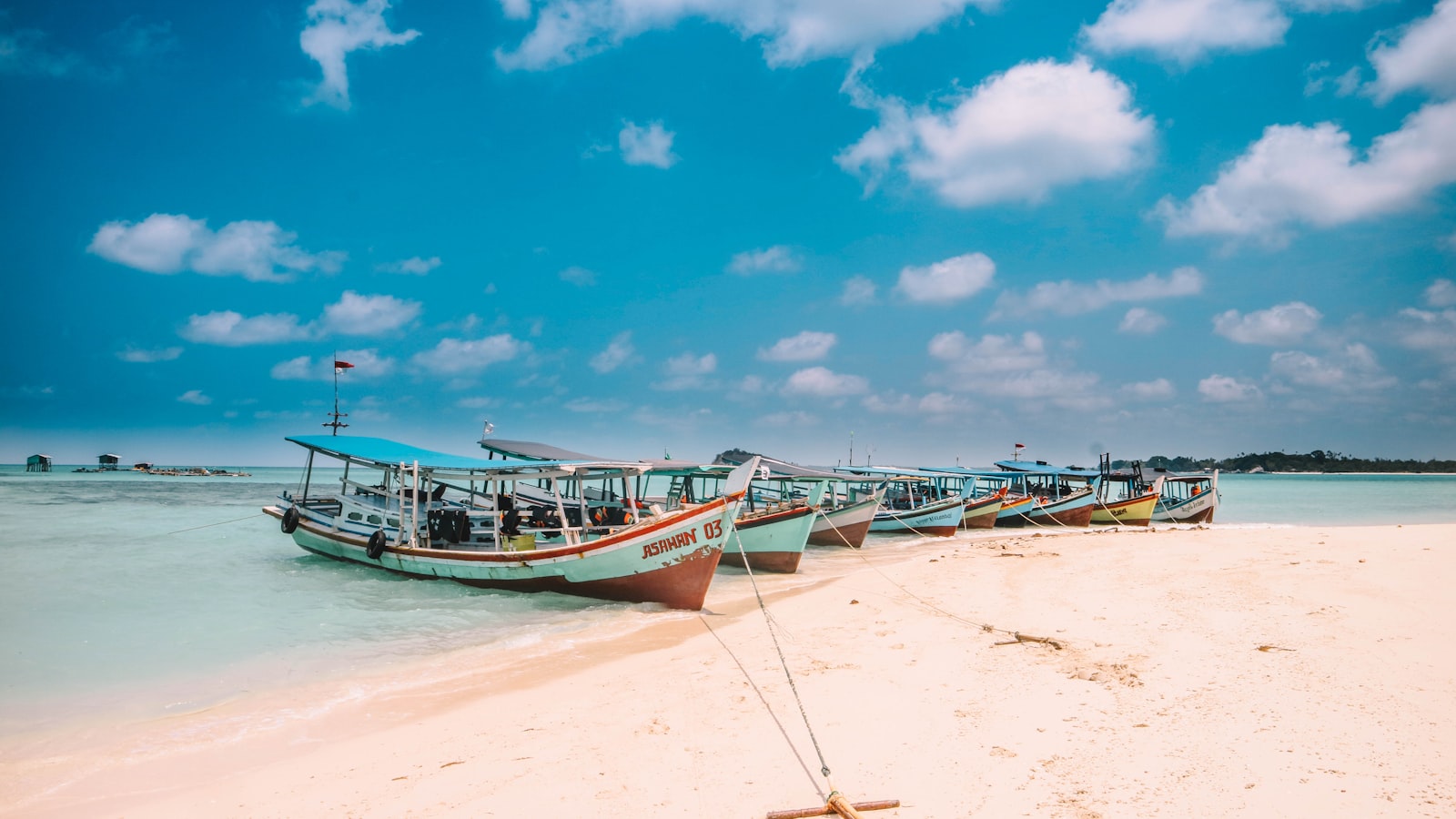
Most belitung snorkeling spots sit in the protected waters off Tanjung Kelayang in northwest Belitung. Boats trace a loose loop: beach departure → small granite islands → a mid‑channel reef stop → Lengkuas Island → more islets, then home. The snorkel spots are not far‑off barrier reefs; they’re compact, reachable in 10–30 minutes by local wooden boats.

Key things that define snorkeling in Belitung:

  • Shallow: Many reefs start in 1–3 m of water, dropping to 4–8 m — easy to see from the surface.
  • Clear: On a good day in drier months, visibility can reach 10–20 m; on windy days it can drop to 5–8 m.
  • Warm: Sea temperatures hover around 28–30°C most of the year; no wetsuit needed for short sessions.
  • Gentle: Inside the islet chain, waves are usually small; currents are present but manageable for guided groups.

You’ll see hard corals, soft corals in pockets, and typical Indo‑Pacific reef fish: sergeant majors, parrotfish, butterflyfish, damselfish, and the occasional ray or turtle if you’re lucky. Fish life here is pleasant rather than “headline” intense; the joy is the combination of warm water, broad views and the granite‑and‑turquoise setting.

How a Belitung snorkel day usually unfolds
Most island‑hopping and belitung snorkel trip itineraries follow a familiar rhythm:

  1. Morning departure from Tanjung Kelayang beach.
  2. Short hop to a first granite‑islet stop — sand, photos, perhaps a quick wade.
  3. First snorkel session over a shallow reef patch between islets.
  4. Move on to Lengkuas Island for lighthouse views and another snorkel area nearby.
  5. Simple beach lunch on an island (often grilled fish, rice, sambal, fruit).
  6. Optional second/third snorkel stops, plus photo time on sandbars or granite formations.
  7. Return to Tanjung Kelayang by mid‑afternoon.

Total time on the water: usually 5–7 hours. You’re never very far from land, and mobile signal can be patchy but not absent around parts of Lengkuas and the main channels.
Best Belitung snorkeling spots around Lengkuas

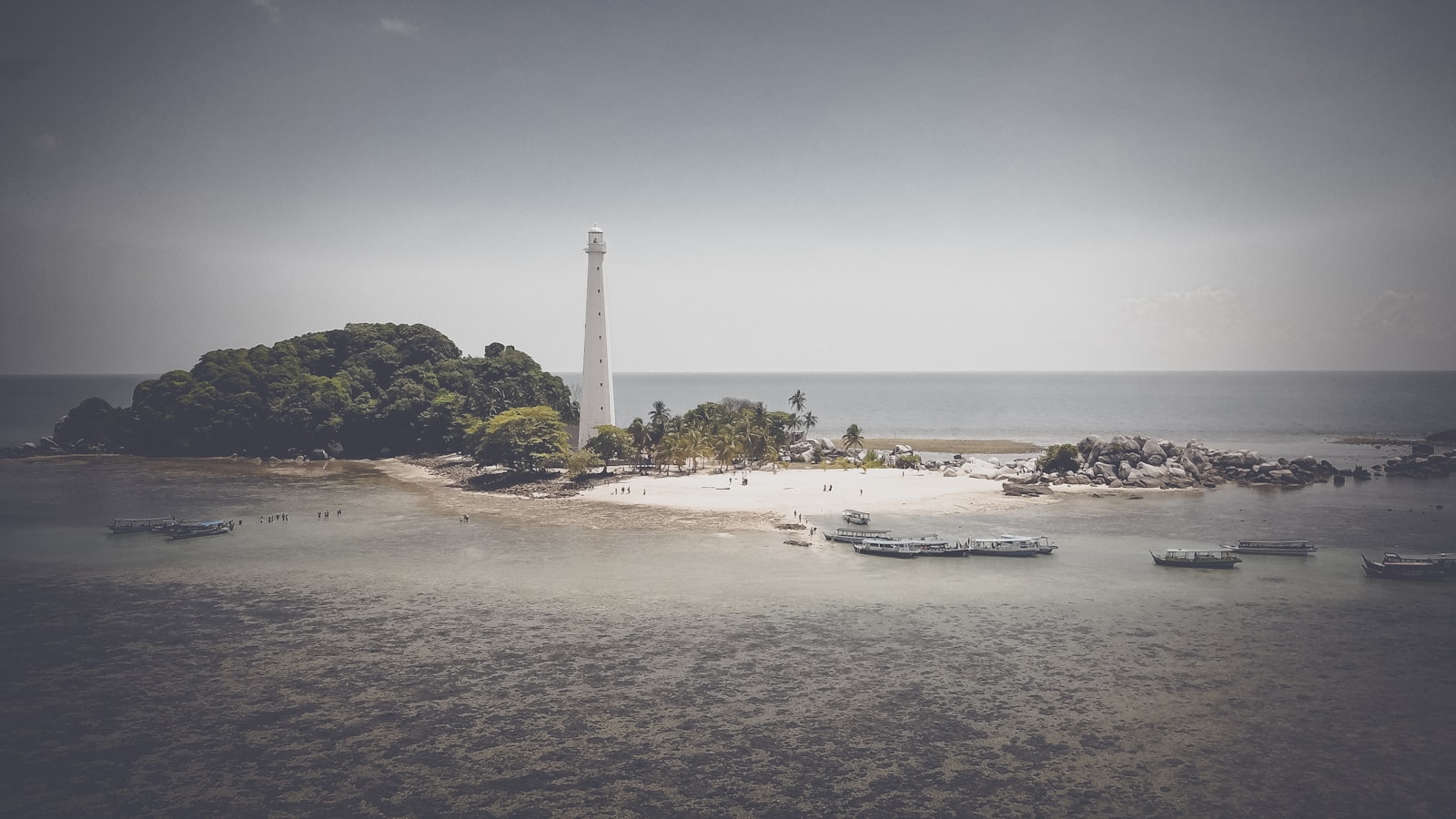
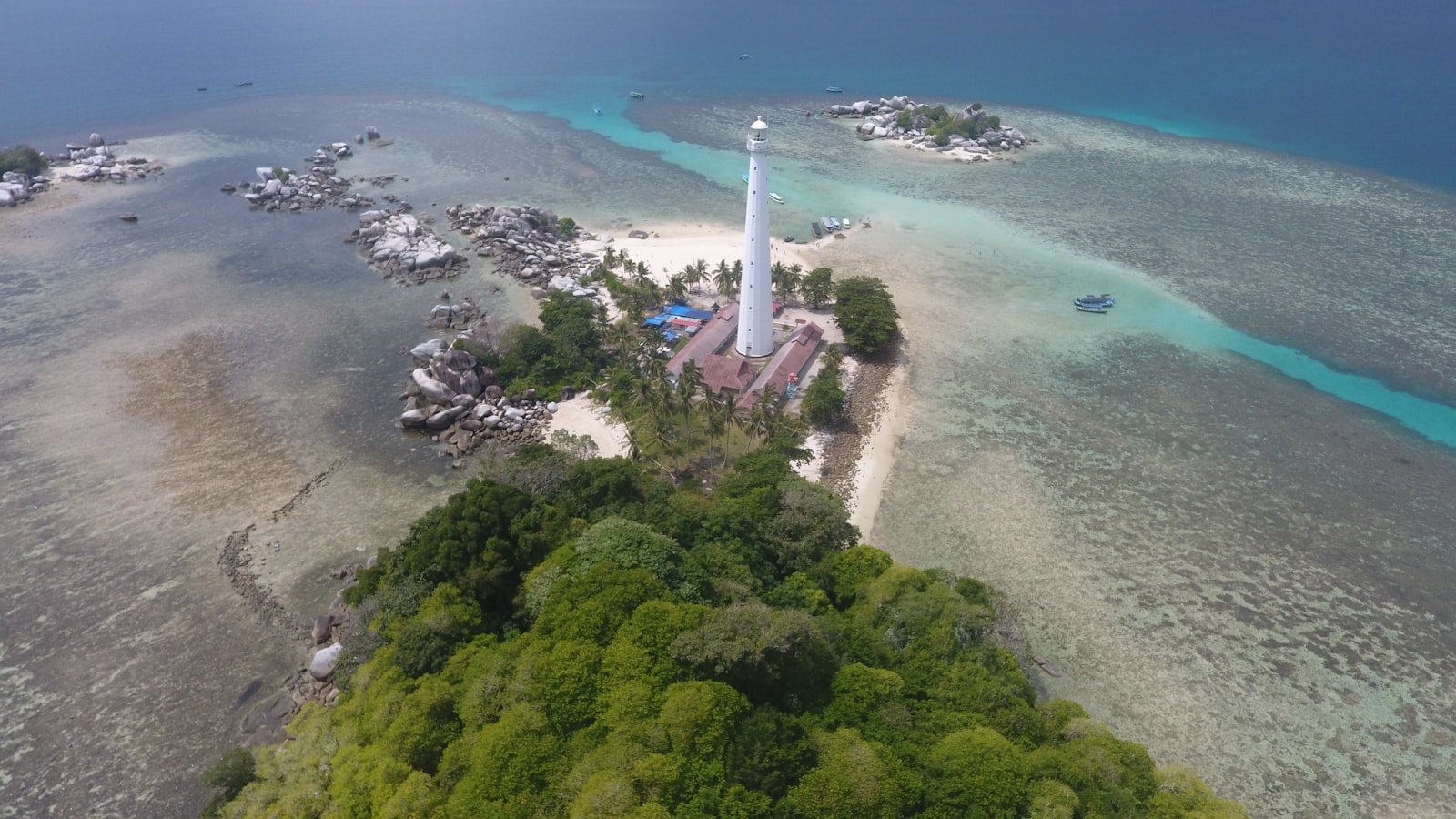
The heart of belitung snorkeling spots lies around Lengkuas Island and the chain of small islands and reefs northwest of Tanjung Kelayang. Boatmen use local names and landmarks, not buoyed dive sites, so exact coordinates aren’t standardized — but the pattern is consistent.

Below is a practical overview of the main areas you’re likely to snorkel.

Area What it’s like Depth range (approx.) Good for
Reefs near Lengkuas Island Patch reefs around the island, sandy channels, lighthouse backdrop. 1–8 m First‑timers, casual photography, mixed‑ability groups.
Mid‑channel reef stops (between Kelayang & Lengkuas) Anchored off low‑lying reefs; jump straight into clear blue‑green water. 2–10 m Confident swimmers, those wanting bigger “blue” feel.
Granite‑islet shallows (e.g. around small boulder islands) Rocky edges with coral patches, white‑sand pockets, very calm. 1–4 m Nervous swimmers, kids with guides, relaxed floating.
Near-shore coral patches off Tanjung Kelayang Short hop from shore, used when conditions out by Lengkuas are rougher. 1–5 m Short sessions, days with more wind offshore.

1. Around Lengkuas Island itself

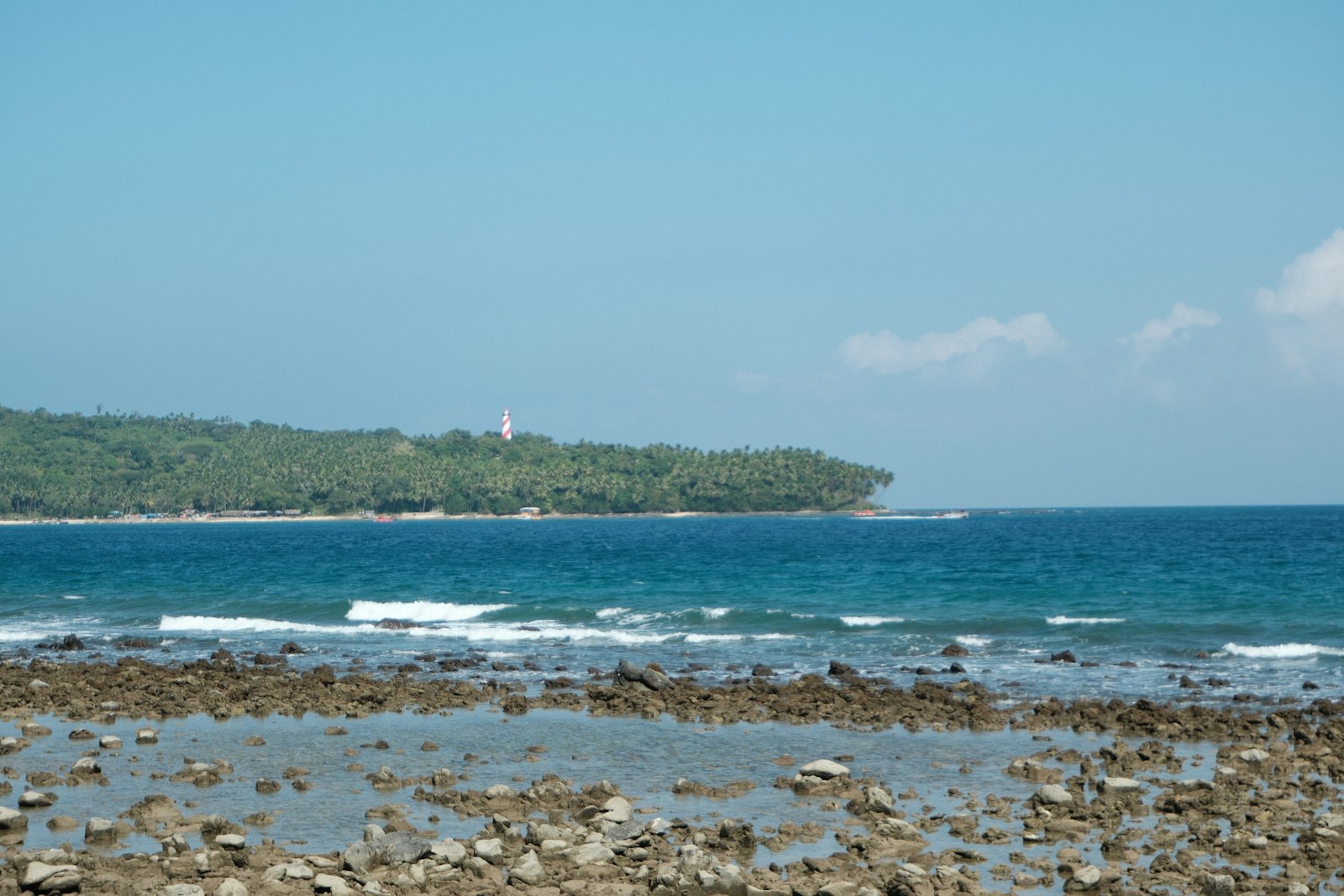
Lengkuas Island is the visual anchor of most belitung snorkeling trips: white sand, granite boulders, and the historic lighthouse. Just off its beaches lie small coral gardens.

What to expect:

  • Anchoring just offshore, then swimming 10–50 m to coral patches.
  • Calm to mild conditions on most dry‑season days.
  • Hard corals like table, branching and boulder forms; typical reef fish.
  • Occasional sand patches that are perfect for beginners to stand (with fins off) and re‑group — though avoid standing on coral itself.

For many guests, this is the first “I’m really snorkeling in Belitung” moment — with the lighthouse behind you and fish below.

2. Mid‑channel reef stops between Tanjung Kelayang and Lengkuas

These are often the most rewarding belitung snorkeling spots in terms of fish action and “big blue” ambiance.

Expect:

  • Boat anchored in 4–10 m of water.
  • Deep‑blue areas interspersed with shallower coral heads.
  • More schooling fish, slightly stronger currents on some days.
  • No island within immediate swimming distance — the boat is your base.

This is still beginner‑friendly with lifejackets and a guide in the water, but it feels more like open sea than a sheltered lagoon. Good guides time these stops around tide and wind to keep things manageable.

3. Shallows around the small granite islets

The smaller islets — the iconic granite boulder stacks you see in many Belitung photos — also host easy snorkel patches.

Here you’ll typically:

  • Anchor in sandy patches at the edge of the rocks.
  • Snorkel along the boulder bases where corals cling to rocky slopes.
  • Enjoy very clear, calm water on settled days, with the option to hop back on shore quickly.

Visibility around these islets can be excellent in the right season, and rock formations above water create dramatic light and shadow lines below.

4. Backup near‑shore patches off Tanjung Kelayang

On days with more wind offshore, some skippers pivot to snorkel spots closer to Tanjung Kelayang beach. These near‑shore patches are less dramatic but often calmer, with easier logistics for groups that prefer shorter swims.

It’s worth asking your concierge or guide the day before: “If the swell is up, what’s the Plan B snorkel stop?” A good operator will answer clearly instead of promising perfect conditions every day.

Beginner vs experienced: is Belitung snorkeling right for you?

Belitung is quietly ideal for first‑time snorkelers, families, and non‑swimmers who want a gentle intro. It’s also enjoyable for seasoned snorkelers who appreciate easy tropical days rather than “must‑tick” pelagic action.

If you’re a beginner or not confident in the water

You can still enjoy a belitung snorkel trip if:

  • You’re comfortable wearing a lifejacket.
  • You’re okay with short swims between the boat and shallower zones.
  • You choose a guide who understands that your priority is feeling safe, not “going far.”

Low‑stress details that help:

  • Lifejackets and floatation: Available on reputable boats; you can simply float on your front and look down.
  • Calm anchorages: In season, guides can pick lee‑side spots behind islets where chop is minimal.
  • Short water times: You can do multiple 10–15 minute dips instead of one long haul.

Tip: If you’re nervous, tell us that clearly. We’ll match you with a partner used to coaxing true first‑timers — not one focused on “covering” as many spots as possible.

If you’re experienced and have snorkeled widely

Setting expectations honestly:

  • Coral health is mixed: there are pretty gardens, but also some broken and algae‑covered sections.
  • Fish biomass is moderate, not world‑class; you’re unlikely to find the density of, say, Raja Ampat or Komodo.
  • No big‑animal guarantees: turtles, rays, and larger fish are occasional bonuses, not daily fixtures.

What you may still love:

  • The ease: warm water, gentle entries, no long surface swims.
  • The aesthetics: granite boulders above, turquoise water around, reef patches below.
  • The flexibility: mix multiple short snorkels with sandbar and photo stops instead of committing to long‑haul dive boats.

If snorkeling is your main trip driver and you want the richest underwater life in Indonesia, Belitung is a pleasant side‑chapter, not the headline act. If you’re here primarily for beaches and island‑hopping and want to add relaxed coral time, it fits beautifully.

What to bring and what gear to use

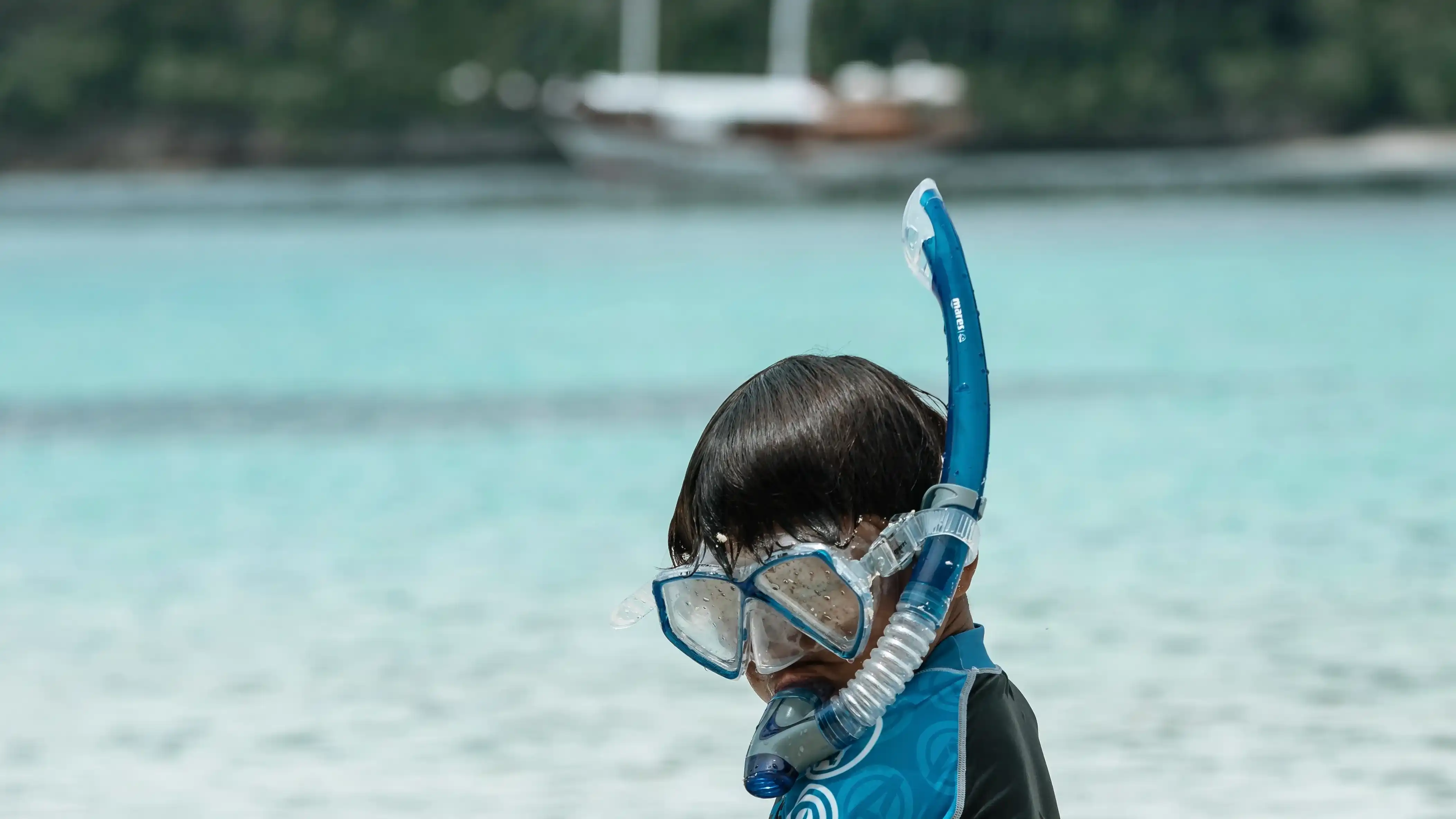
Most island‑hopping boats can provide basic snorkel gear, but the quality and fit vary. For comfort and hygiene, we strongly recommend bringing at least your own mask and snorkel if you care about your experience.

Gear: rent vs bring

Mask & snorkel
Often included in private‑boat quotes; quality ranges from fine to leaky. Bring your own if you snorkel regularly or are particular about fit.
Fins
Sometimes provided, sometimes not; sizing can be limited. Fins help in mild currents and make swimming more efficient, but are not essential in very shallow, calm spots.
Lifejacket
Standard on reputable boats. Essential for non‑swimmers and useful for long floats.
Rash guard / swim shirt
Highly recommended for sun protection: UV can be intense in Belitung’s dry months.
Reef‑safe sunscreen
Use mineral or reef‑conscious formulas and apply at least 20 minutes before entering the water to minimize impact.

Practical packing list for a Belitung snorkel day

  • Light long‑sleeve rash guard or surf tee.
  • Swim leggings or boardshorts.
  • Hat and sunglasses for boat time.
  • Waterproof bag for phone, wallet, and camera.
  • Quick‑dry towel or sarong.
  • Drinking water (some boats include it, but don’t rely solely on that).
  • Small dry snacks if you get hungry between lunch and return.
  • Anti‑fog solution or baby shampoo if you’re particular about mask clarity.

If you’d like, our team can help coordinate with a vetted boat partner so that fins and higher‑quality masks are ready on board. We’re not the operator and don’t store the equipment ourselves; we simply confirm your preferences ahead of time with the partner that best matches your group.

Combining snorkeling with island‑hopping

In Belitung, snorkeling is rarely a standalone product; it’s woven into classic island‑hopping days. That’s good news: you’re not stuck on a boat just to chase reef spots.

A typical day might include:

  • Granite‑boulder beach time on a small island (photos, short walks).
  • Two or three separate snorkel sessions of 20–45 minutes.
  • Sandbar or tidal‑pool exploring, depending on tide.
  • Simple grilled‑seafood lunch on an island warung.
  • Lighthouse climb on Lengkuas, if open and conditions allow.

If you’re planning your overall trip, see also our guides to Lengkuas Island, Belitung island hopping, and broader things to do in Belitung for context on how snorkeling fits into the bigger picture.

How much of the day is actually in the water?

Depending on your preferences and sea conditions:

  • Total water time: ~1–2.5 hours across multiple dips.
  • Boat cruising + island time: the rest of the 5–7 hour window.

If your priority is maximum snorkeling, say so upfront. A good guide can:

  • Limit long photo stops on sandbars.
  • Plan a slightly earlier departure to enjoy calmer morning water.
  • Extend time at the most sheltered reef site of the day.

If you’d like help designing a day that balances island‑hopping and snorkeling for your specific group, you can plan your trip with us and we’ll coordinate the right partner via WhatsApp, voice or email.

Best season and daily conditions for Belitung snorkeling

Belitung has a tropical climate with relatively small temperature swings but clear seasonal patterns that affect snorkeling visibility and comfort.

Seasonal rhythm

Broadly:

  • Drier, calmer period: roughly April to October.
  • Wetter, windier months: roughly November to March, with January often the rainiest.

Conditions can vary year‑to‑year, but in general:

  • April–June: Often a sweet spot: improving visibility, lush landscapes, moderate crowds.
  • July–August: Popular holiday window; more boats out, but long sunny spells. Some windier days can roughen offshore spots.
  • September–October: Typically good underwater clarity; slightly fewer visitors than peak holidays.
  • November–March: Higher chance of rain, squalls and choppy seas; some days still workable, others best skipped or limited to very sheltered areas.

For a fuller climate overview including non‑snorkeling considerations, see our dedicated guide to the best time to visit Belitung.

Visibility and sea state

What you experience on any given day is shaped by:

  • Wind: Stronger winds stir up sediment and create surface chop, reducing comfort and visibility.
  • Rain runoff: After heavy rain, near‑shore water can be murkier for a time, though the offshore islets often stay clearer.
  • Tide: Certain spots are more enjoyable at mid‑tide; extreme low tides can expose coral and limit boat access.

On a very good dry‑season day, you might enjoy:

  • Visibility: 10–20 m.
  • Gentle rocking on the boat, easy entries and exits.

On more average days:

  • Visibility: 5–10 m — good enough for relaxed fish and coral viewing, but not “glass‑clear.”
  • Some surface chop, especially in the afternoon if wind picks up.

Our honest advice: treat “perfectly clear water” photos as one end of a spectrum, not a guaranteed baseline. Your concierge or partner operator should check forecasts and be candid if your chosen day is likely to be rougher.

Time of day

Morning departures often offer:

  • Calmer seas before daytime heating builds wind.
  • Softer light for photos on islands and in shallow water.

Afternoon light can be beautiful as well, but if you’re prone to seasickness, an earlier start is usually wiser.

How booking works: curated partners, by‑quote pricing

Belitung Villa is a concierge‑style guide, not a boat operator. We don’t run our own vessels or push a single company’s inventory. Instead, we maintain a short list of partners that consistently:

  • Use properly licensed boats.
  • Carry lifejackets and basic safety equipment.
  • Are transparent about what’s included and what’s not.
  • Respect island etiquette (no coral collecting, minimal single‑use plastic).

What a Belitung snorkel trip usually costs

Pricing depends on boat size, level of comfort, private vs shared, and inclusions (lunch, gear, etc.). As a ballpark, last verified June 2026:

  • Shared island‑hopping + snorkeling day boat (simple wooden boat, mixed group, basic gear): often starts in the low to mid hundreds of thousands of rupiah per person (roughly IDR 250,000–450,000).
  • Private boat for 2–6 guests (more schedule flexibility, custom pace): typically in the low millions of rupiah per boat for the day (commonly around IDR 1,500,000–3,500,000+ depending on season and spec).
  • Upgraded setups with more comfortable seating, better gear, or extra hours: priced upward from those ranges by quote.

Exact numbers change with fuel costs, seasonal demand and what you want included. No one can pay to change what we publish; if you proceed with our partner they may pay us a referral fee at no extra cost to you.

How we actually help you plan

If you contact us, here’s what we’ll usually ask before recommending a partner:

  • Your dates and flexibility (for better‑condition days).
  • How many people and the mix of swimmers/non‑swimmers.
  • How important snorkeling is vs. sandbars, photos, or just relaxing aboard.
  • Any mobility concerns or strong preferences (shade on boat, early start, no shared groups, etc.).

From there, we:

  1. Suggest the type of boat and rough budget range that makes sense.
  2. Connect you with a vetted local partner and help you refine the day’s structure.
  3. Make sure snorkel stops are factored in thoughtfully, not just as rushed add‑ons.

If you’d like to start that conversation now, you can plan your trip with us or reach out directly via WhatsApp on +62 811 3823 875 or email at sales@komodoluxury.com (subject: “Belitung snorkeling day”). We’ll keep it straightforward and honest.

Safety, etiquette and realistic expectations

Belitung’s waters are generally forgiving, but a little preparation — and a few boundaries — go a long way.

Water safety basics

  • Lifejacket use: Mandatory for non‑swimmers; strongly advised for nervous guests or kids.
  • Stay within guide sight: Especially at mid‑channel reef stops where there’s no nearby shore.
  • Boat movements: Never swim behind the boat when the engine is on or being started; follow boarding instructions.
  • Weather calls: If your operator suggests shortening or rescheduling due to weather, treat it as care, not over‑caution.

Coral and marine‑life respect

  • No touching or standing on coral, even if it looks like rock — broken coral takes years to regrow.
  • No fish feeding; it disrupts natural behavior and can draw aggressive individuals.
  • Avoid collecting shells or starfish; leave them in the ecosystem.
  • Use reef‑friendly sunscreen and let it absorb before entering the water.

Wildlife is just that — wild. Turtles, rays, and larger fish appear on their own terms. No serious operator will guarantee them, and “guarantees” are a red flag.

Is Belitung snorkeling for you?

You’ll likely be happy with a Belitung snorkel day if:

  • You enjoy calm tropical water and value ease over adrenaline.
  • You’re excited by the overall seascape — granite boulders, sandbars, turquoise channels — as much as the reef itself.
  • You’re comfortable with an honest, by‑conditions approach to the day, not a scripted checklist.

You might want to re‑anchor expectations or focus your energy elsewhere if:

  • You’re chasing the most intense coral biodiversity in Indonesia.
  • You need assured “glass‑clear” conditions for photography on fixed dates.
  • Your group has very mixed comfort levels and no interest in lifejackets or following in‑water guidance.

If you’d like an unhurried, curated belitung snorkeling day built around your group’s actual needs, you can plan your trip with us or message via WhatsApp on +62 811 3823 875. We’ll help you match your expectations to the right guide, tide, and route — and be candid if the day you’re eyeing is better spent on other things to do in Belitung instead.

FAQs: Belitung snorkeling around Lengkuas

Is Belitung snorkeling suitable for non-swimmers?

Yes, with caveats. Non-swimmers can still enjoy Belitung snorkeling using lifejackets and staying close to the boat in calm, shallow spots near the granite islets or around Lengkuas. You should be comfortable floating in a lifejacket and listening to guide instructions. For complete non-swimmers, we suggest shorter water sessions and more island time.

Do I need to bring my own snorkel gear to Belitung?

You don’t have to, but it improves the experience. Most island-hopping boats can provide basic masks, snorkels and sometimes fins, but fit and condition vary. If you snorkel regularly or care about hygiene and comfort, bring your own mask and snorkel and use boat gear only as backup.

What months are best for Belitung snorkeling visibility?

Visibility is often best during the drier period from around April to October, with April–June and September–October frequently offering a good balance of clear water and manageable crowds. Even in these months, specific days can be windier or murkier; forecasts and recent conditions matter more than the calendar alone.

Can children join a Belitung snorkel trip?

Yes, many families take children on Belitung snorkel and island-hopping days. Calm, shallow snorkel spots near granite islets are ideal for supervised kids with lifejackets. Choose a private or small-group boat so the pace can adjust to children’s comfort, and plan for shade, snacks and breaks on the islands.

How long is the boat ride to Lengkuas Island for snorkeling?

From Tanjung Kelayang beach, the boat ride to the Lengkuas area usually takes around 30–45 minutes depending on sea conditions and whether you stop at other islets along the way. Many itineraries break this into shorter hops with swim and photo stops rather than a single continuous run.

Plan Your Stay
WhatsAppPlan Your Stay