Best Time to Visit Belitung: Weather & Season Guide
Honest guide to the best time to visit Belitung, with dry vs wet season, sea conditions, villa-planning tips and real-world trade-offs.
The best time to visit Belitung for reliable island-hopping and clear-water snorkeling is the drier period from roughly April to October, when seas are usually calmer and visibility improves. You can visit year‑round, but understanding Belitung weather and sea conditions will help you time your villa stay to what you actually want to do.
Chapter 01
Quick answer: Best time to visit Belitung at a glance
If you just need the short version before you scroll:
Overall best time to visit Belitung
April–October (drier season with generally calmer seas and clearer water)
Best for island-hopping & sandbanks
May–September, especially on clear, low-wind days
Best for snorkeling visibility
June–September, when runoff is typically lower and seas can be clearer
Quietest months with decent weather
Late April–early June, and late September–October (shoulder periods)
Wetter / more rain
Roughly November–March, with some days of rougher sea conditions
Sea temperature (approx.)
Usually around the high-20s °C year‑round (swimmable all year)
Belitung has a warm tropical climate all year: you’re choosing between drier vs wetter months, calmer vs choppier seas, and busier vs quieter beaches—not between “on” and “off” seasons.
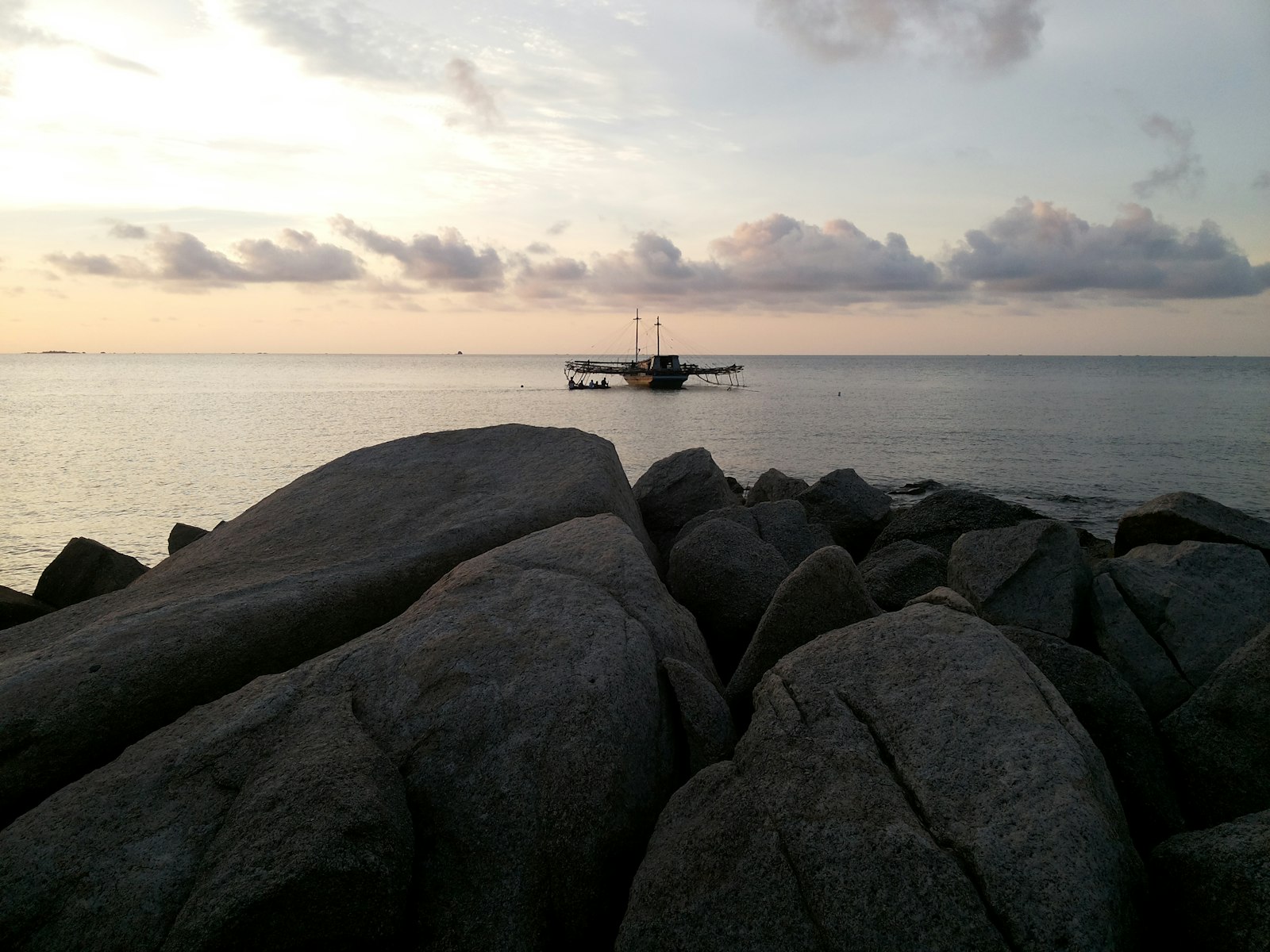
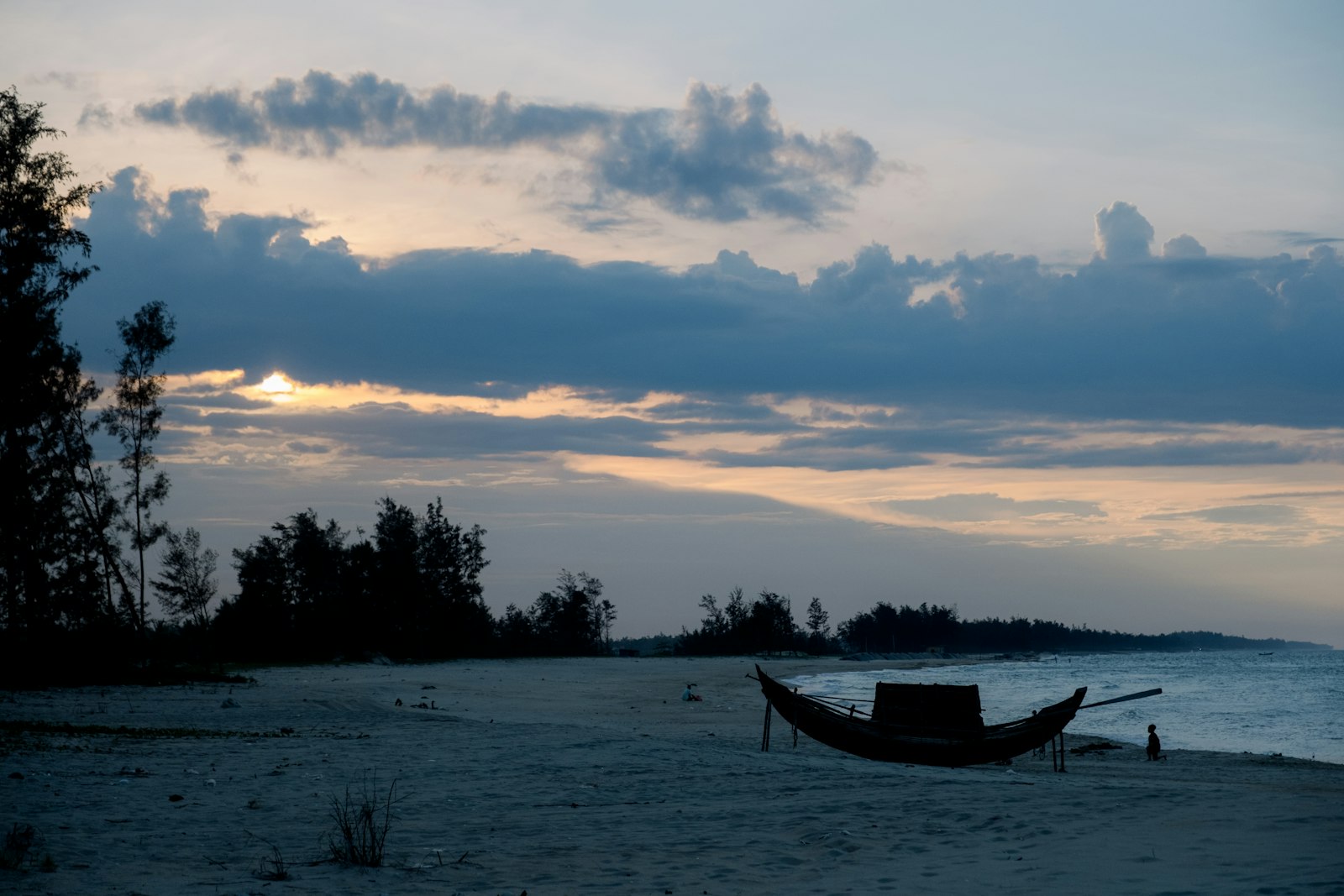
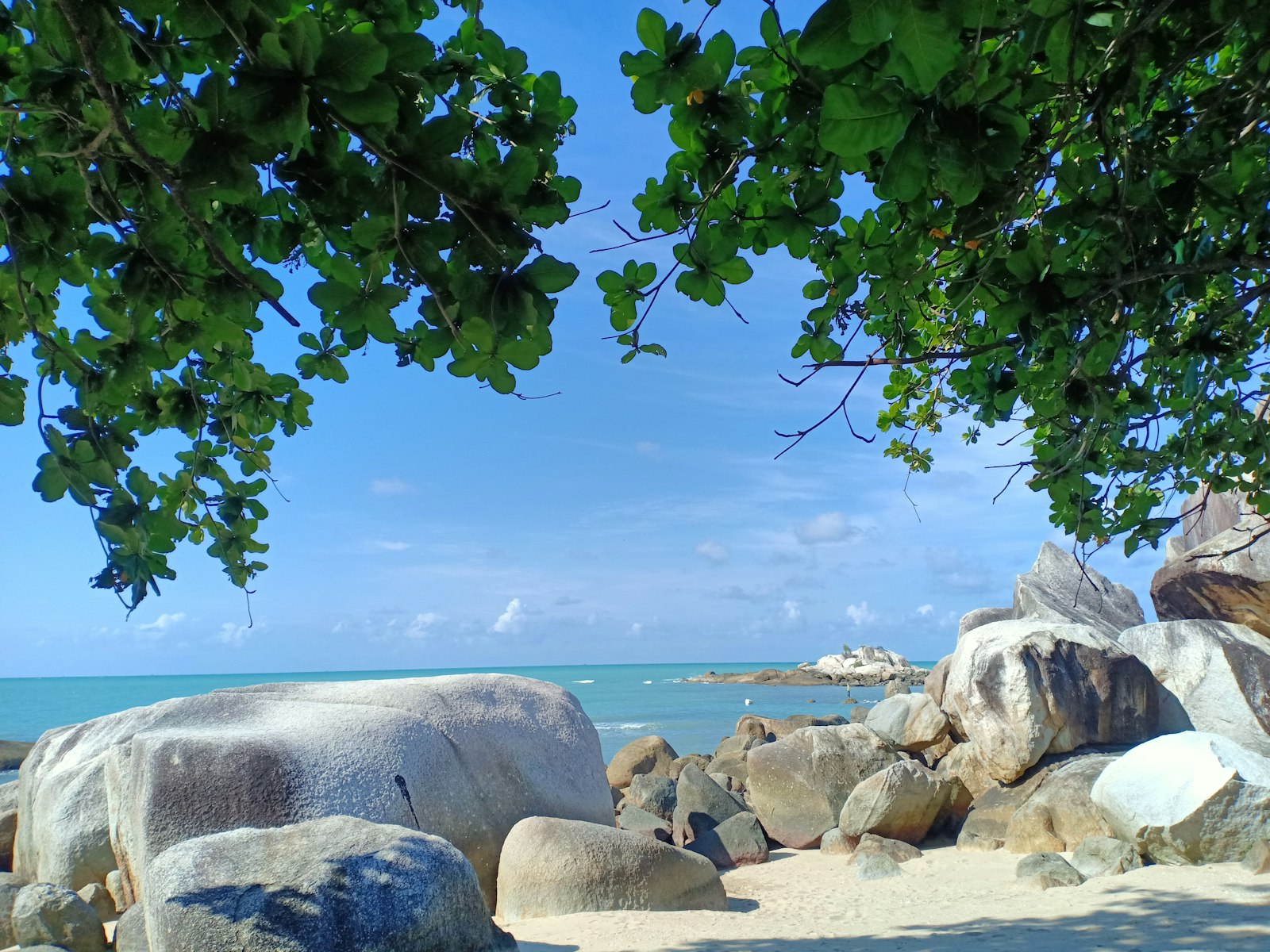
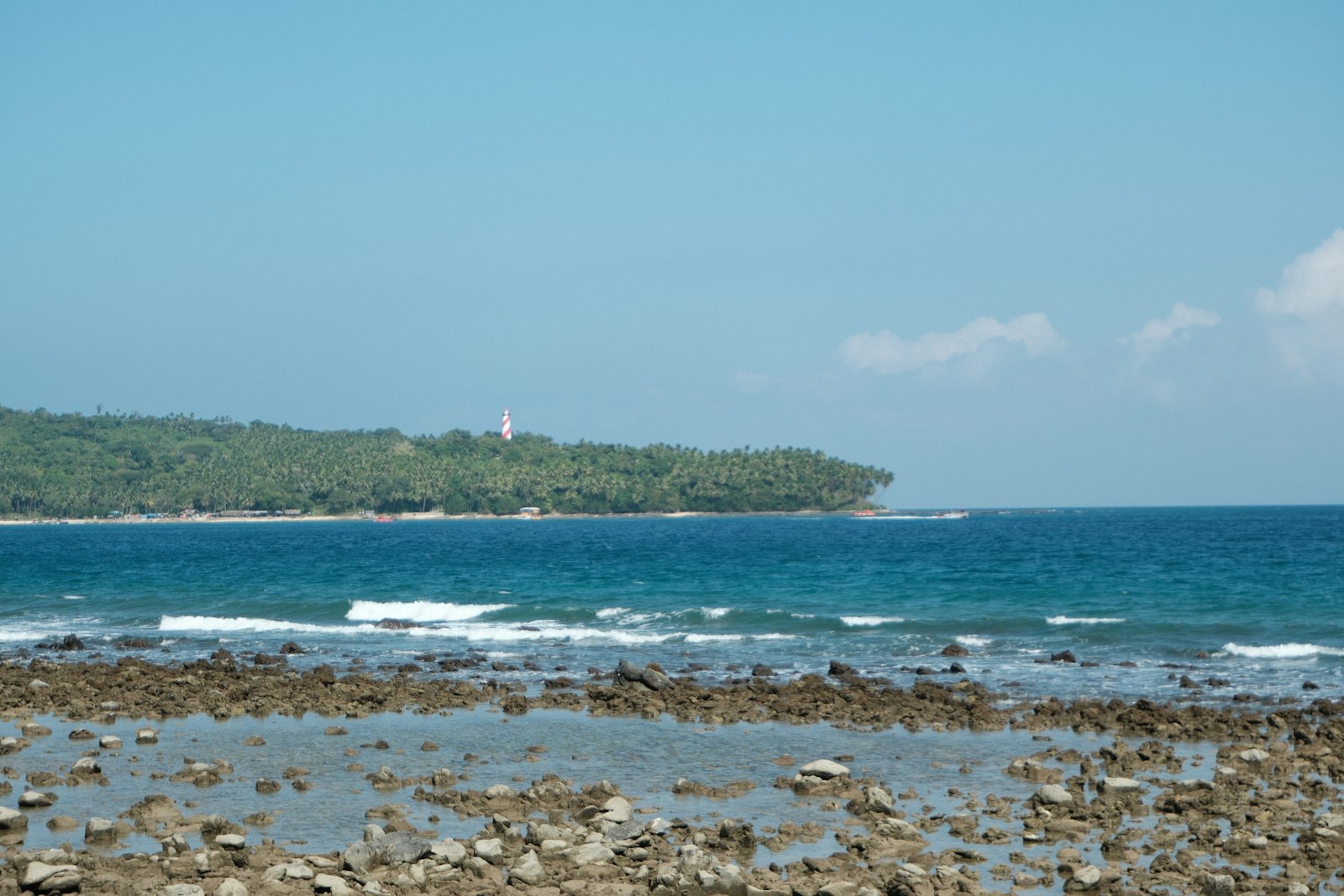
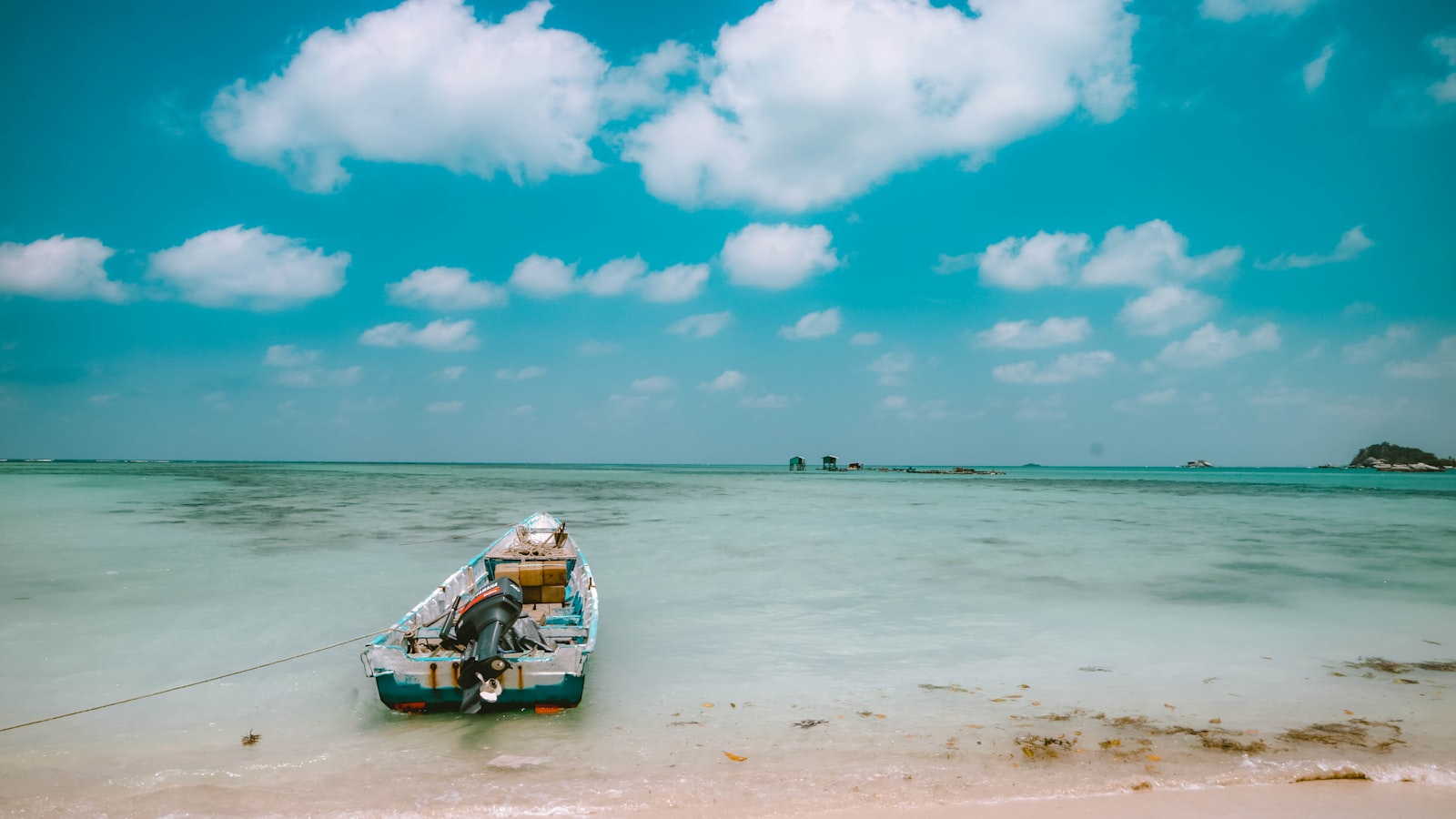
01Dusk over the boulders, with a boat waiting offshore.
Chapter 02
Belitung’s seasons explained: Dry, wet & what they actually feel like
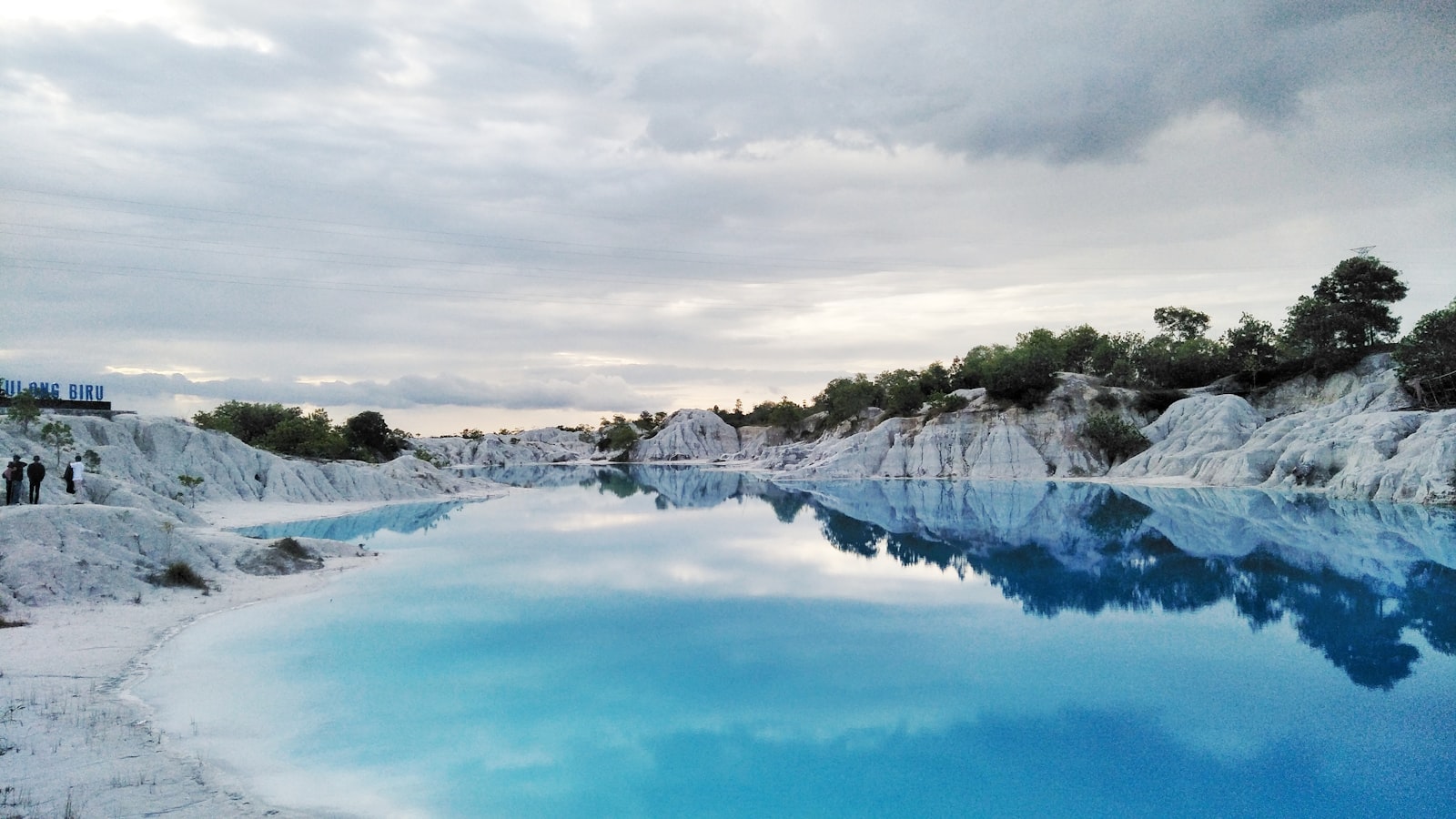
02The kaolin lakes inland — white banks, unreal blue water.
01
Two main Belitung seasons, not four
Rather than four distinct seasons, Belitung has two broad patterns:
Drier season
approximately April–October
Wetter season
approximately November–March
These are not hard borders. Tropical systems shift a little each year, and some months can be transitional. Use these as planning bands, not as rigid rules.
02
The drier season (April–October)
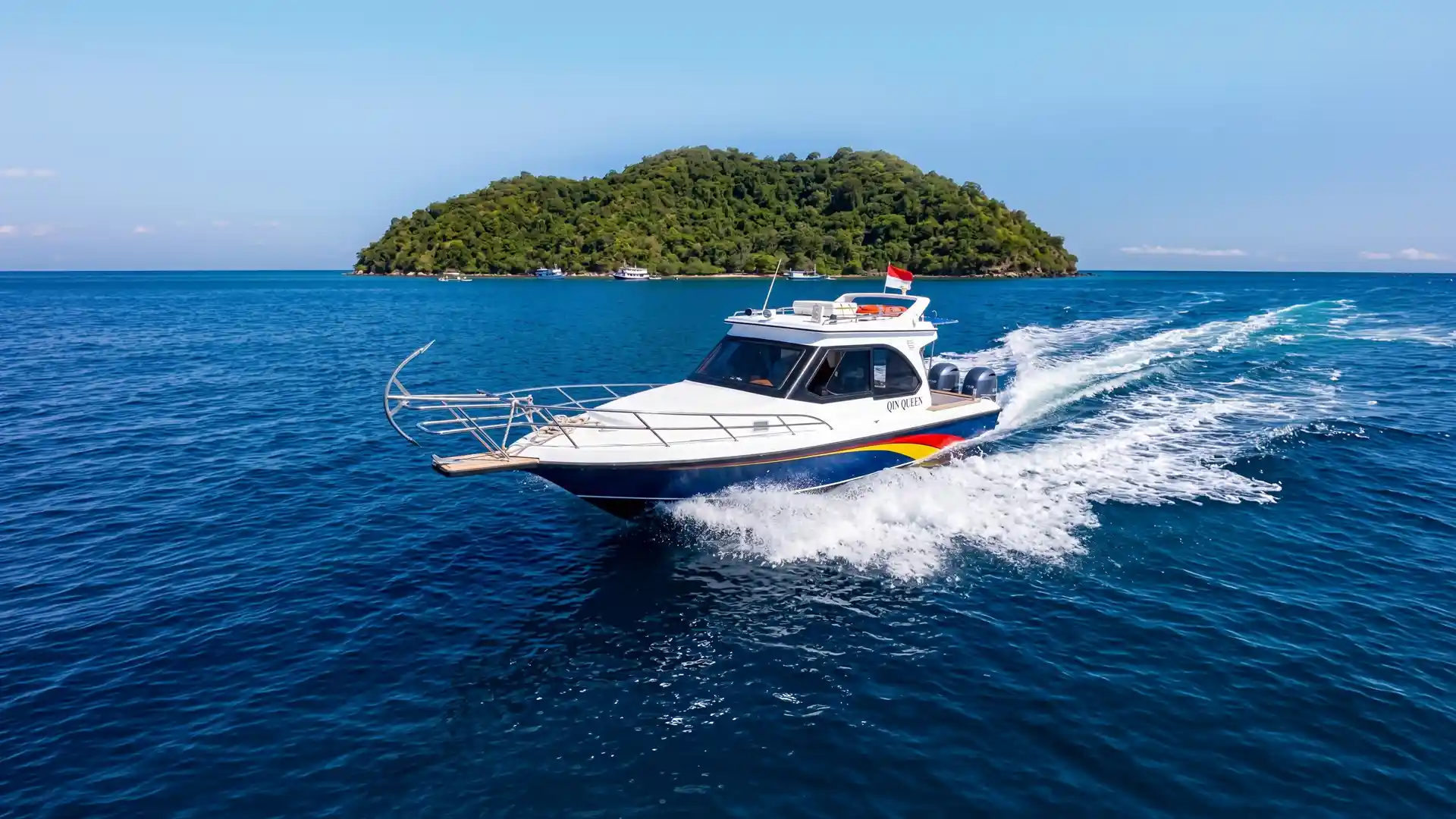
Private charters let you set the departure time.
During the drier season, Belitung weather typically brings:
Lower overall rainfall
than in the wetter months
More stable windows of sunshine,
especially from May to September
Generally calmer seas
around popular island-hopping launch points such as Tanjung Kelayang
Humidity is still high—it’s the tropics—but you tend to get more dependable dry days, which helps a lot if your main goal is to be out on the water.
03
The wetter season (November–March)
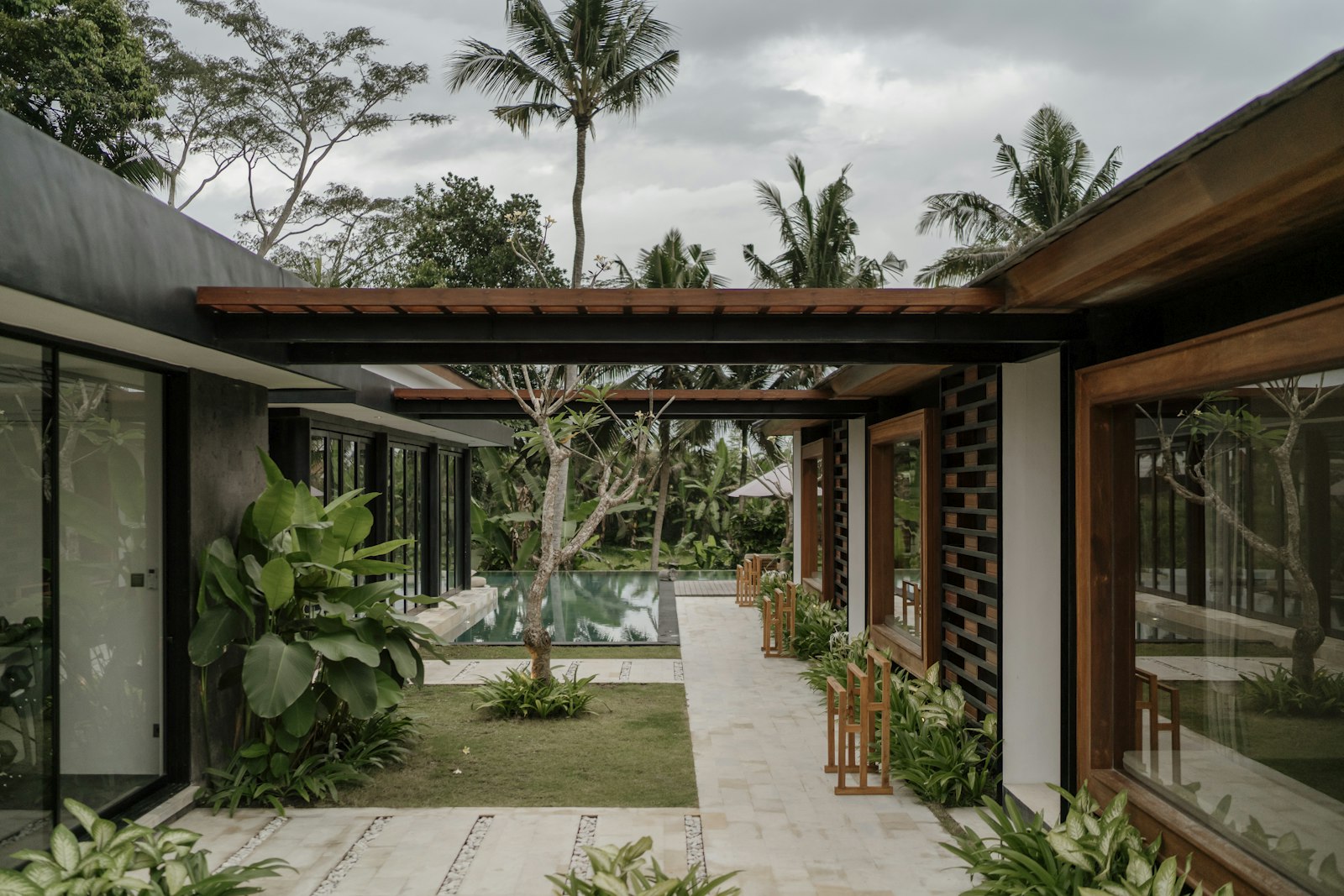
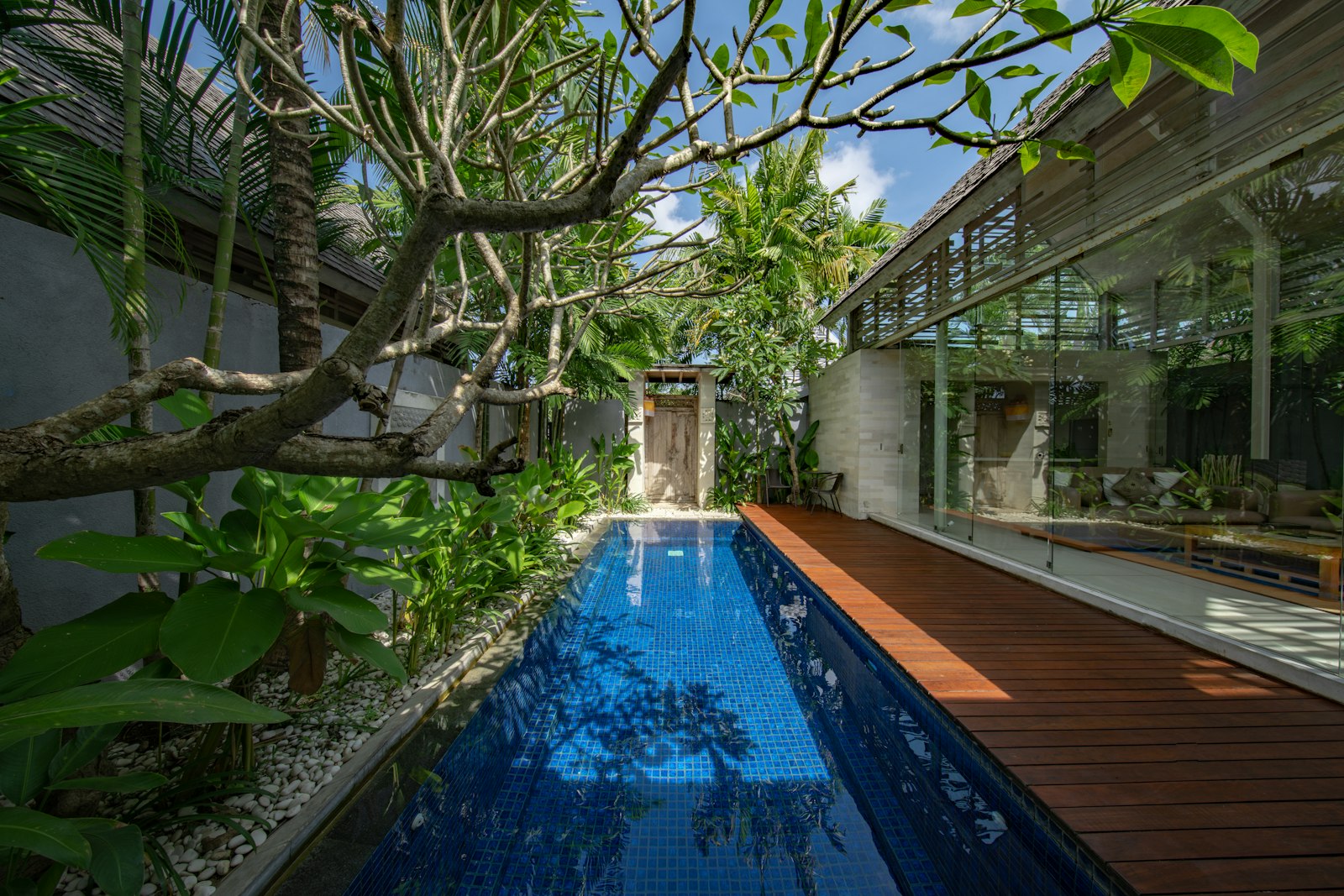
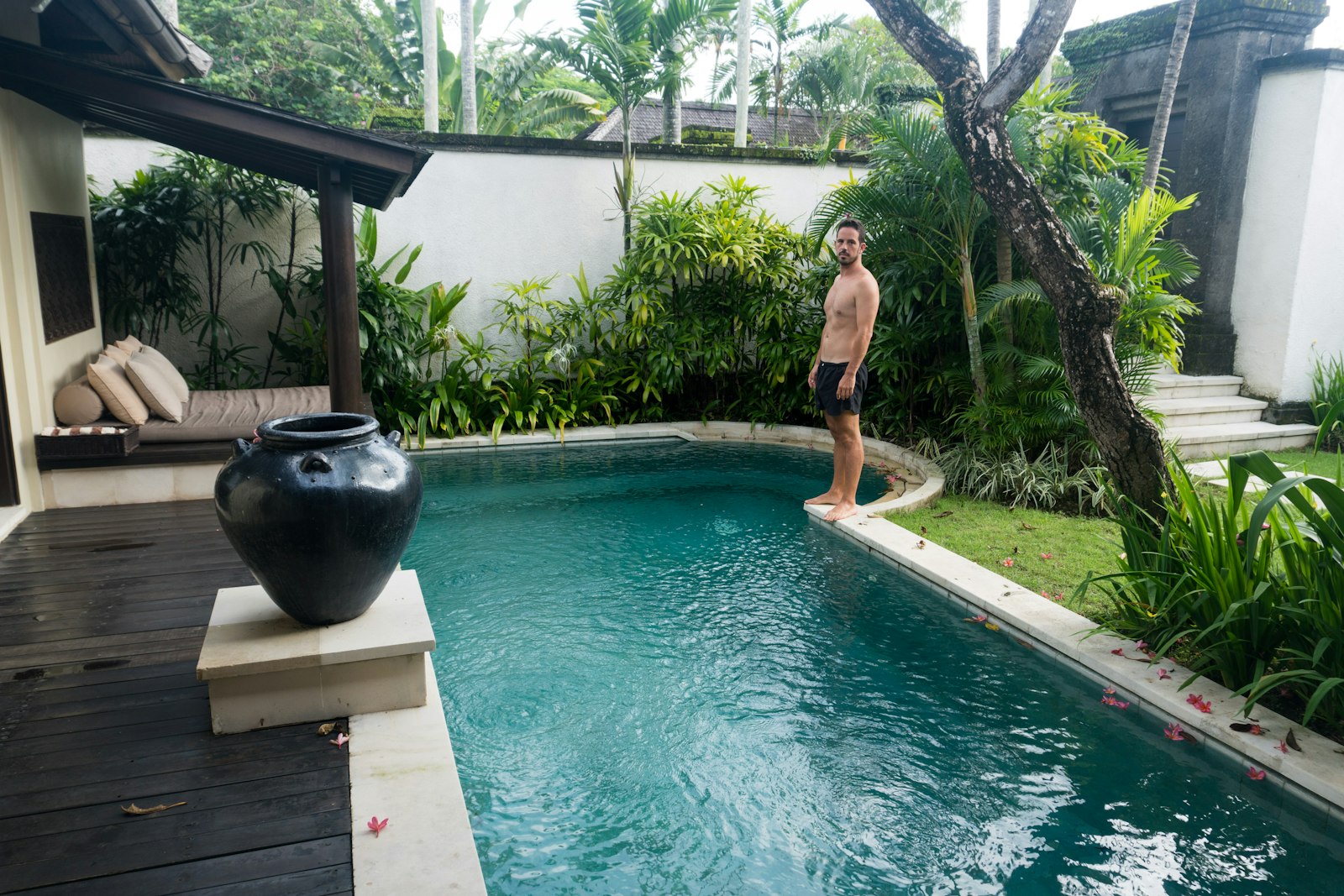
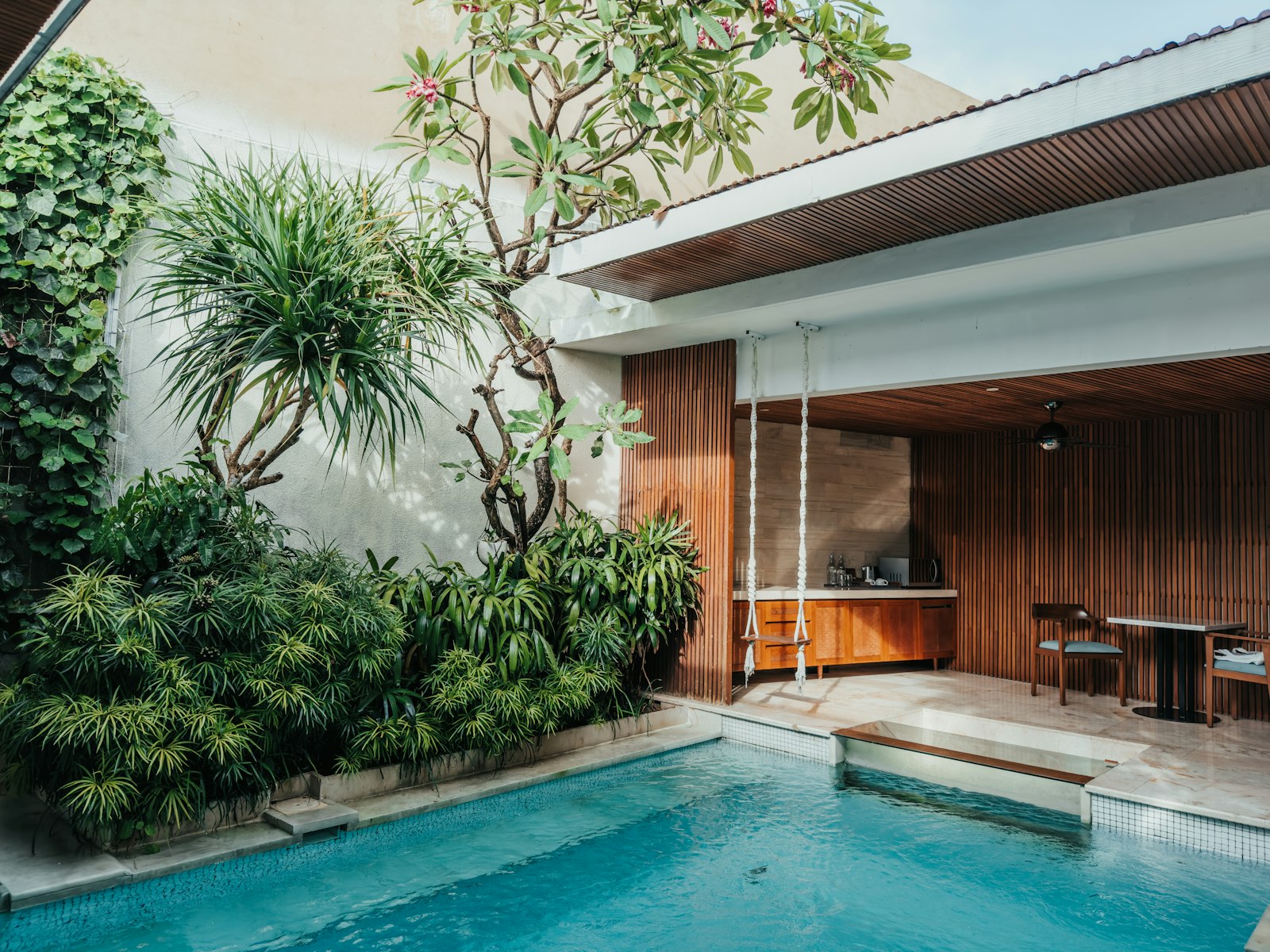
A long pool set into the garden of a beachfront villa.
The wetter season usually means:
More frequent showers
, sometimes heavy tropical downpours
Cloudier skies
punctuated by clear patches
Occasional rougher seas,
especially on windy days
You can still have beautiful days during these months, but conditions for long boat trips and glassy-water snorkeling are less predictable. Some island-hopping routes may be shortened or postponed based on sea conditions.
04
Temperature: Warm year‑round
One thing you don’t have to stress about is cold. Belitung sits near the Equator, so air and sea temperatures tend to stay warm throughout the year. You can swim any month; the real differences are wind, waves, rainfall, and visibility.
Chapter 03
Why the drier months suit boats, sandbanks & snorkeling
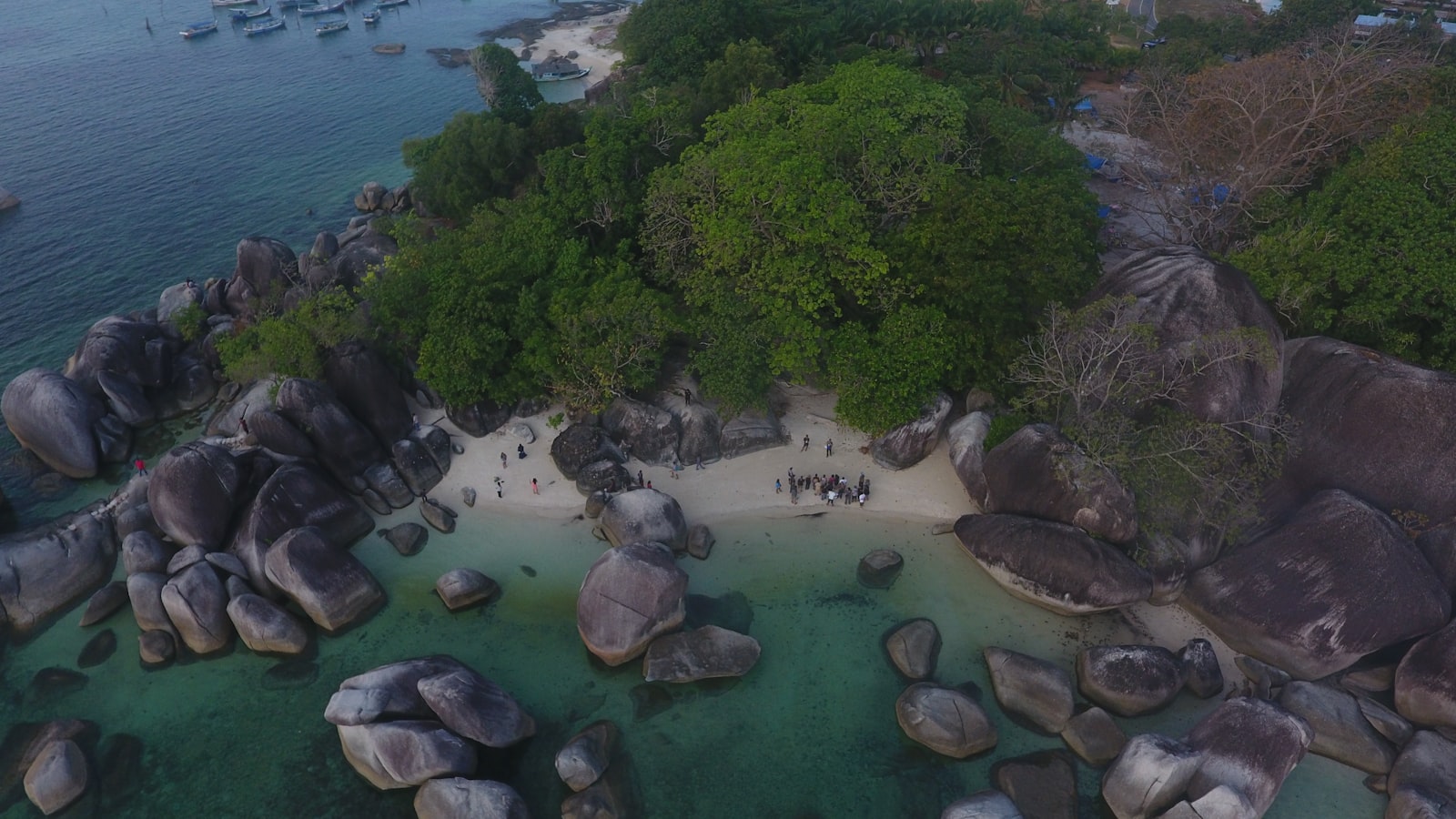
Belitung’s signature experiences—the white-sand islands off Tanjung Kelayang, the granite boulders of Lengkuas, the sandbanks that appear at low tide—depend heavily on the sea being cooperative. That’s why the drier Belitung season is usually the most practical time to visit if island-hopping is your priority.
03Shade indoors, glare outside — plan the middle of the day.
01
Island-hopping: Why sea conditions matter more than rain
Sea on one side, road on the other — that is the whole coast.
Most Belitung island-hopping trips start from Tanjung Kelayang on the northwest coast. From there, small boats shuttle guests to nearby islands and sandbars. Operators decide daily based on wave height, wind, and visibility whether it’s safe and comfortable to run.
This is the detail many glossy brochures gloss over: a brief rain shower doesn’t necessarily cancel trips, but choppy seas and strong wind can—or they can turn a dreamy day into a very wet, bumpy one.
In the drier season, you typically get:
More days with manageable waves
for smaller island-hopping boats
Less suspended sediment
stirred up by storms, which can help underwater clarity
Easier beach landings
on smaller sandbanks and islets
Even then, there is no guarantee: any given day can be windy or stormy. Use seasonal patterns as a probability guide, not a promise.
02
Water clarity & snorkeling around Lengkuas Island
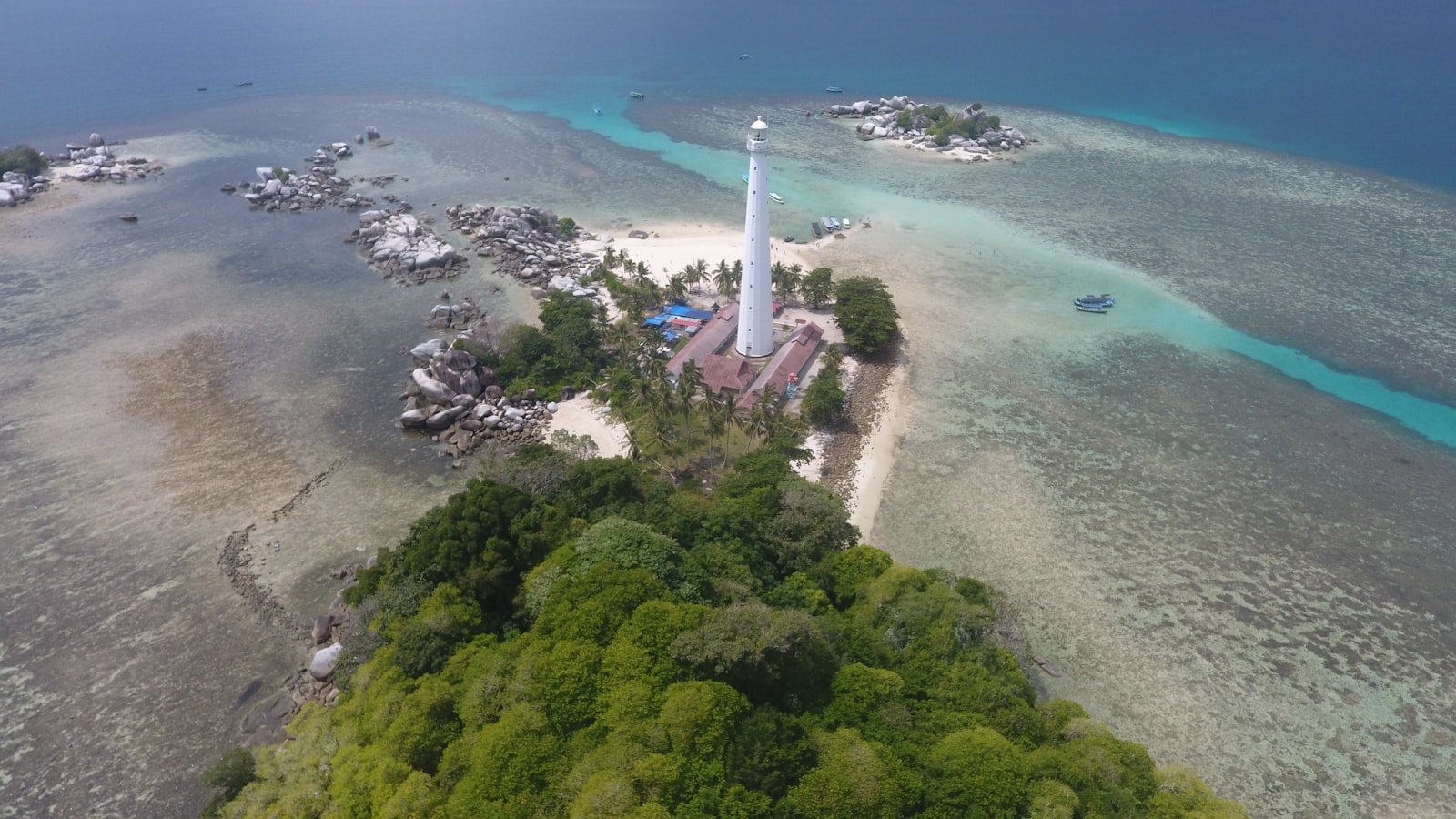
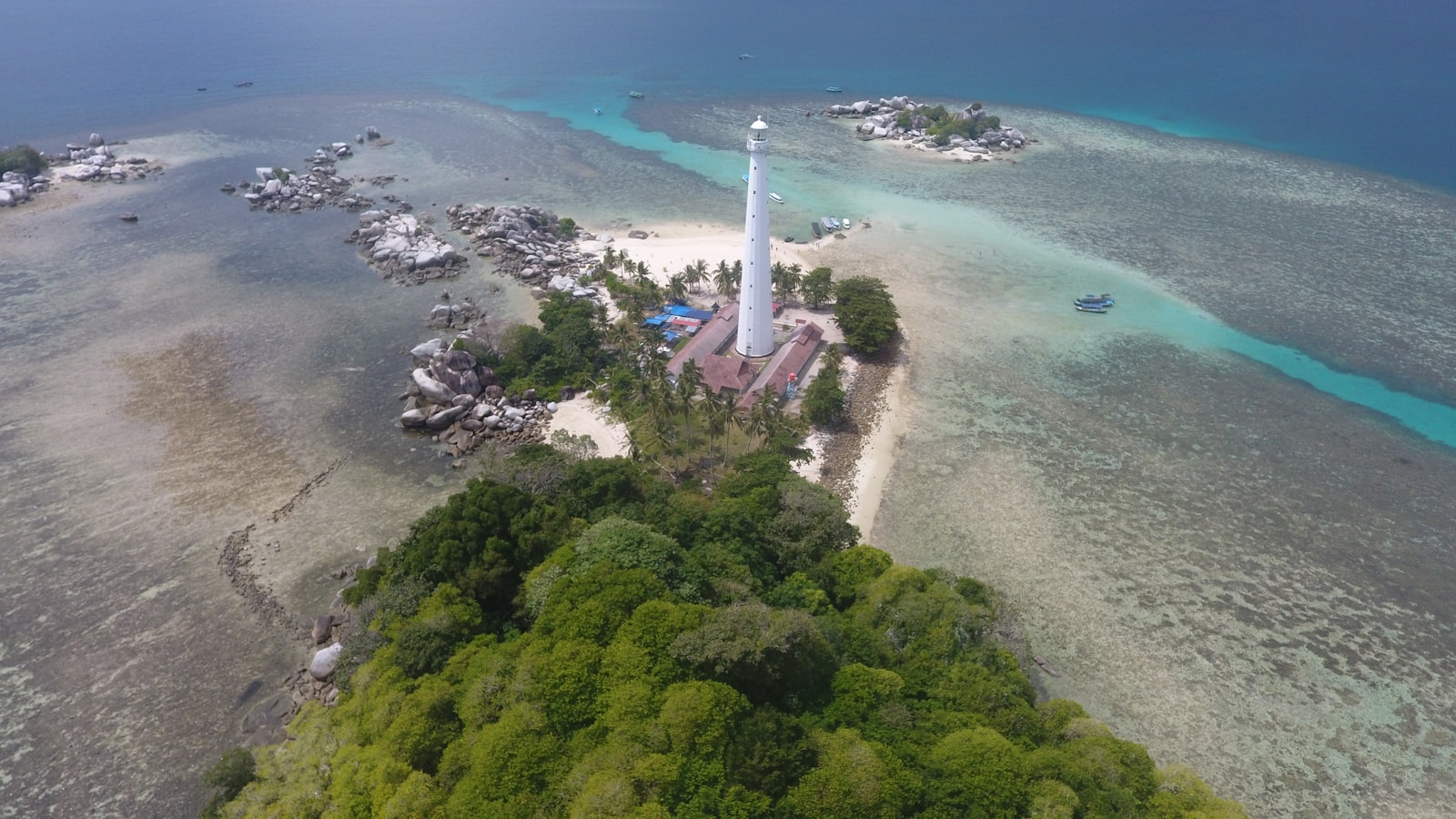
Lengkuas Island and its Dutch-era lighthouse from the air.
Snorkeling around Lengkuas Island is one of Belitung’s headline experiences. Coral patches, fish life, and shallow clear water create those classic turquoise scenes—when visibility plays along.
In general
Drier months (roughly June–September)
tend to bring clearer water, because there is usually less runoff from the islands and fewer stormy days stirring up sand.
Immediately after heavy rain
, visibility can drop as sediment and organic material wash into the sea.
Guides will typically choose snorkeling spots on the day based on clarity and safety. If you’re sensitive to conditions, staying at least two or three nights so you have multiple windows for a boat day is wise.
03
Beach days & those white sandbanks
The postcard photos of Belitung—large granite boulders, milky white shallows, sandbars that emerge at low tide—are all influenced by light and tide. You want:
Sun overhead
to get that pale turquoise water colour
Lower wind
so the sea surface stays calmer and clearer
Timing around low tide
for the widest sandbanks
Drier months tilt the odds in your favour. Your boat crew will usually plan island-hopping around the day’s tide chart, but the bigger picture is still seasonal. In the wetter months, you may still see the sandbanks; you just have to be more flexible on which day looks best.
Chapter 04
Month-by-month: Belitung season overview
Exact Belitung weather varies year by year, but this table gives a practical overview by month based on typical patterns—not a guarantee.
04A boat pulled up for the night.
Month
Rain tendency
Sea & island-hopping
Travel feel
January
Wetter; frequent showers
Some rough or windy days; trips can be limited
Quieter; good for relaxed villa time if you accept rain
February
Still in wetter pattern
Conditions variable; need flexibility on boat days
Low crowds, more local atmosphere
March
Transition in some years
Mix of rainy and improving days
Can work for longer stays with buffer days
April
Entering drier season
Island-hopping reliability improving
Nice shoulder month, usually without peak-season feel
May
Generally drier
Many good windows for boats & snorkeling
Great balance of conditions and manageable crowds
June
Drier; sunny spells
Often good clarity for Lengkuas snorkeling
Popular for school holidays; pre-book core experiences
July
Drier but can be breezy
Mostly workable seas; odd windy patches
Busier at main beaches; villas book ahead
August
Still relatively dry
High chance of workable boat days
Classic “summer” feel for island time
September
Dry to moderate
Good blend of visibility & sea state
Lovely for couples and quieter escapes
October
Can be mixed; some rain
Mostly fine with occasional stormy spells
Shoulder season; good compromise month
November
Rain increasing
More weather-related changes to boat plans
Less crowded; more indoor/culinary time
December
Wetter, especially later in month
Choppier days possible; need flexibility
Festive period but not peak like some other islands
Treat this as a qualitative guide. For any specific trip, you’ll still want to check updated forecasts and local sea reports closer to your travel dates.
Chapter 05
Shoulder months, crowds & pricing: Trade‑offs to know
05Boulders the size of houses, right at the waterline.
01
Why shoulder season can be the sweet spot
The lighthouse island and its reef from above.
If your dates are flexible, the shoulder periods at the edges of the drier season can be ideal:
Late April–early June
Late September–October
These windows often combine:
Decent odds of calmer seas and sunshine
Fewer day‑trippers at Tanjung Tinggi and Tanjung Kelayang
Better choice of villas and rooms compared with school holiday peaks
Weather can be a touch more variable than, say, mid‑July—but many travellers feel the trade‑off is worth it for less crowd pressure.
02
How busy does Belitung actually get?
Belitung is still far quieter than Indonesia’s most famous beach destinations. That said, you’ll notice patterns:
Long weekends & national holidays
Domestic travel picks up; popular photo spots can feel busy.
School holidays
Families fill more beach resorts; private villas may book earlier.
Midweek outside holiday periods
Often pleasantly quiet even in drier months.
If you like your beaches near-empty, a midweek stay in the shoulder months is your best bet.
03
Typical pricing ranges by season (last verified June 2026)
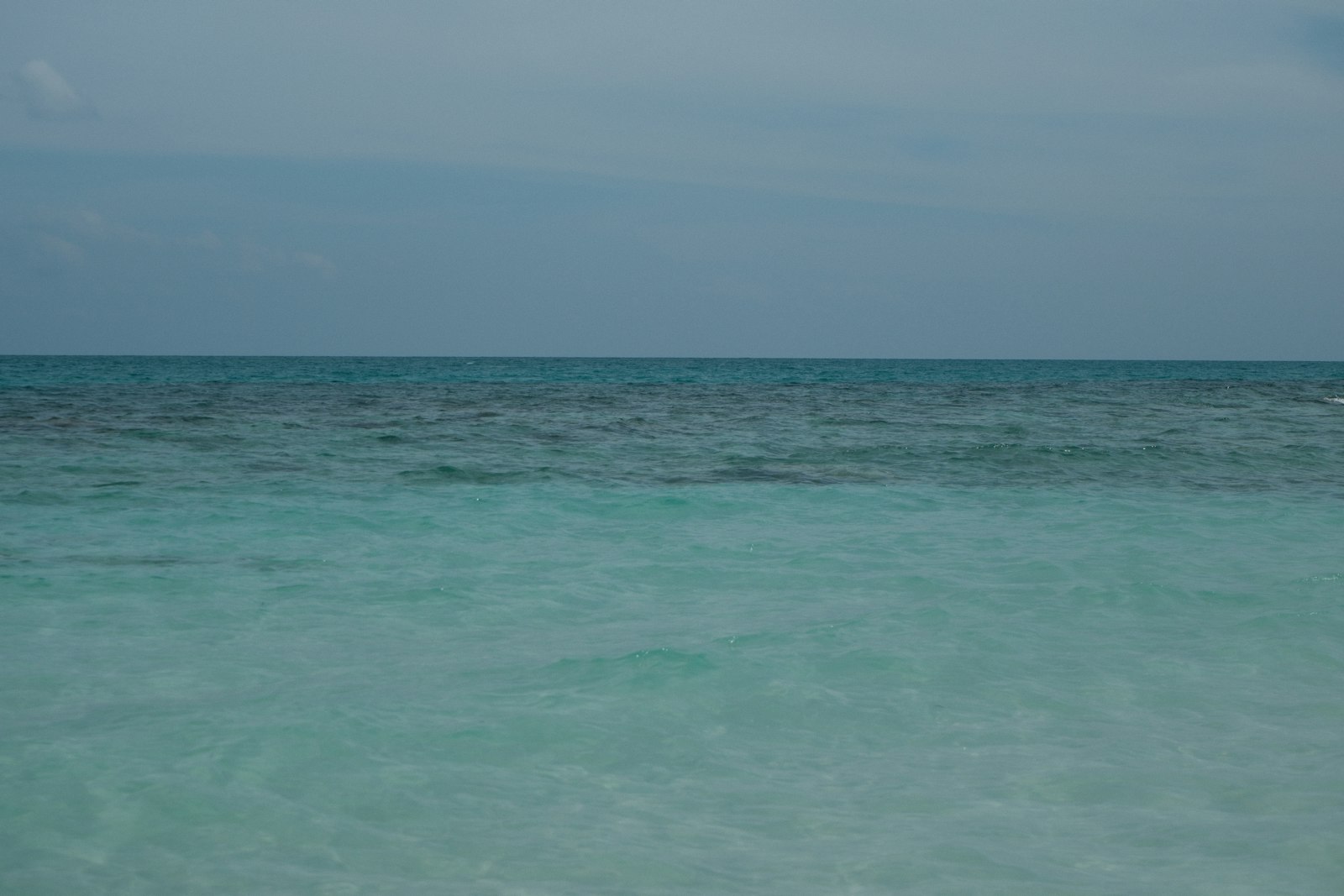
Calm, clear water — the reason people come back.
Exact rates fluctuate by property, demand, and how far ahead you book, but as a broad orientation for Belitung accommodation:
Private pool villas / high-end suites
often from around IDR 2.5–5 million per night and up in popular drier months; some drop into the IDR 1.8–3 million band in quieter or wetter periods.
Midrange beachfront resorts
commonly from about IDR 900,000–2 million per night, depending on room type and season.
Simple guesthouses & non‑beach hotels
sometimes as low as IDR 300,000–800,000 per night.
Most villas and quality resorts adjust pricing across low, shoulder, and peak periods rather than having one fixed rate. For updated, by‑date comparisons, you can plan your trip with our concierge team via WhatsApp at +62 811‑3941‑4563; no one can pay to change what we publish, and if you proceed with our partner they may pay us a referral fee at no extra cost to you.
Chapter 06
Planning your villa or resort stay around Belitung weather
06Pool days are half the point of a private villa.
01
If you’re booking a private villa
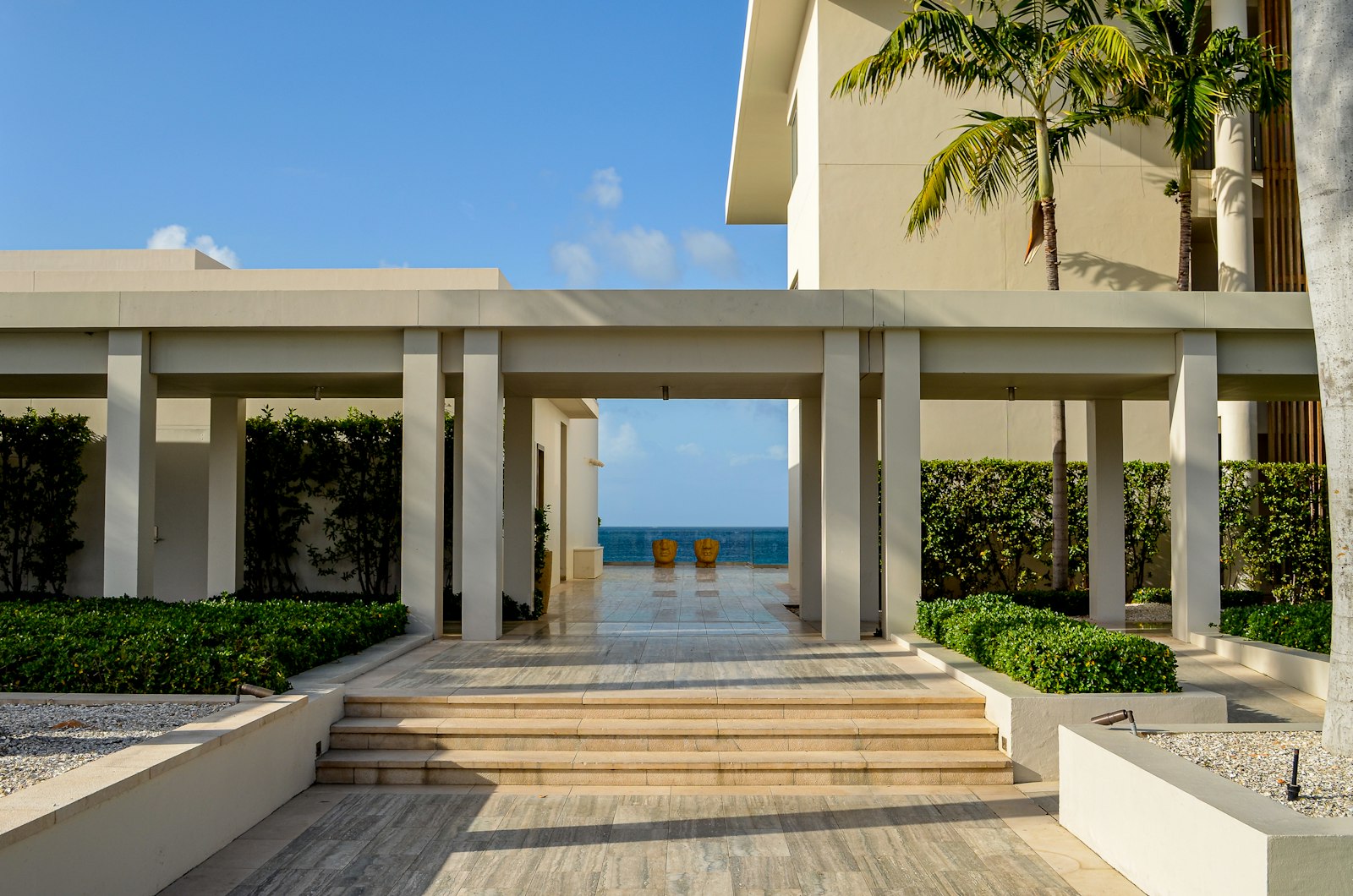
Clean lines, private pool, sea a short walk away.
Private villas work especially well in Belitung’s drier months because you’ll probably spend a lot of time around your own pool, walking down to the beach, or setting up long lunches outside.
Consider
Stay length
For villa stays where island-hopping is a key highlight, aim for at least 3–4 nights so you have flexibility to pick the best‑looking weather day for the boat.
Layout
If you’re travelling with a group, check for shaded outdoor areas and indoor living rooms that catch a breeze; humidity is high year‑round.
Backup plans
In wetter months, choose a villa with comfortable indoor space—good Wi‑Fi, games, and the option of private dining—so rain feels cosy instead of limiting.
02
If you’re booking a resort
Resorts can be forgiving in shoulder or wetter periods because they often have:
Multiple on-site dining options
Shared pools that stay fun even on cloudy days
Organised activities when sea conditions aren’t ideal
If your dates fall squarely in the wetter Belitung season and you value convenience over total privacy, a well-managed resort near Tanjung Kelayang or Tanjung Tinggi can be a safer all‑round choice than a very remote villa.
03
East vs west coast: Does it matter for season?
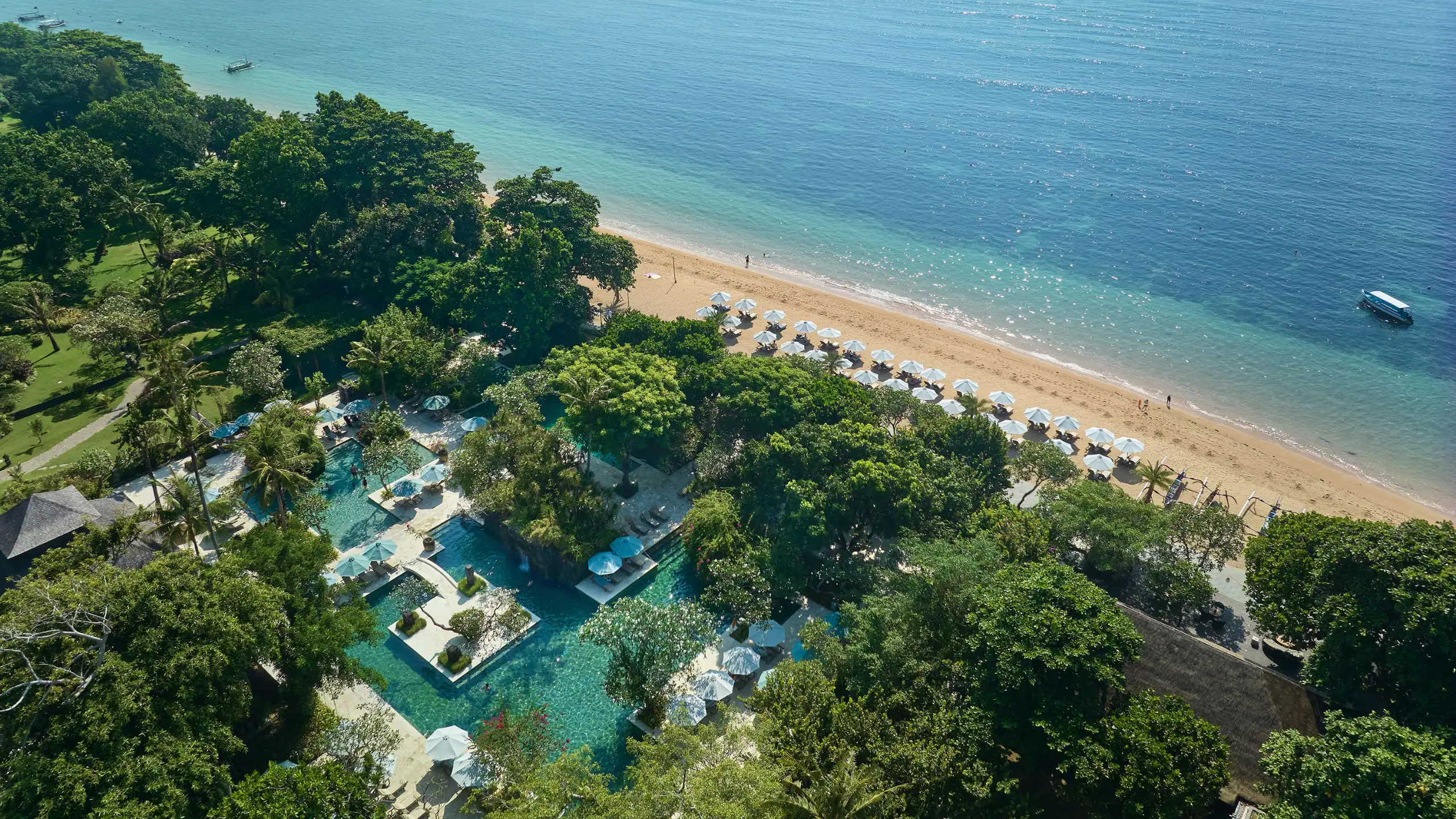
Resort grounds run down to the sand.
Belitung is compact enough that you can cross from the western beach hubs to the eastern side in a day, but most first‑time island‑hopping trips base themselves on the northwest coast around Tanjung Kelayang.
From a pure weather perspective, the difference across the island isn’t usually dramatic. What changes is:
Proximity to the classic granite-boulder beaches
like Tanjung Tinggi
Access to island-hopping boats
that depart Tanjung Kelayang
Dining variety
if you want to try local seafood spots in the evening
If island‑hopping is your main focus and you’re already optimising your dates around the Belitung dry season, it usually makes sense to stay near the northwest beaches for at least part of your trip.
Chapter 07
Island-hopping logistics by season
07Wooden boats moored in the shallows between stops.
01
Booking boats from Tanjung Kelayang
Long horizons rather than dramatic cliffs.
Island-hopping is one of Belitung’s signature experiences, typically visiting a mix of small islands, sandbanks, and snorkeling spots off the northwest coast. All of this hinges on daily sea conditions.
Key points
Advance planning
In drier high‑demand months, pre‑arranging your boat day helps you secure a departure that matches your villa’s location and your timing preferences.
Weather checks
In wetter months, keep at least one backup day in your itinerary for island-hopping in case the first choice ends up windy or rainy.
Flexibility
Even in ideal months, last‑minute changes for safety can happen; crews will adjust the route if certain areas look too rough.
We don’t run boats ourselves; we help you compare trusted partners so you’re not locked into a single operator’s inventory or sales pitch.
02
What a “typical” island-hopping day involves
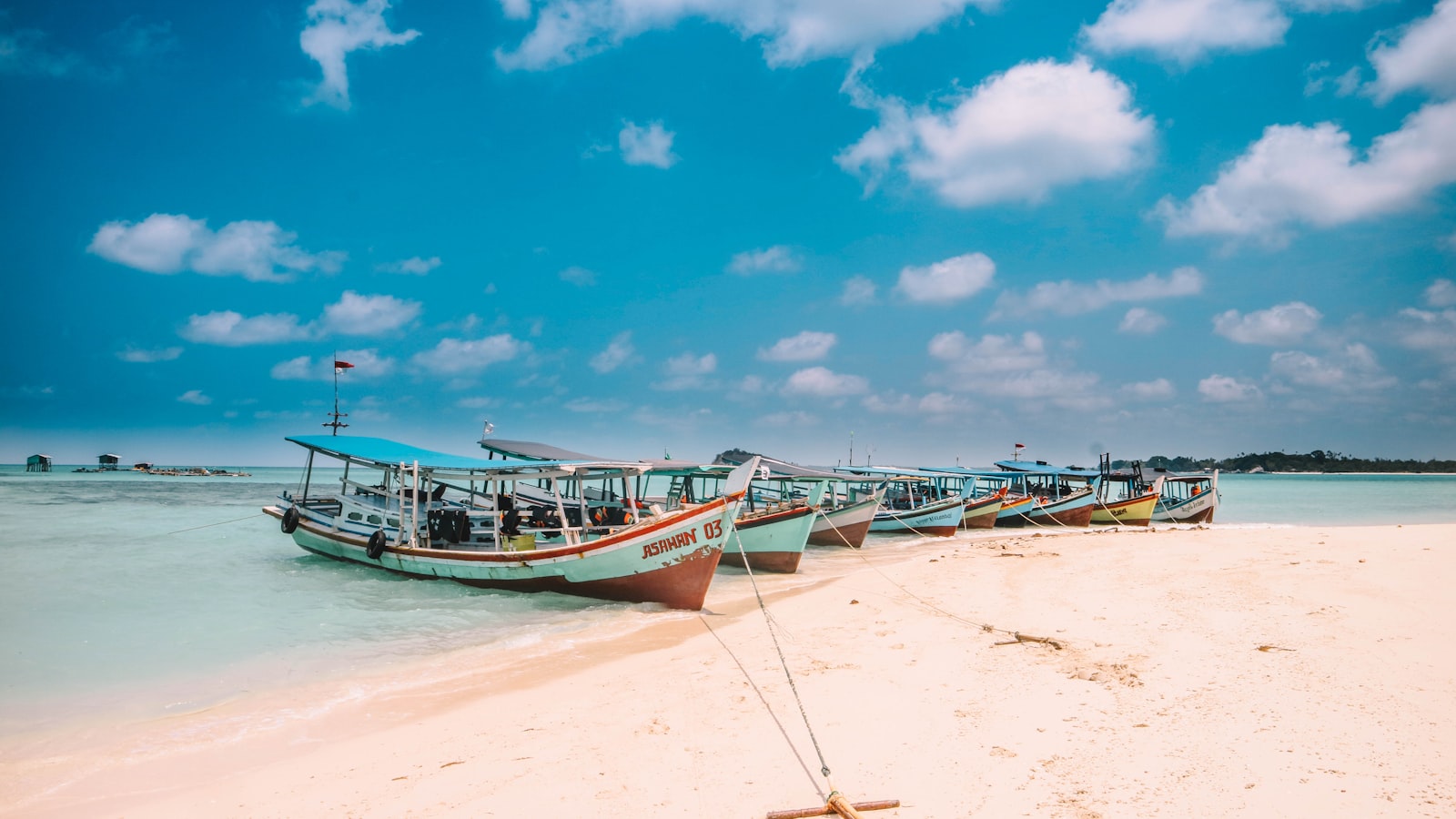
The local fleet: simple wooden boats with sun cover.
The exact route depends on your operator and conditions, but a classic day around the drier season often includes:
Morning departure from Tanjung Kelayang
Several stops at small islands and sandbars for swimming and photos
Snorkeling time near reefs around Lengkuas Island, when visibility allows
Simple meals on an island or back on the main coast
In wetter months, you might shorten the day or dial back how far out you go, especially if the forecast shows wind picking up. Clear communication with your crew helps set expectations.
If you prefer someone to handle the timing and coordination around tides and your villa location, you can plan your trip with our concierge team via WhatsApp at +62 811‑3941‑4563 for tailored suggestions.
Chapter 08
Snorkeling visibility & marine conditions across the year
08Most snorkeling here starts from the shallows, not a drop-off.
01
What affects visibility in Belitung
Resort grounds run straight down to the sand.
Belitung’s shallow seas look picture‑perfect from above, but underwater clarity is still influenced by:
Rainfall and runoff
Heavy rain can reduce clarity temporarily.
Wind and waves
Stronger wind stirs up sand and sediment, especially over sandy bottoms.
Tides
Some spots are best at particular tide levels and times of day.
The combination of lower rainfall and often calmer seas in the drier Belitung season (especially mid‑year) tends to give you more consistently clear snorkeling days around Lengkuas and nearby spots.
02
Marine life expectations
Granite runs out into the water in long, low spits.
Belitung is more about gentle, colourful shallows than big‑ticket pelagic encounters. You might see:
Reef fish in various colours
Coral patches and rocky structures near islands
Occasional sea life like sea cucumbers and small rays
There’s no reliable “migration” season for marquee species that would warrant timing your trip around wildlife. Go for the water colour, island scenery, and relaxed snorkeling, not for guaranteed sightings of specific animals.
Chapter 09
Belitung in the wet season: Who it suits & how to plan
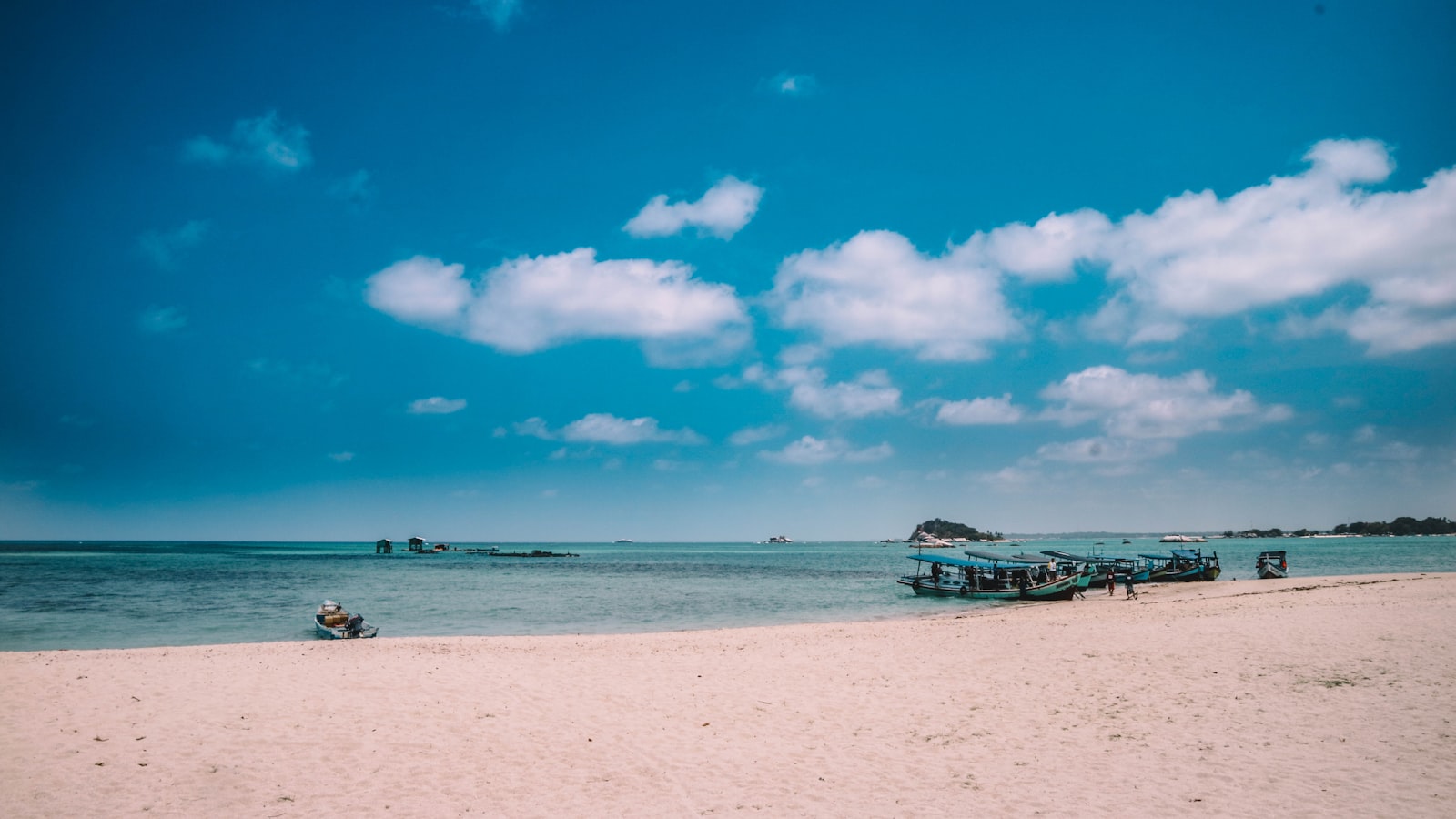
09White sand and moored boats — the everyday view along Belitung’s northwest coast.
01
Why you might still choose November–March
Not everyone needs perfect boat days. The wetter Belitung season can actually suit you if:
You’re craving quiet beaches and slower days
You’re comfortable with some rain in exchange for fewer crowds
Your focus is on rest, reading, and long meals rather than constant excursions
You’ll likely still get windows of sunshine; they’re just less predictable, and you need to build that uncertainty into your expectations.
02
How to structure a wet‑season itinerary
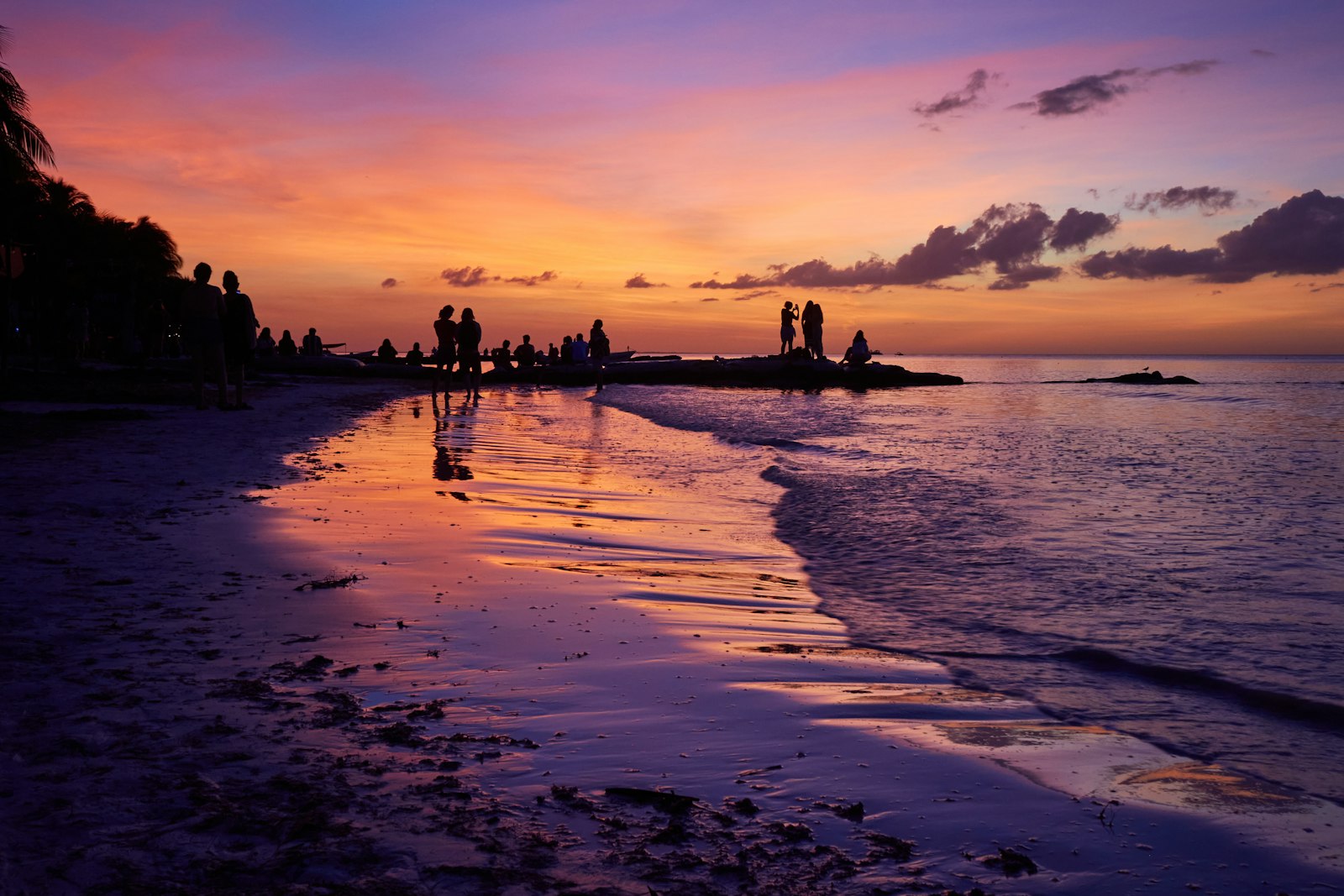
The beach empties out around sunset.
A few tactics if your dates fall in the wetter months:
Add a buffer day
for island-hopping so you’re not stuck if your first attempt is rained off or too windy.
Pack realistically
light rain jackets, quick‑dry clothing, and something to cover your bag on boat rides.
Choose accommodation with good indoor options
think cosy lounges, dining spaces, and maybe spa services.
Focus on flexibility
instead of pre‑scheduling every hour, leave space to switch beach and boat plans around emerging forecasts.
03
What not to expect in the wet season
Rounded granite spilling into a shallow cove.
To keep expectations grounded
Don’t expect every day to be blue‑sky; some may be mostly cloudy or rainy.
Don’t assume all island-hopping routes will operate exactly as pictured in brochures on any given day.
Don’t plan a once‑in‑a‑lifetime proposal or major event on a boat with no alternative date; build a fallback plan on land.
If your dates are fixed and you care deeply about long, sunny boat days, shifting your trip into the April–October band is usually wiser.
Chapter 10
Building a Belitung itinerary around seasons
10Boarding is usually a short wade in ankle-deep water.
01
Short stays (3 days / 2 nights)
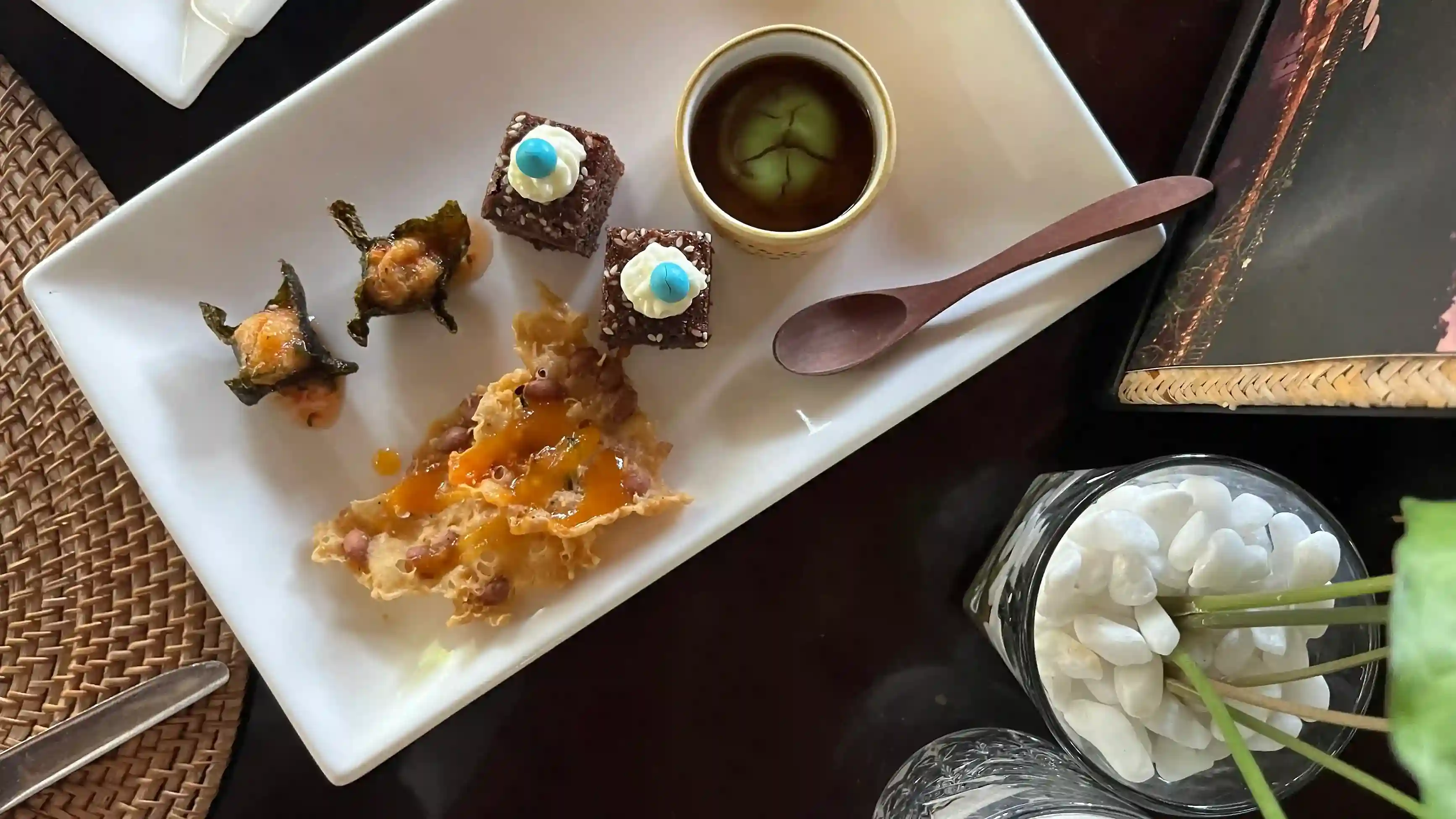
Afternoon tea is a standard courtesy at the better stays.
A classic 3D2N Belitung itinerary in the drier season might look like:
Day 1
Arrival, check‑in, relaxed afternoon at a nearby beach, sunset.
Day 2
Full island-hopping day from Tanjung Kelayang, including snorkeling and sandbanks.
Day 3
Granite‑boulder beach time or short sightseeing before departure.
This works best in the Belitung dry season, where you can reasonably plan your one full day as the boat day. In wetter months, consider extending to 4D3N so you have flexibility to move that boat day around.
02
Longer stays (4–6 nights)
Early dinners and early nights, with kids in tow.
For a longer stay, especially in shoulder or wetter seasons:
Plan two potential boat days, using whichever has the calmer forecast as the main one.
Include land‑based experiences—beach-hopping, local seafood, photo stops—for cloudier or windier days.
Use at least one day as a pure villa/resort day to soak in the property itself.
This approach keeps the trip relaxing instead of forcing every activity into a narrow window regardless of the weather.
Chapter 11
How your arrival method interacts with the season
11Outriggers in the shallows near town.
01
Flying to Belitung
Umbrellas come down as the light goes.
Most travellers reach Belitung by air. Flights are subject to standard aviation weather safety protocols year‑round. In wetter months, heavy rain or storm systems can occasionally cause delays, so if you have tight connections, build in some breathing room.
For routes, timing, and typical flight patterns, see our dedicated guide on how to get to Belitung.
02
Arriving by sea
Sea routes to Belitung exist but are less common for short leisure breaks. If you are arriving by boat or ferry, wet‑season seas may feel rougher. Factor potential delays into your plans, especially if you’ve pre‑booked private transfers or same‑day activities.
Chapter 12
How we think about “best time” as an independent guide
We’re an editorial guide, not an activity operator. Our role is to explain the trade‑offs clearly so you can match your travel window with your priorities:
If your priority is island-hopping, snorkeling, and sandbanks: aim for the drier April–October band.
If your priority is quiet villa time and you’re unfazed by rain: the wetter months can still work, especially with a small weather buffer.
If you’re sensitive to crowds: focus on shoulder months and midweek stays.
We use patterns and locally grounded information, but we cannot guarantee specific conditions for your dates, and no one should. For final decisions, always combine seasonal patterns with short‑range weather forecasts closer to departure.
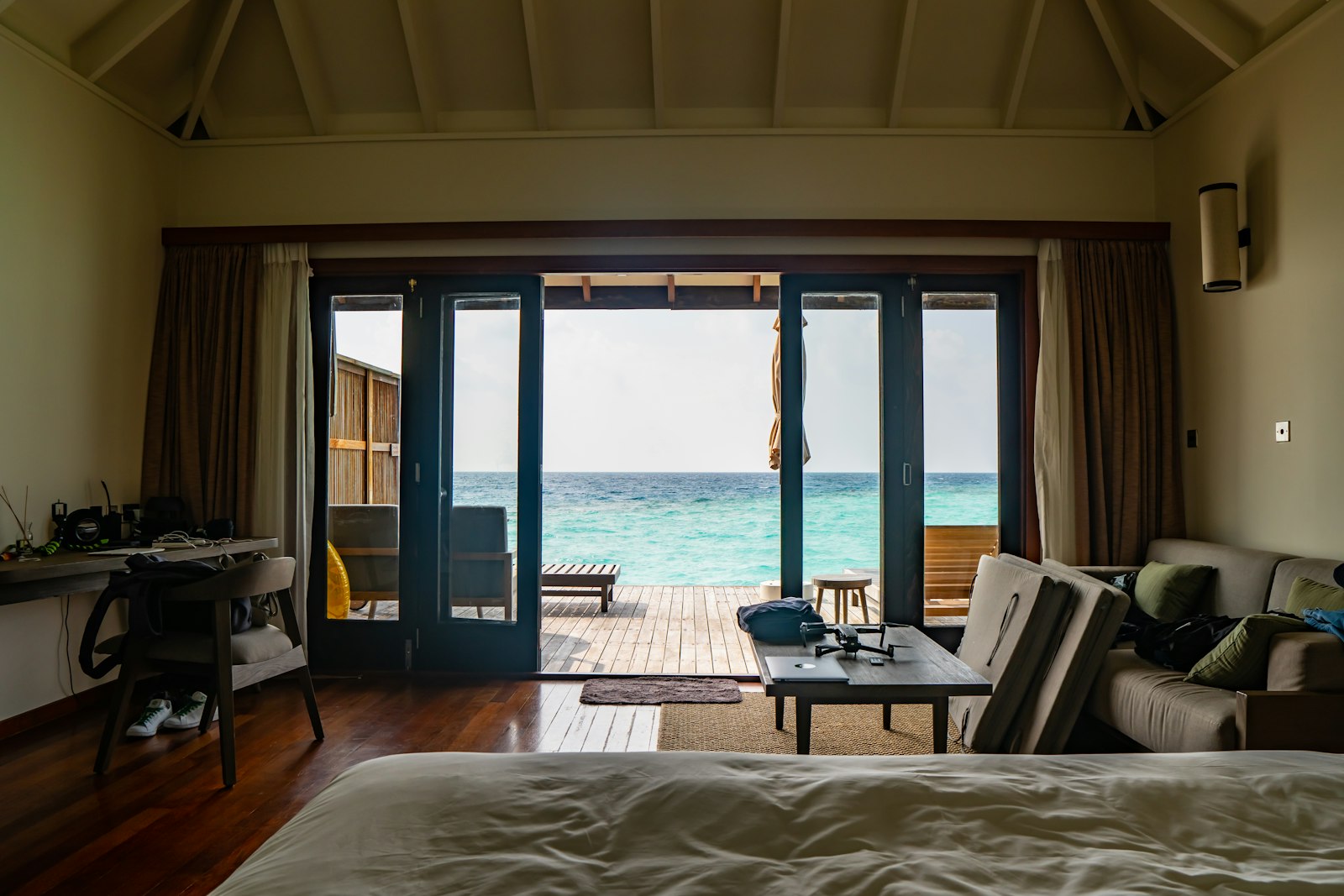
12Bedrooms open straight onto the deck in most beach villas.
Chapter 13
Ready to time your Belitung trip?
Choosing the best time to visit Belitung is about aligning your expectations with the island’s two seasons. The drier period from April to October usually favors boats, sandbanks, and clearer snorkeling; the wetter months trade some of that reliability for more solitude and softer pricing.
If you’d like help matching dates, villas, and island-hopping options to your priorities, you can plan your trip with our Belitung Villa concierge team. Reach us directly on WhatsApp at +62 811‑3941‑4563 for honest, by‑season advice; no one can pay to change what we publish, and if you proceed with our partner they may pay us a referral fee at no extra cost to you.
13Quiet ends to the day are the local speciality.
Questions & Answers
FAQs: Best time to visit Belitung
Is Belitung worth visiting in the rainy season?
Yes, if you’re comfortable with more variable weather and build flexibility into your plans. You may have some rain‑soaked days and occasional choppy seas, but you’ll also likely enjoy quieter beaches and fewer crowds. Prioritise comfortable accommodation and allow at least one buffer day for island-hopping.
How many days do I need in Belitung in the dry season?
For a first visit in the drier months, 3 days / 2 nights is the minimum to fit in island-hopping plus one relaxed beach or villa day. If you can stretch to 4–5 nights, you’ll have more freedom to pick the best weather window for boating and enjoy slower mornings and sunsets without rushing.
Which month has the clearest water in Belitung?
There is no single guaranteed “clearest” month, but mid‑drier‑season months—often June through September—tend to offer more days with good underwater visibility around places like Lengkuas Island. Even then, recent rain, wind, and tides can affect clarity on any given day.
Can I swim and snorkel in Belitung year‑round?
The sea is generally warm enough to swim all year, but clarity and comfort vary by season and daily conditions. Drier months tend to give more predictable windows with calmer seas and better visibility. In the wetter season, you can still snorkel when conditions allow, but expect some days with reduced visibility or rougher water.
Should I book my island-hopping before I arrive?
In popular drier months and around holidays, it’s wise to arrange island-hopping in advance so you secure a boat and can plan around tides and your villa location. In quieter periods you may find more last‑minute availability, but you still need to stay flexible around sea conditions. We recommend locking in a preferred day and keeping a backup window free where possible.
Tell us what you have in mind. We reply on WhatsApp with a curated villa/resort shortlist plus island-hopping and an indicative quote, and arrange your booking through our vetted operating partner. Concierge, not operator.