Tanjung Tinggi Beach Belitung: Laskar Pelangi Boulders
Honest guide to tanjung tinggi beach belitung: Laskar Pelangi boulders, clear shallows, photos, seasons, and how to pair it with the right stay.
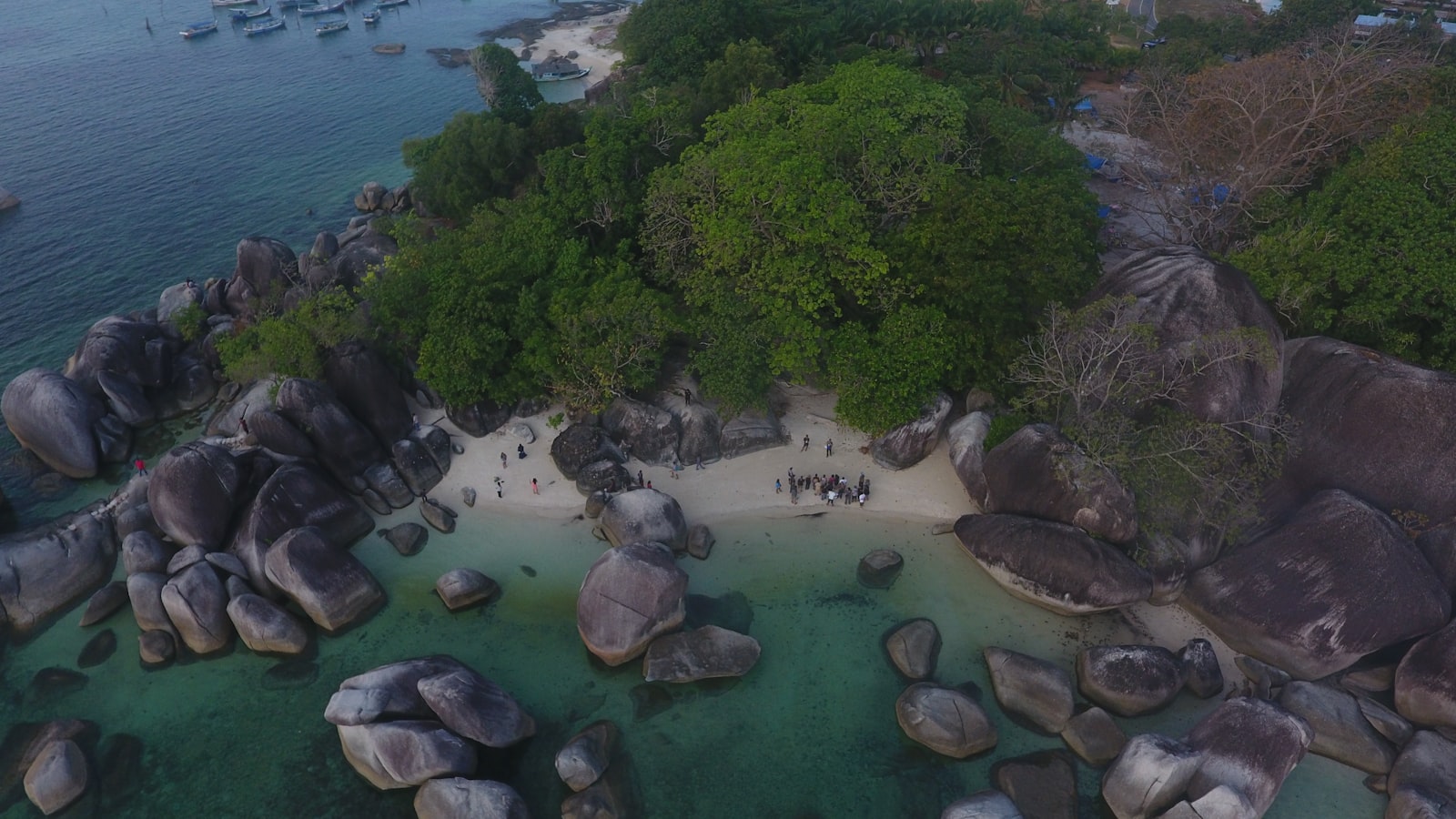
Tanjung Tinggi Beach Belitung is the island’s most famous granite-boulder cove, a calm, shallow bay where rounded rocks from pebble-size to house-size frame clear turquoise water. This is the “Laskar Pelangi” beach that defines many people’s first image of Belitung: pale sand, gentle waves, and giant stones scattered like sculpture.
Chapter 01
What Is Tanjung Tinggi Beach and Why It Matters
Tanjung Tinggi Beach is Belitung’s signature public beach on the northwest coast, between Tanjung Pandan town and the Tanjung Kelayang area. It is part of a cluster of accessible granite-boulder beaches and island-hopping jump-off points that make up Belitung’s most-visited coastline.
Here’s the short version:
Type of beach
Belitung granite boulder beach in a protected bay.
Main appeal
Giant rounded rocks, calm clear shallows, easy photos that “look like the postcards.”
Crowd level
Popular with local families and domestic visitors, quiet early mornings and outside weekends/holidays.
Stay options nearby
Mostly in the wider Tanjung Kelayang area and along the northwest coast, from simple beach hotels to higher-end villas and resorts.
Who it suits best
First-time visitors to Belitung, families, casual swimmers, and anyone who wants the classic Laskar Pelangi photo without hiking or boats.
As an independent concierge guide, we don’t run tours or own rooms along this bay. Our job is to help you understand the real trade-offs of Tanjung Tinggi versus other best beaches and things to do in Belitung, then match you with a vetted partner who can arrange transport, guiding, and the right stay for your dates and expectations.
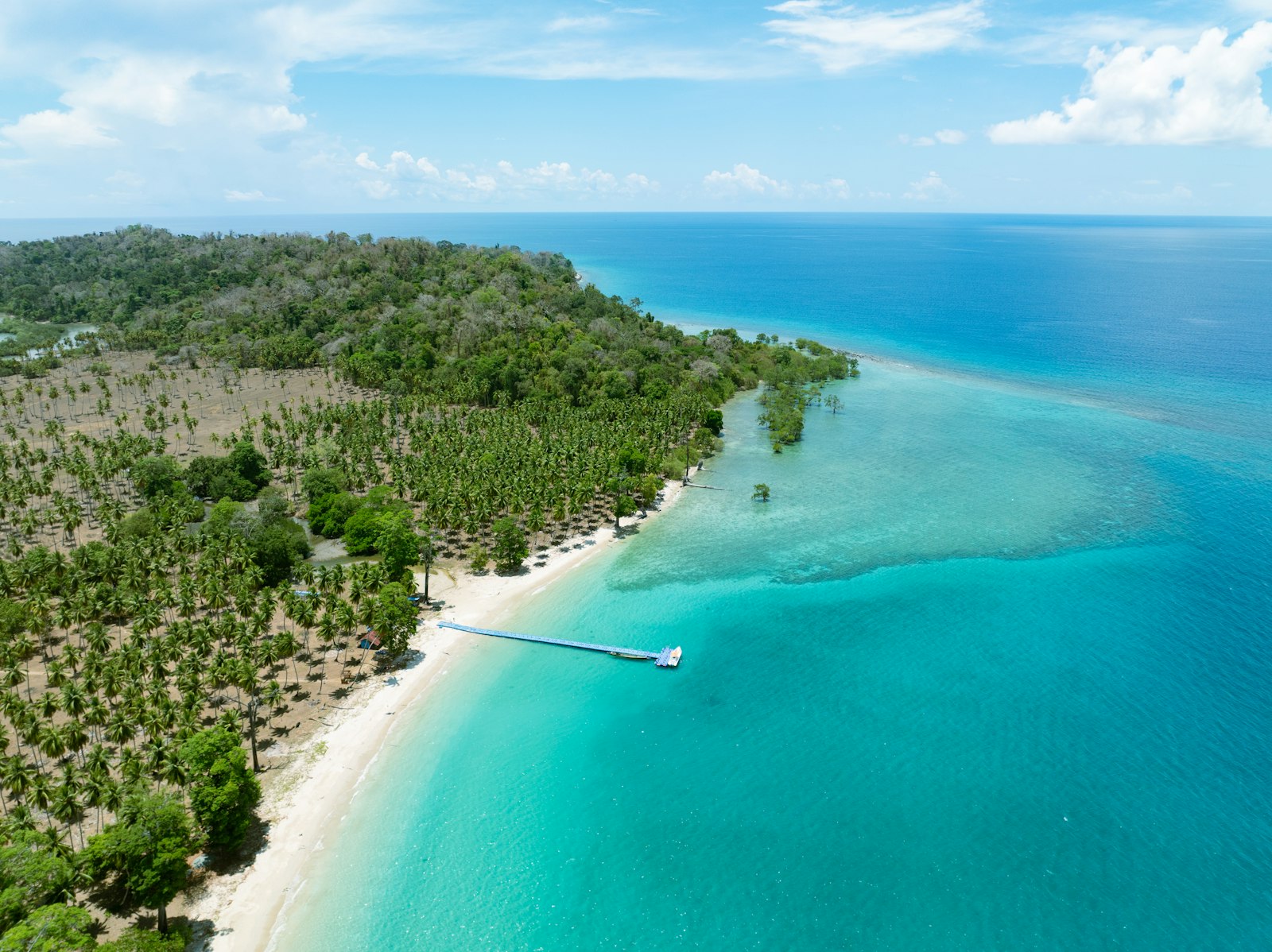
01Palms, white sand and wade-deep turquoise, seen from above.
Chapter 02
Why Tanjung Tinggi Is Belitung’s Signature Beach
Belitung has plenty of quiet coves, but Tanjung Tinggi became the signature because it combines the key ingredients most travellers want without much effort:
Iconic granite boulders you can walk to in minutes.
Soft, pale sand and a wide, shallow lagoon.
Easy road access from town and the airport.
Basic food stalls and casual facilities right by the shore.
It’s not the most remote or exclusive shore on the island, and it’s rarely empty on weekends. But if you only have one sunset in Belitung and you want an archetypal granite-boulder scene, this is the obvious choice.
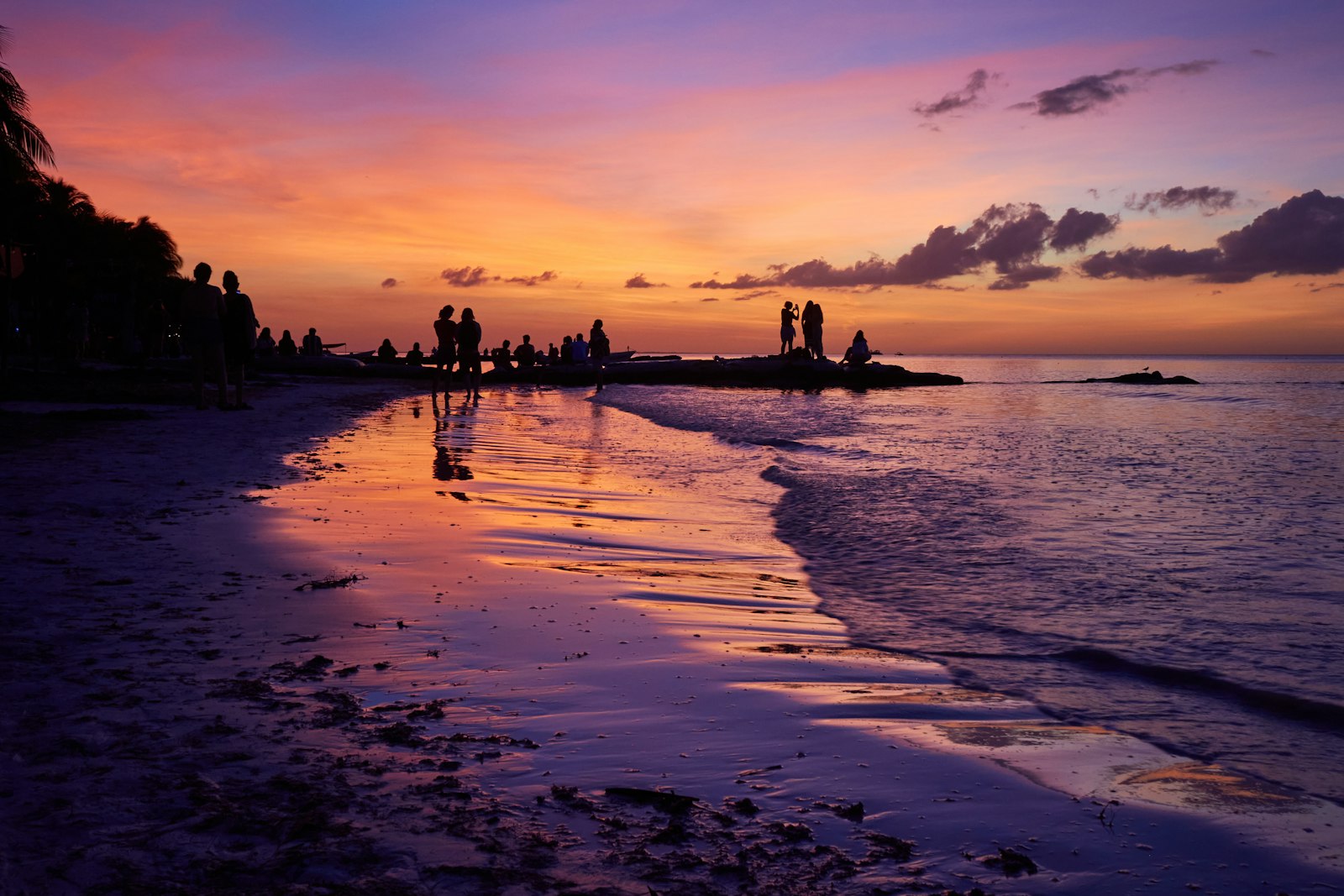
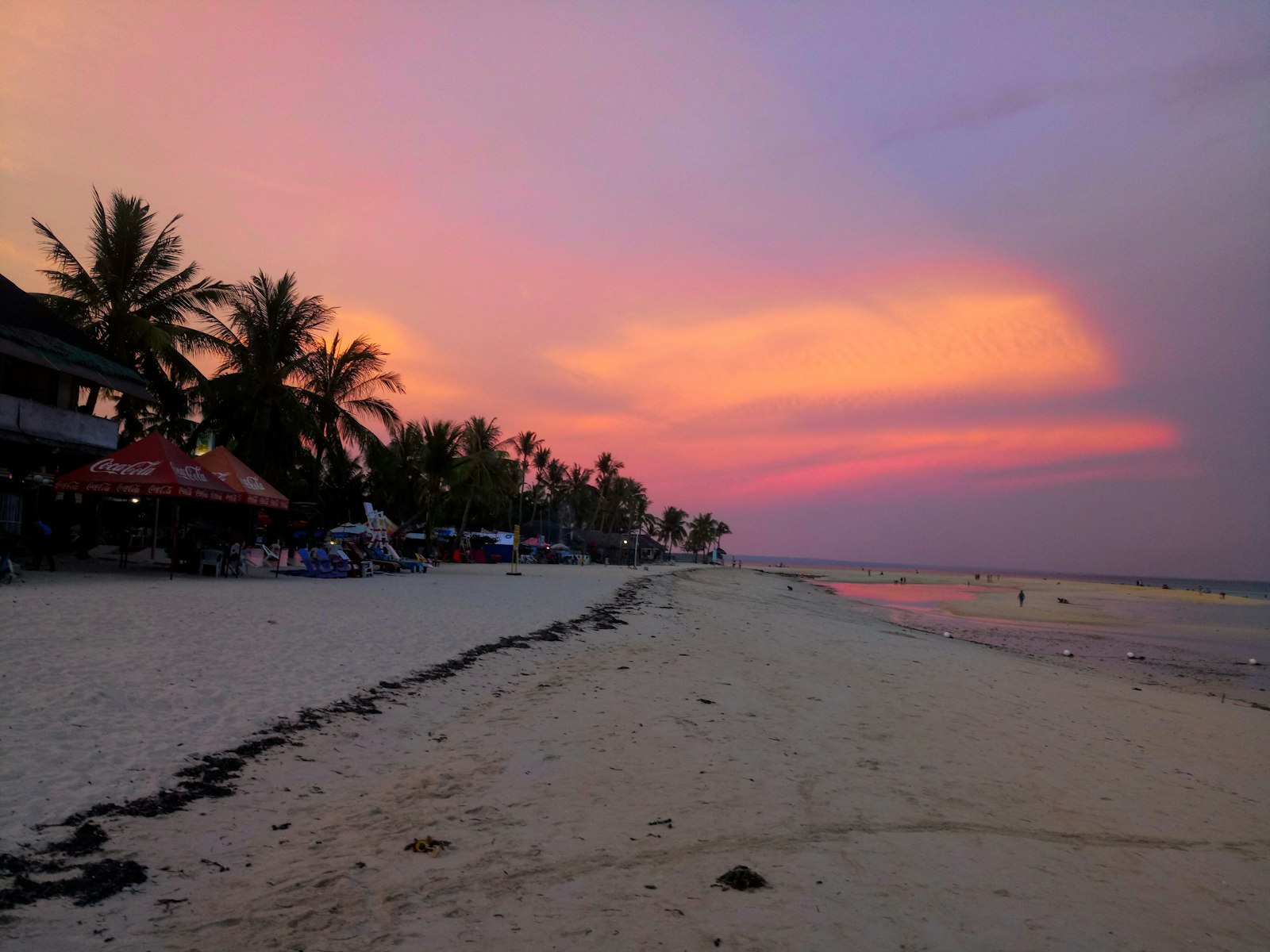
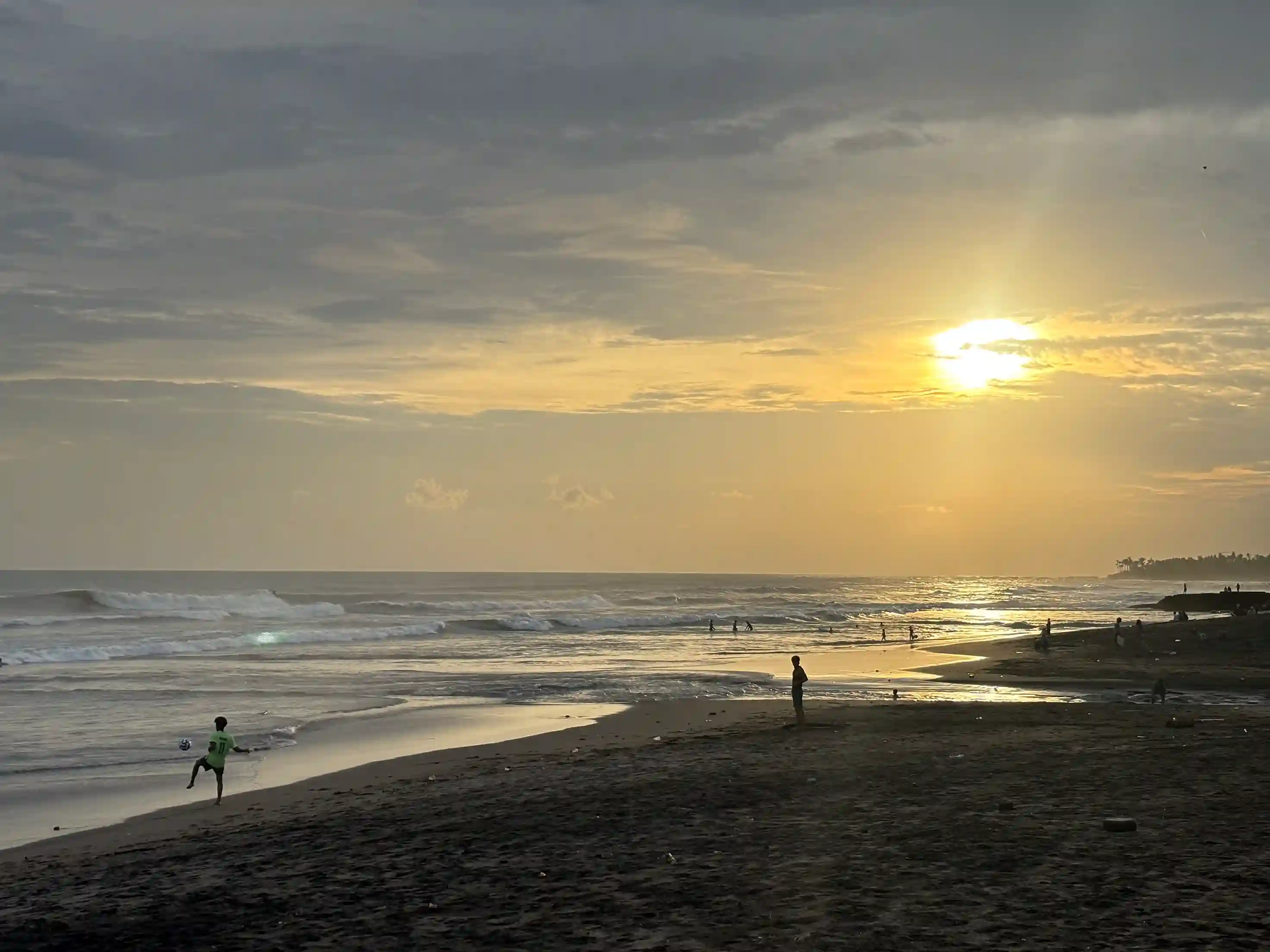
02The beach empties out around sunset.
01
Signature Look: Rounded Boulders and Calm Water
What sets Tanjung Tinggi apart visually is the density and scale of the rocks. Instead of a single outcrop at one end of the bay, you get groupings of smooth, grey-brown granite rising out of both sand and sea. Some are higher than a two-storey house, others line up to form narrow channels where light bounces off the water onto the stone.
Because the bay is partially enclosed by rock arms, waves are usually small. On typical dry-season days, the sea here feels more like a large natural pool than open surf, especially at mid-tide. This is part of why local families favour Tanjung Tinggi for children and casual swimming.
02
Public, Accessible, Not Private
Granite and still water at the end of the day.
Tanjung Tinggi is a public beach. There are no all-inclusive resorts walling off the shoreline here, and the sand is shared space. Expect:
Local food vendors and small shelters behind the main sand strip.
Occasional music from groups picnicking, especially during weekends or holidays.
Modest facilities that vary in quality over time (toilets, small warungs, occasional chair rentals).
If your priority is absolute seclusion or a fully serviced private-beach setup with staff hovering nearby, you’ll likely be happier with a private stretch attached to a villa or resort elsewhere, and using Tanjung Tinggi as a short visit.
03
How Tanjung Tinggi Compares to Other Northwest Beaches
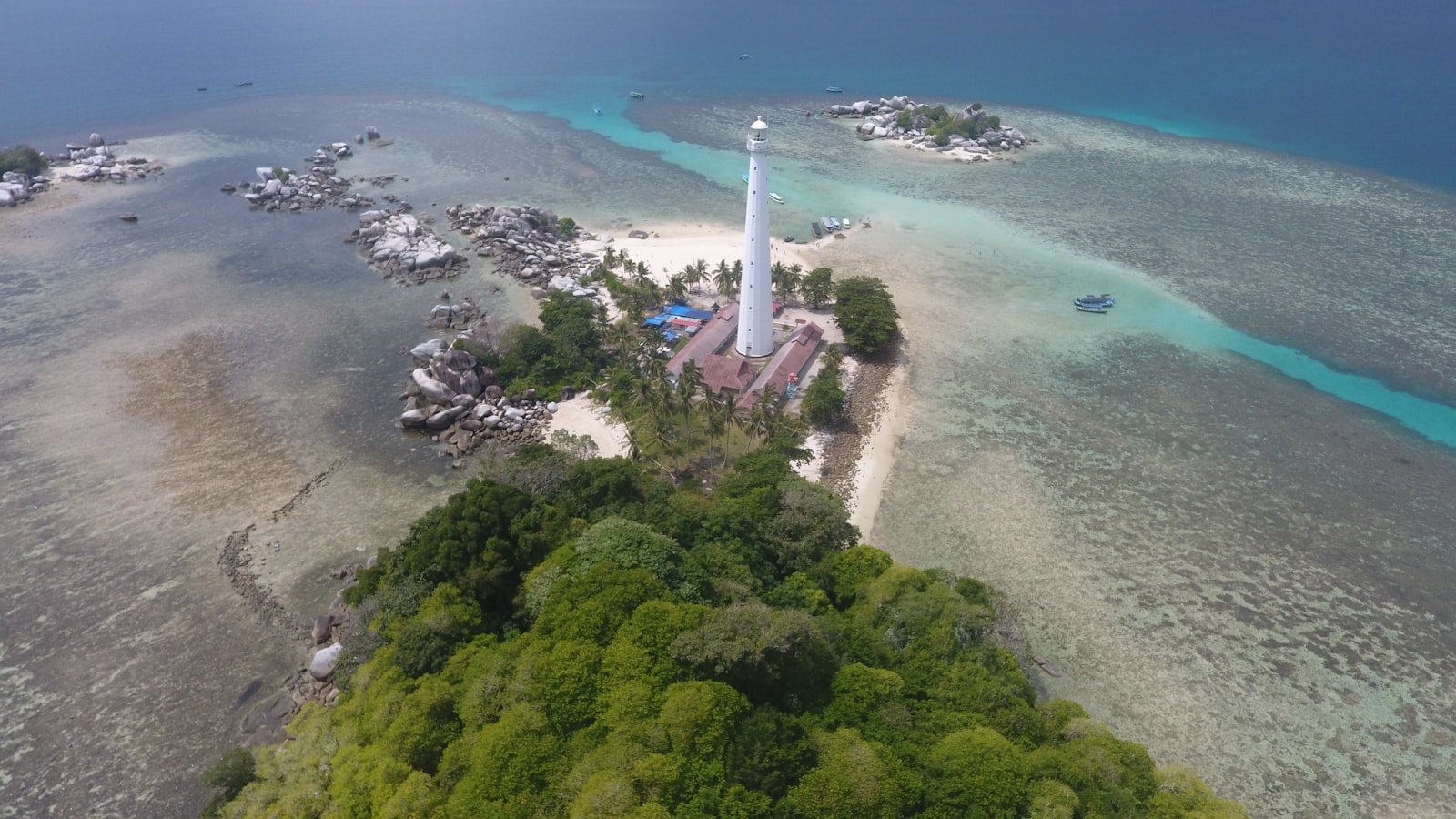
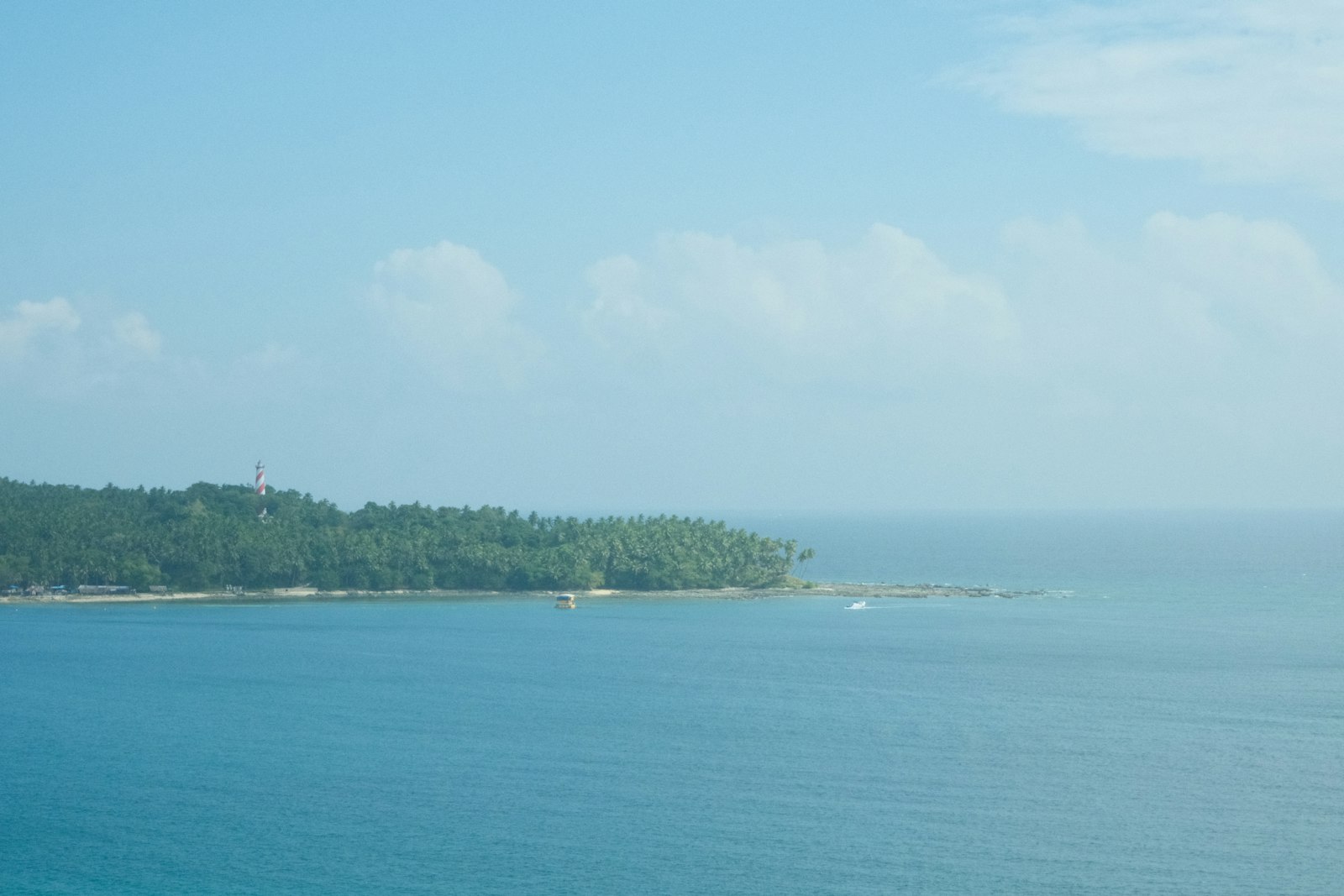
Lengkuas Island and its Dutch-era lighthouse from the air.
The northwest coast is compact enough that you can sample several shores in a day. Here’s how Tanjung Tinggi sits among the better-known names in this part of Belitung:
If you’d like help choosing between staying near Tanjung Tinggi, near Tanjung Kelayang, or closer to town, you can plan your trip with us via WhatsApp at +62 811 3941 4563 and we’ll walk you through the trade-offs.
Chapter 03
The Giant Granite Boulders and Laskar Pelangi Fame
Tanjung Tinggi’s rounded boulders aren’t man-made; they are part of a granite landscape that runs through much of Belitung, weathered over long periods into the smooth forms you see today. At this beach, those rocks just happen to be arranged in especially photogenic ways.
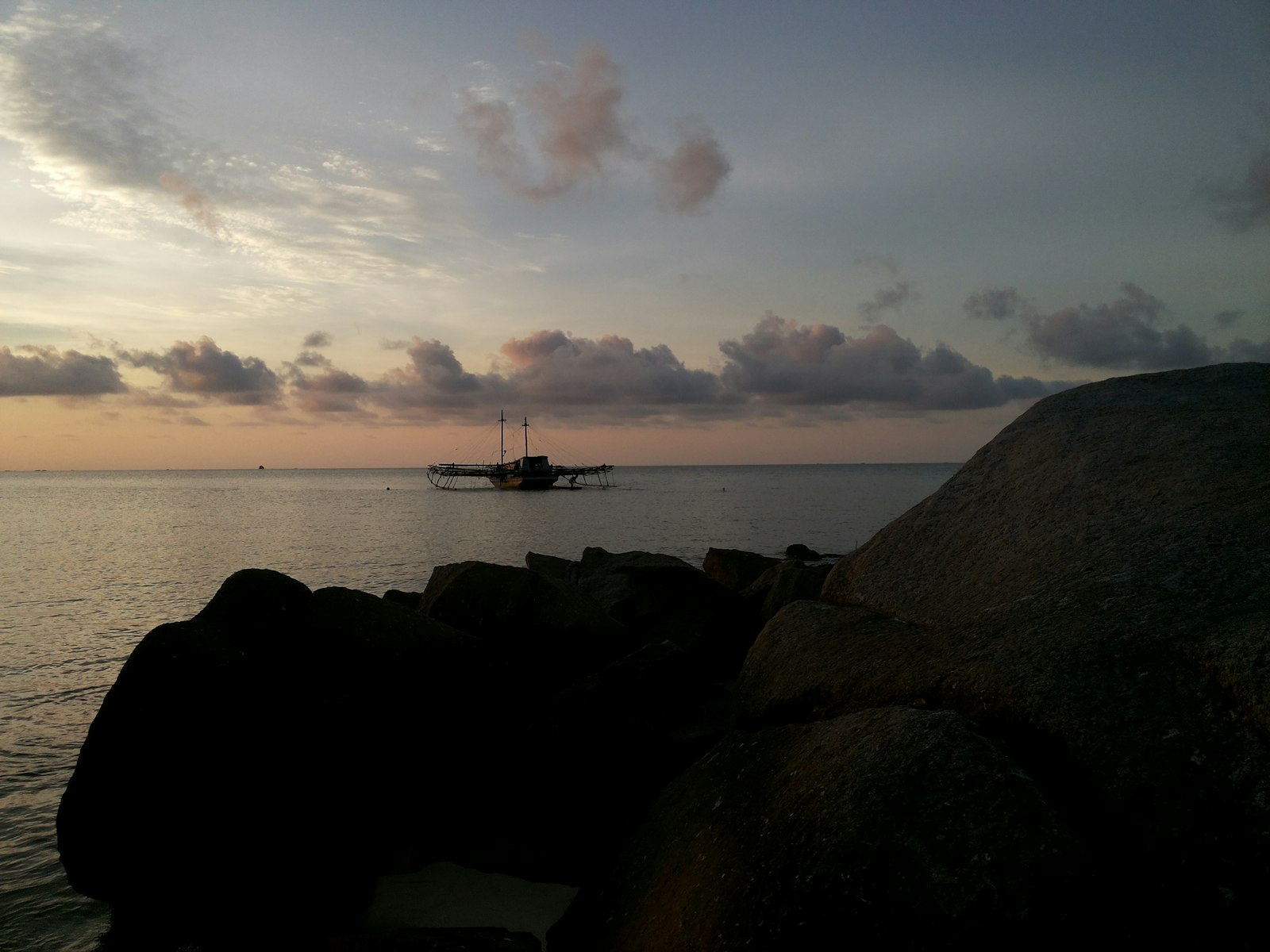
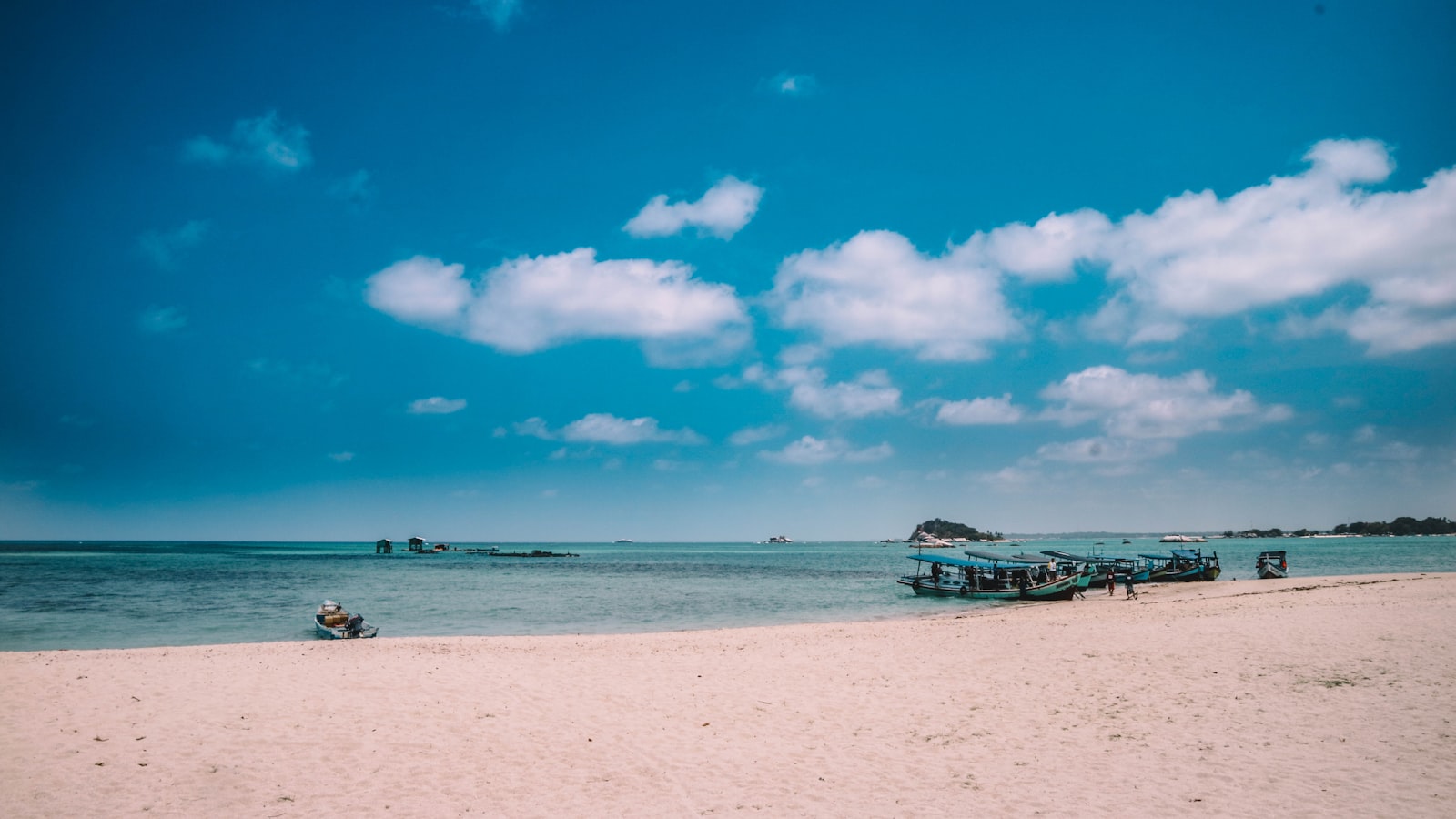
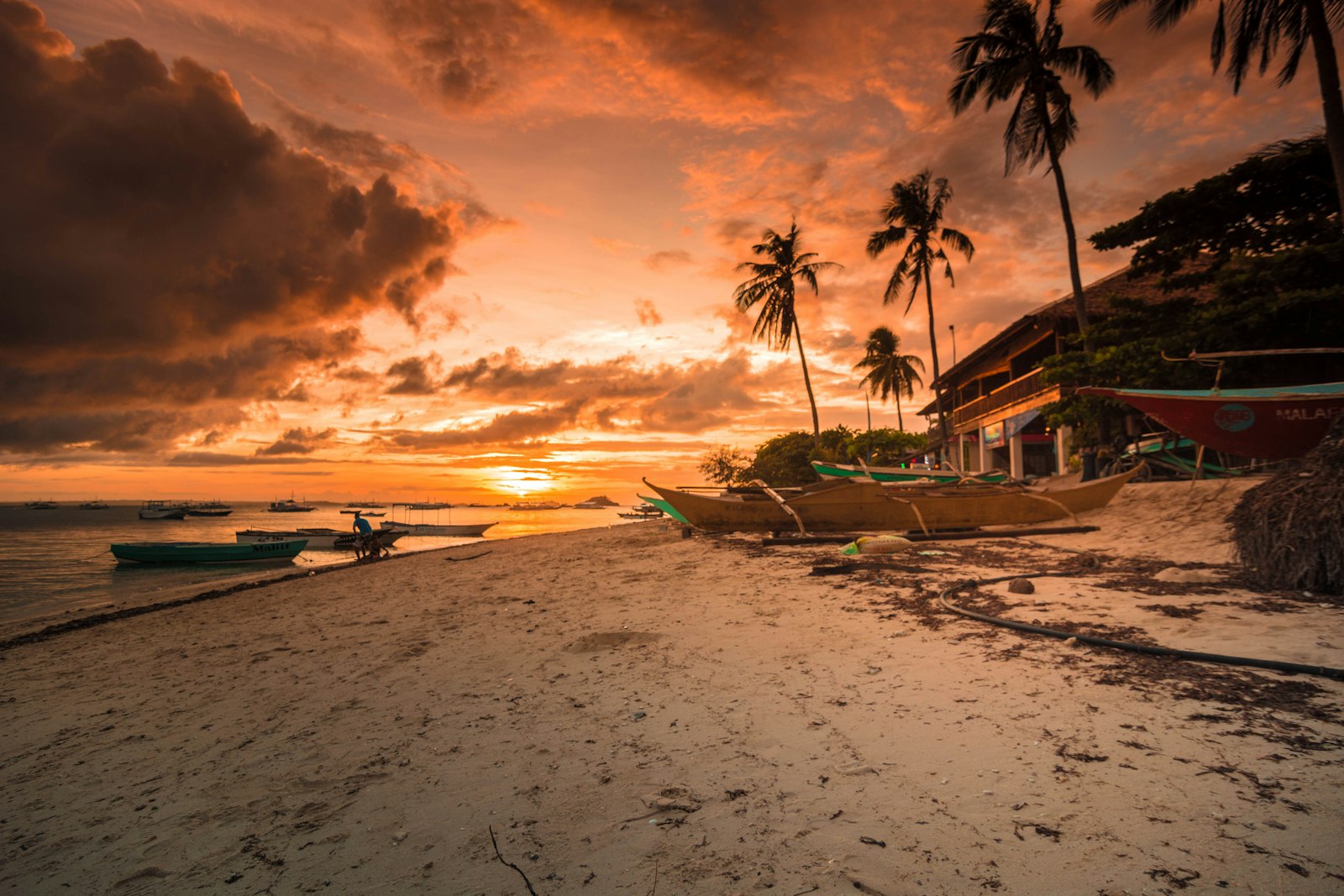
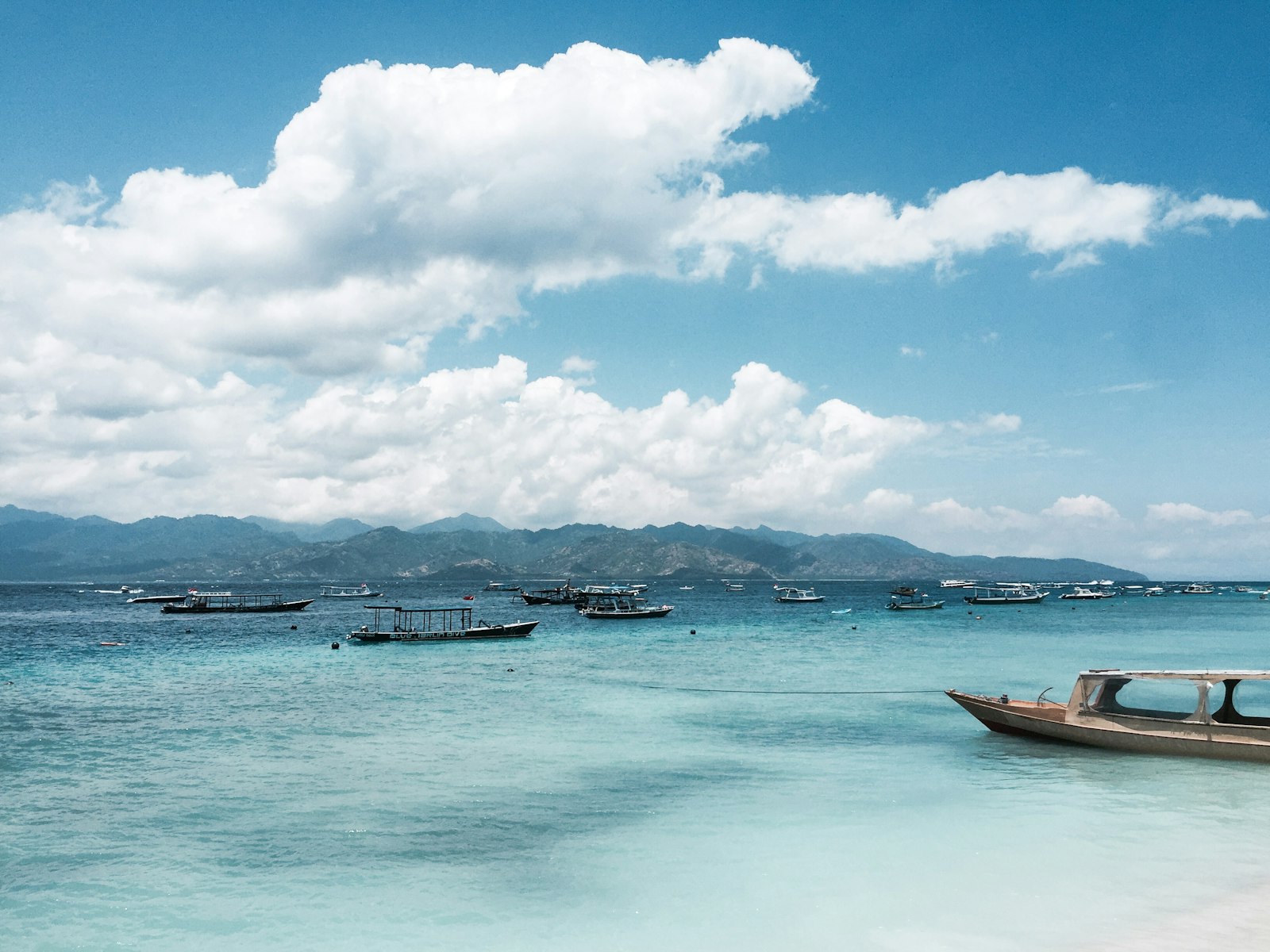
03White sand and moored boats — the everyday view along Belitung’s northwest coast.
01
The Belitung Granite Boulder Beach Landscape
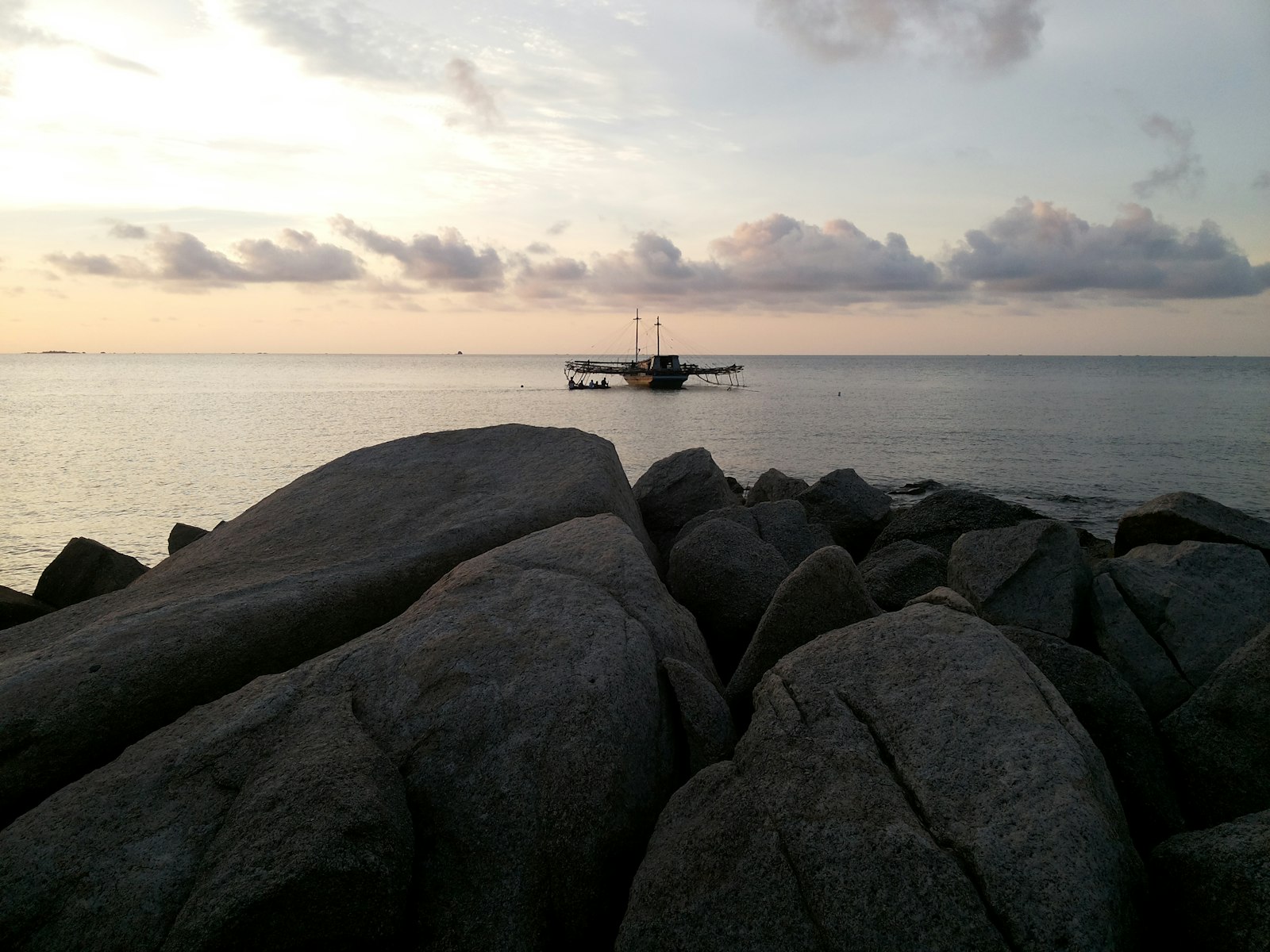
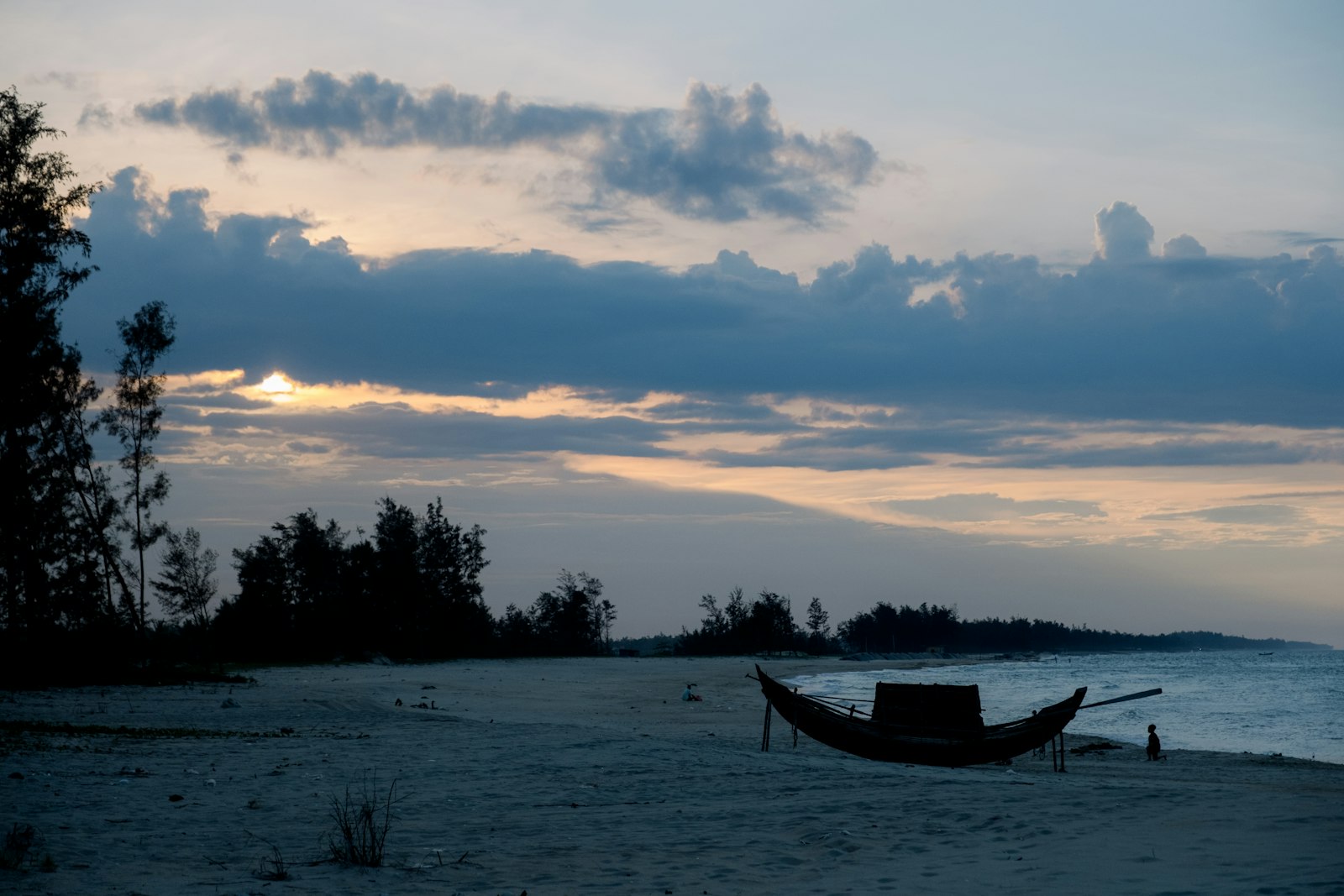
Dusk over the boulders, with a boat waiting offshore.
Across Belitung, you’ll see granite in cliffs, in inland hills, and along many beaches. At Tanjung Tinggi, erosion and time have turned these blocks into rounded forms that people often compare to giant marbles or domes.
On foot, you can:
Walk between narrow channels where rocks almost touch overhead at some points (mind the tide and slippery surfaces).
Scramble up lower boulders for gentle viewpoints over the bay.
Find small sandy pockets tucked between rock formations that feel more intimate than the main shoreline.
Always treat the stone as you would any natural site: no carving, no litter, and extra caution on wet patches covered in algae or at higher tide when footing is less predictable.
02
Laskar Pelangi Beach Belitung: From Page and Screen
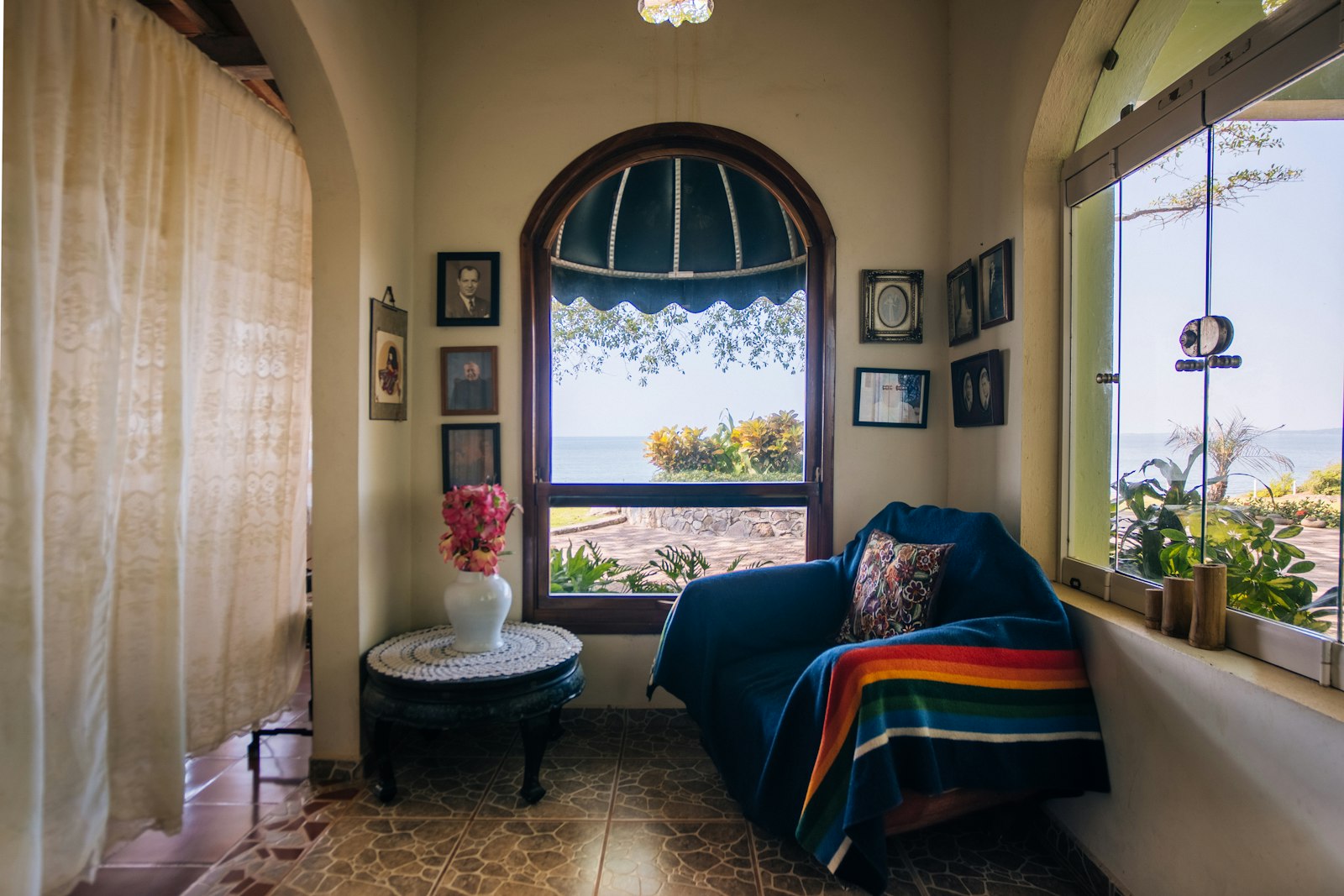
Period interiors of the kind the film crews used.
Tanjung Tinggi became widely known in Indonesia, and then abroad, because it was one of the main filming locations for “Laskar Pelangi,” the film adaptation of Andrea Hirata’s novel of the same name.
In the story, children in a village on Belitung navigate school and life amid the island’s natural landscapes. For many viewers, the scenes of kids playing among the huge rocks at the sea turned Tanjung Tinggi into “Laskar Pelangi beach Belitung,” and it still carries that identity today.
What you should know as a visitor:
The beach is not a museum or frozen film set; life goes on with food stalls, domestic tourists, and kids from nearby areas visiting for fun.
You won’t find an official “Laskar Pelangi corner” with props, but guides sometimes highlight angles used in promotional materials or stills.
The emotional impact is more about standing inside the same real landscape than about exact camera positions.
If you’ve read the book or seen the film, pairing Tanjung Tinggi with other local stops associated with the story can give your stay in Belitung a sense of narrative continuity, beyond pure beach time.
Chapter 04
Swimming, Safety, and What It’s Really Like in the Water
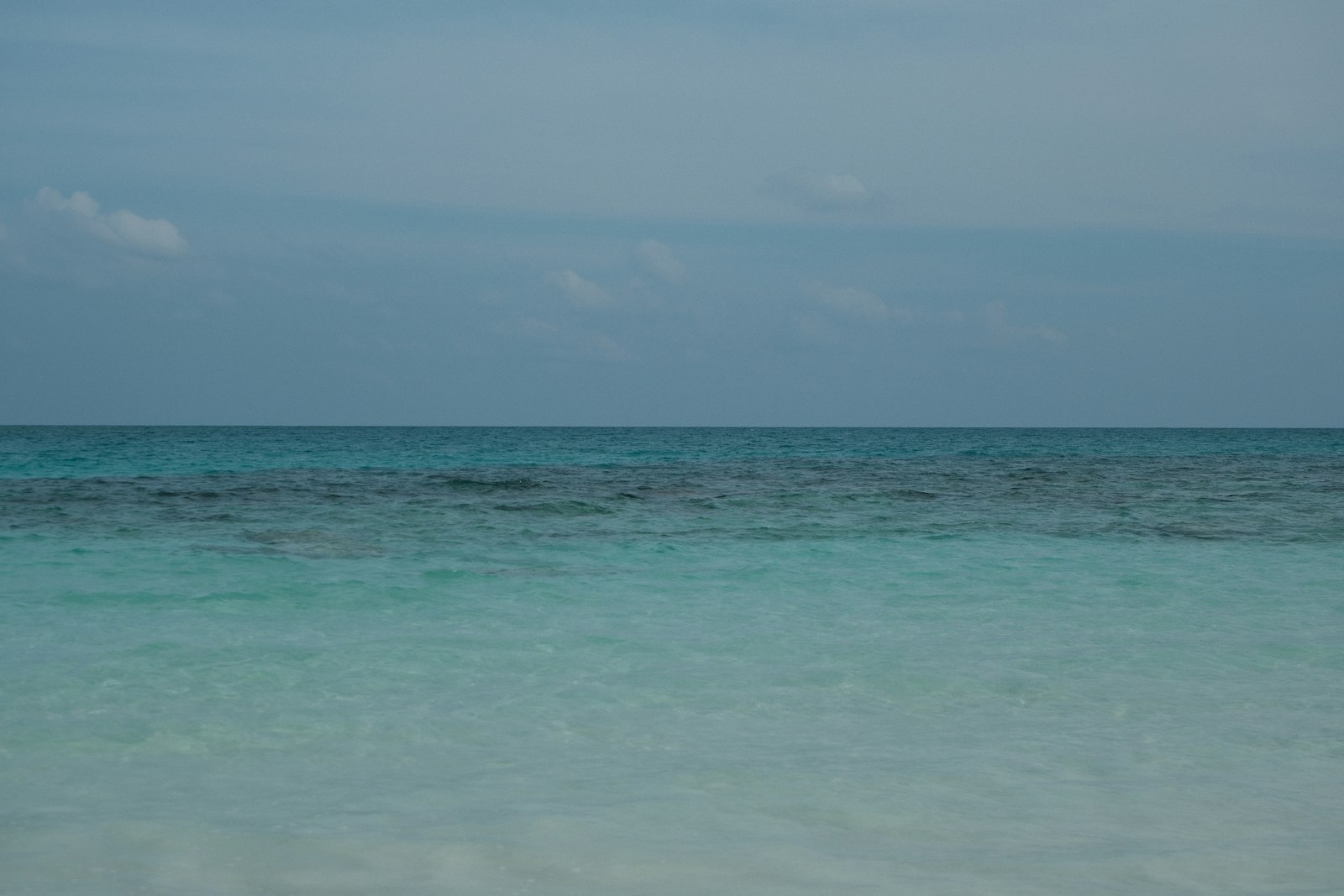
The water at Tanjung Tinggi is shallow for quite a distance from shore in many sections of the bay, and on normal days the surface is relatively calm. This makes it feel inviting to almost everyone, from children to less-confident swimmers.
04Dusk on an almost empty beach.
01
Water Conditions and Depth
Conditions can vary by time of day, weather, and season, but typically:
Depth near shore
Knee to waist-deep for a good stretch at mid-tide.
Waves
Often small ripples, especially within the more enclosed parts of the bay.
Clarity
Clear enough in dry season to see sand and scattered rocks underfoot; visibility can drop during heavier weather or after strong rain.
There are no official lifeguard towers in place as a standardised, professionalised service. You swim at your own responsibility, and common-sense awareness goes a long way.
02
Safety Considerations Around the Rocks
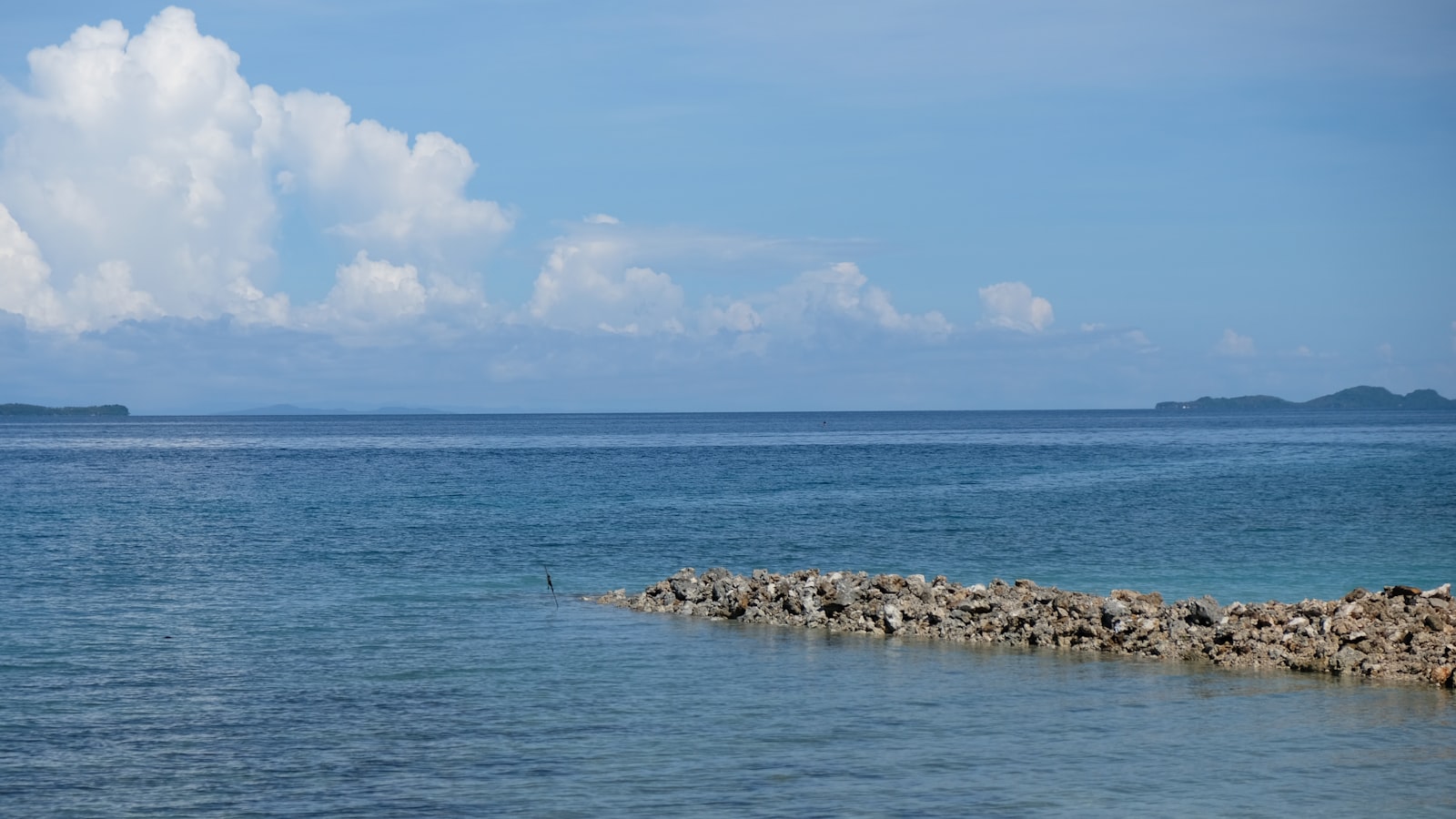
Rock spits mark most of the swimmable bays.
The boulders are beautiful from land and especially enticing from the water. A few reminders:
Algae can make some rock surfaces extremely slippery, above and below the waterline.
Sharp shells or barnacles sometimes cling to the lower parts of rocks; avoid sliding your hands and feet along them.
Jumps from rocks into water are tempting but risky due to unknown depth and submerged stones; many accidents on granite shores start as “one quick jump for a photo.”
If you have children with you, treat the rock zones like a playground with edges: fun, but supervised.
We’ve seen guests arrive with city sandals and then hesitate on the granite; basic water shoes or secure sandals can make your day here more comfortable if you plan to explore beyond the main sand.
03
Snorkelling Expectations
Tanjung Tinggi is primarily a swimming and relaxing bay. It is not Belitung’s top snorkelling site. Close to shore, you’re more likely to see sand and occasional fish than extensive coral gardens.
For better snorkelling, you’ll usually go out by boat on a Belitung island-hopping day that may include stops near coral patches or shallows around small offshore islands. Many visitors use Tanjung Tinggi as a half-day stop combined with an island-hopping trip that departs elsewhere along the northwest coast.
04
Facilities: Showers, Changing, and Gear
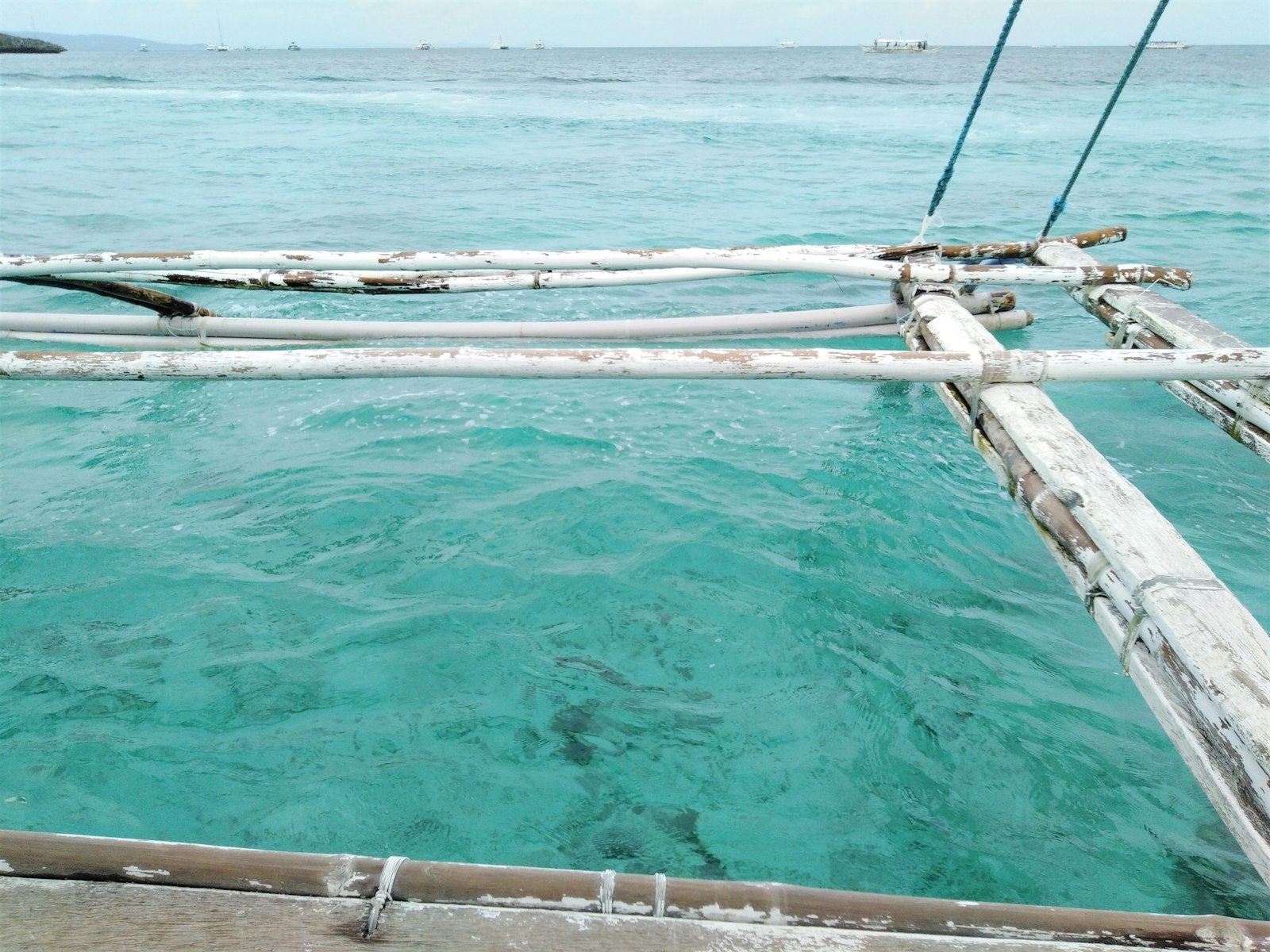
Outriggers in the shallows near town.
Facilities here are basic and can change over time. As of the last verification (June 2026):
Simple toilets and changing areas may be available near the beach, usually maintained by local operators.
Rudimentary rinsing or shower points sometimes exist but are not resort-standard.
Snorkel gear rental directly at Tanjung Tinggi may be limited, inconsistent, or lower in quality; most quality sets are arranged through island-hopping operators or your stay.
Plan to arrive with what you need for the day: drinking water, reef-safe sunscreen, a towel, and footwear suitable for sand and rock.
Chapter 05
Photography at Tanjung Tinggi: Getting the Classic Shots
Tanjung Tinggi is one of those rare places where the scene in your camera often looks close to the postcards, even for non-photographers. Still, timing and angles can make a big difference.
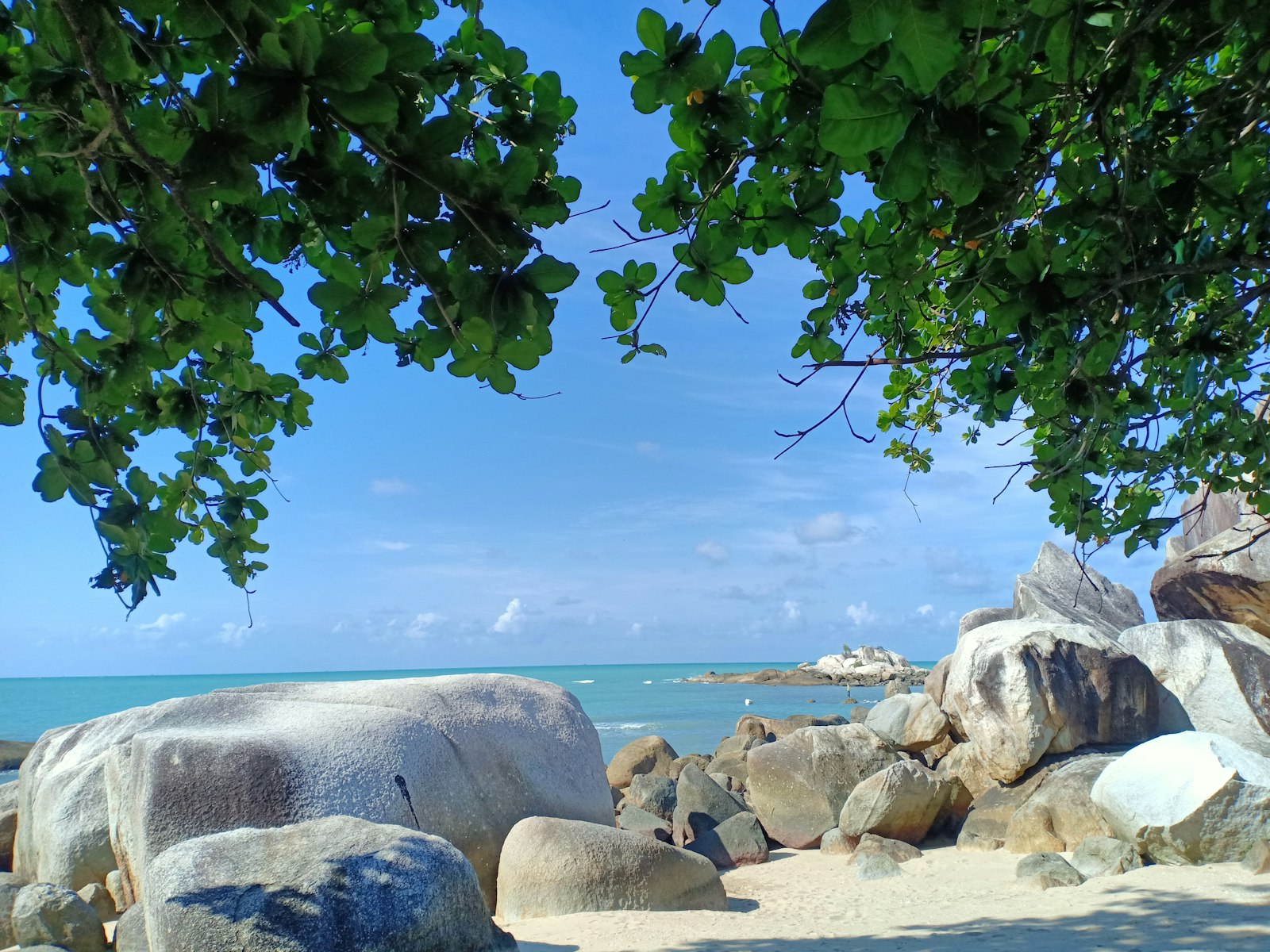
05Boulders the size of houses, right at the waterline.
01
Best Angles Around the Bay
Resort grounds run straight down to the sand.
Without spoiling every surprise, here are broad ideas for where to walk:
Main arc of sand
Start on the central curve of beach, then walk toward either cluster of rocks at the ends for “rocks framing the bay” shots.
Between boulders
Explore the paths that weave among rocks near the waterline; these give you depth and foreground interest.
Low rock viewpoints
Carefully climb lower stones (dry ones with clear footholds) for a slightly higher perspective over the curve of the bay and the offshore horizon.
If you’re serious about photography, aim for early morning or late afternoon when contrast is softer, and the rocks pick up warm light.
02
Managing Crowds in Your Frames
Sunset from the beach, no crowd to speak of.
On holidays and weekends, the main span of Tanjung Tinggi can get busy. To keep your photos peaceful without airbrushing reality:
Arrive early, especially outside school holidays; the first couple of hours after sunrise are usually quieter.
Walk farther along the bay or behind rock groupings to find angles where people are not in the direct line of sight.
Use longer focal lengths to compress perspective and cut out the busiest patches of sand.
Most visitors are cheerful about taking turns on popular spots; a bit of patience generally gets you a clear moment at key outlooks.
03
Drone Use and Consideration
Rules and local attitudes around drones can shift. In general:
Fly with respect for privacy; don’t hover over picnics or close to people in the water.
Stay clear of trees, power lines, and any local signage that restricts drone activity.
Noise from drones can alter the feel of the bay; limiting flights to short windows can help keep the atmosphere calmer for everyone.
If a local authority or community representative asks you to stop, comply with good grace — that cooperation keeps access smoother for future visitors.
Chapter 06
Getting to Tanjung Tinggi Beach Belitung
Tanjung Tinggi is part of Belitung’s northwest corridor and is reachable by road from both the main town and the airport.
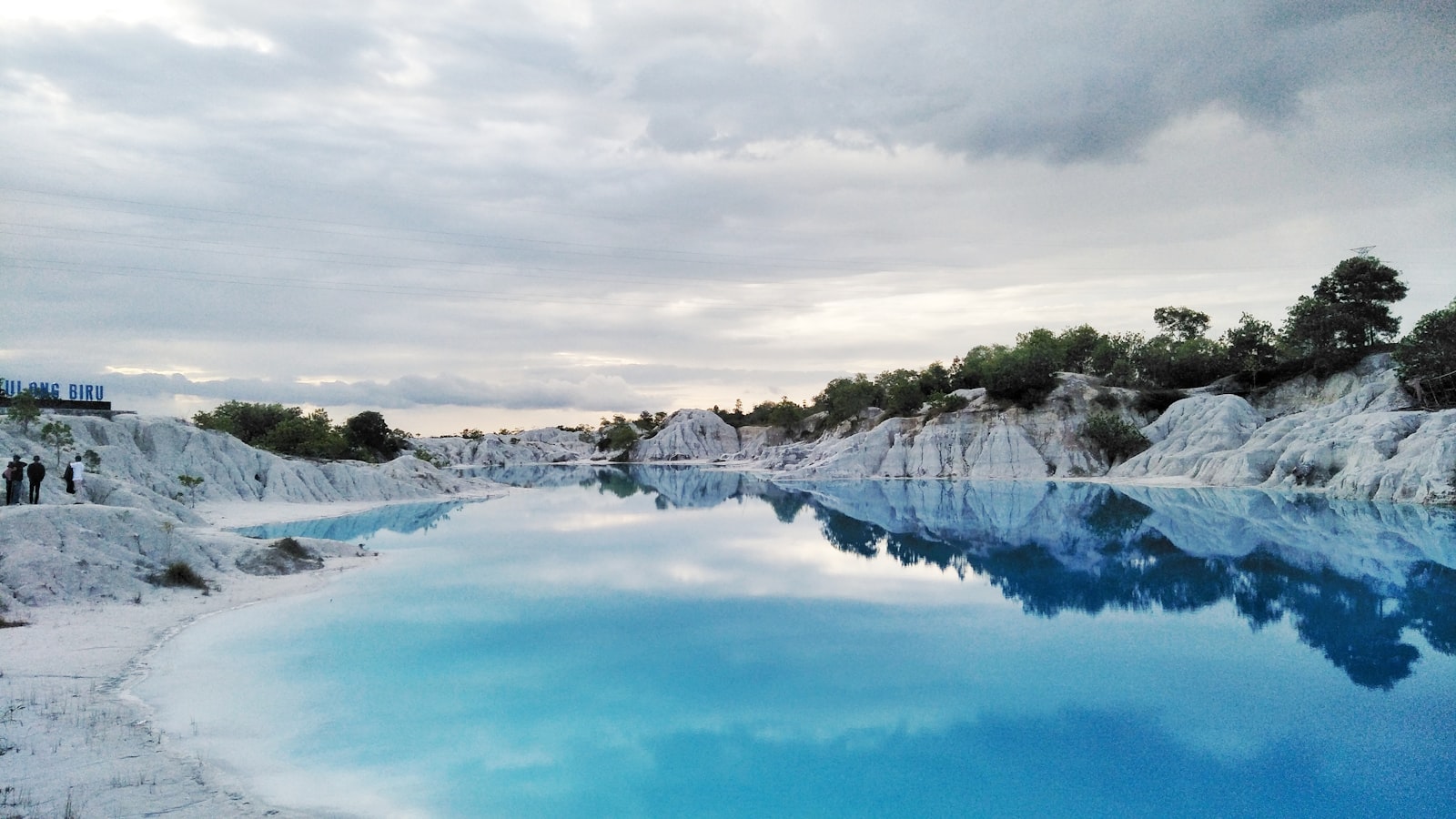
06The kaolin lakes inland — white banks, unreal blue water.
01
Approximate Location and Access
A long pool set into the garden of a beachfront villa.
You’ll find Tanjung Tinggi roughly along the coastal route between Tanjung Pandan (the main town) and the Tanjung Kelayang / northwest resort zone. Signage and maps generally label it clearly; drivers on the island know “Tanjung Tinggi” as one of the main visitor beaches.
From most northwest stays, you can either:
Arrange a car and driver via your accommodation or a vetted local partner.
Use transport organised as part of a private day-trip that also includes island-hopping or other beaches.
Self-drive options may exist for visitors comfortable with local road conditions and navigation, but many guests prefer not to deal with logistics on short island stays.
02
Distances and Travel Times
Umbrellas come down as the light goes.
Exact times depend on traffic, road works, and weather, but as broad guidelines (last verified June 2026):
Tanjung Pandan town to Tanjung Tinggi
Often around 30–40 minutes by car.
Belitung’s main airport (H.A.S. Hanandjoeddin) to Tanjung Tinggi
Roughly 45–60 minutes by car, usually via or near town.
Tanjung Kelayang area to Tanjung Tinggi
Typically a short drive, often under 20 minutes depending on exact starting point.
Roads in the area are generally paved but can have occasional bumps or narrow sections. Night driving is less common for visitors; most people plan Tanjung Tinggi as a daytime or sunset excursion.
03
Parking and Local Logistics
Parking areas near the beach are typically informal and managed by local community members. As of the last verification (June 2026):
You can usually park close enough for a short walk to the sand.
Simple parking arrangements may involve small local contributions; these are subject to local community decisions and can change over time.
There is no large multi-storey parking structure; this remains a low-rise beach zone.
To avoid fussing with these details, many guests include Tanjung Tinggi within a private car-and-driver booking starting from their villa or resort.
Chapter 07
Pairing Tanjung Tinggi With Nearby Beaches and Island-Hopping
Because Tanjung Tinggi sits in the northwest cluster, it makes sense to pair it with nearby coasts and offshore islands for a more varied day or two.
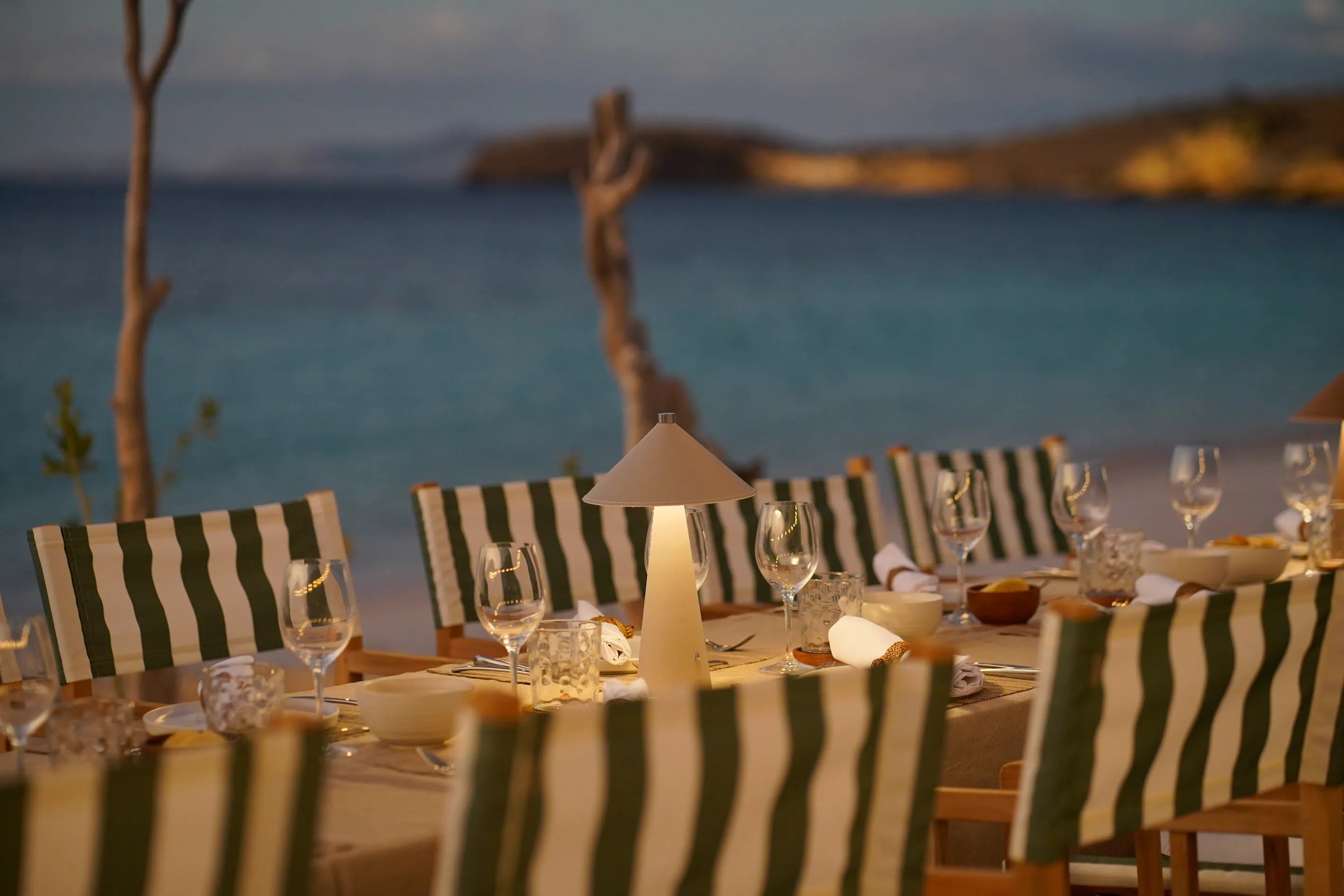
07Beach set-ups are easy to arrange with notice.
01
Tanjung Tinggi and Tanjung Kelayang
Tanjung Kelayang is the primary departure point for Belitung’s classic island-hopping route, plus a shoreline lined with a mix of accommodations.
A common pattern is:
Morning: Island-hopping out of Tanjung Kelayang, visiting small islands and sandbanks.
Afternoon: Return by mid-afternoon, rest at your stay or a café.
Late afternoon: Short drive to Tanjung Tinggi for golden-hour photos and an early dinner at a simple beachside eatery.
If you prefer less movement, you can reverse the order or split across different days — one beach day, one boat day.
02
Other Northwest Beaches to Combine
Sea on one side, road on the other — that is the whole coast.
Aside from Tanjung Kelayang, the northwest has several coves and stretches that may not have the same name recognition but appeal to travellers who like quieter sands. The trade-off is usually:
Fewer boulders and camera-ready rock formations.
Less crowding and more space for yourself in shoulder times.
Sometimes more limited food and facility options.
For couples or small groups who value quiet above everything, we sometimes recommend treating Tanjung Tinggi as a short visit for the rocks and photos, then spending more actual “beach time” elsewhere in the northwest or near a stay that opens directly to sand.
03
Island-Hopping: How Tanjung Tinggi Fits In
Wooden boats moored in the shallows between stops.
Tanjung Tinggi itself is not where most island-hopping boats depart. The typical route uses other beaches and jetties along the northwest coast, especially around Tanjung Kelayang. However, in a well-planned stay the beach still plays a role:
As a land-based counterpart to your boat day, showing you the granite landscape from shore rather than sea.
As a sunset or sunrise stop before or after island-hopping.
As a “rest day” location if you want a pause between boat-intensive days.
If you’d like help sequencing Tanjung Tinggi, island-hopping, and inland activities into a 3–5 day stay, you can plan your trip with us via WhatsApp at +62 811 3941 4563. We’ll map days to tides, light, and realistic energy levels, then connect you to a partner who handles the on-the-ground logistics; no one can pay to change what we publish; if you proceed with our partner they may pay us a referral fee at no extra cost to you.
Chapter 08
Best Time of Day and Season to Visit Tanjung Tinggi
Belitung is visitable year-round, but the experience at Tanjung Tinggi can change significantly with season, tide, and time of day. No one can guarantee clear skies or colours on a specific date, but certain patterns hold.
08A boat pulled up for the night.
01
Dry Season vs. Rainier Months
Low, flat islets scattered off the coast.
Climate patterns shift, but broadly Belitung has:
Drier stretch
Often around roughly April to September, with more sunshine days overall compared to the wetter months.
Rainier period
Commonly clusters around the late-year months into early-year, with showers or storms more frequent.
In the drier period, Tanjung Tinggi is more likely to show its turquoise shallows and clear light, with more comfortable days for extended swimming and lazing on the sand. The flip side: this is also when domestic holiday crowds can spike during school breaks or public holidays.
In rainier months, you may find:
Fewer people overall, outside specific holidays.
More moody skies, which some photographers actually enjoy.
Occasional days where heavy rain or choppy seas make swimming or sitting out less appealing.
If your calendar is flexible, pairing the drier months with midweek dates outside peak national holidays generally gives the easiest mix of light, water clarity, and space.
02
Best Time of Day for Light and Comfort
Daytime here can get quite bright and hot; on cloudless days, midday sun is intense.
Early morning
Cooler, fewer visitors, softer light; good for families who wake early or photographers chasing calm frames.
Midday
Strong overhead light, higher UV; good for quick swims and bright water colour, but you’ll want shade breaks.
Late afternoon to sunset
Often the most atmospheric window; rocks catch warm tones, and the bay feels more relaxed as day-trippers taper off.
For a first visit, late afternoon into sunset is a strong choice, especially if you plan to eat nearby afterwards.
03
Tide Considerations
The light goes quickly this close to the equator.
Tide shapes how much sand is visible, how far you can walk among rocks without getting wet, and which small coves appear or disappear.
At lower tides, more sand and rock surfaces are exposed; some of the most interesting small channels and pockets can be reached on foot.
At higher tides, water may lap at rocks that were walkable earlier; this can simplify swimming but reduce the amount of dry stone for sitting and photos.
For casual visitors, it’s not essential to study tide tables, but if you’re serious about photography or exploring rock formations, aiming for a falling or low tide can be rewarding.
Chapter 09
Where to Stay If Tanjung Tinggi Is on Your List
There are no large all-inclusive resorts built directly along the main curve of Tanjung Tinggi itself. Most discerning visitors who prioritise this beach choose one of three location strategies:
09Rounded granite spilling into a shallow cove.
01
Staying in the Tanjung Kelayang / Northwest Zone
Resort loungers and shade, a short walk from the room.
This is the most practical base if you want easy daily access to both Tanjung Tinggi and island-hopping:
Short drives to Tanjung Tinggi for sunrise, sunset, or quick dips.
Boat departures for island-hopping usually within a quick transfer.
A range of stays, from simple rooms to higher-end resorts and villas, many facing their own beach frontage.
The trade-off is that this area can be more structured and built-up than completely undeveloped coves, but it’s also where you find the most service and restaurant options without going into town.
02
Staying Near Town (Tanjung Pandan)
Some guests, especially on short trips, choose to base in or near Tanjung Pandan and day-trip to the beaches. Pros:
Easier access to town dining, shops, and administrative services.
Potentially broader range of room budgets.
More “lived-in” feel after dark compared to quiet resort zones.
You’ll then reach Tanjung Tinggi by car, often in the 30–40 minute range each way, which is fine for a day or two but less ideal if you expect to be at the beach every sunrise and sunset.
03
Private Villas and More Secluded Options
Granite runs out into the water in long, low spits.
For travellers who value privacy and space, the northwest coast has villas and smaller properties that open directly onto quieter stretches of beach. You’d then visit Tanjung Tinggi as an outing:
Morning or late-afternoon visits for photos and a sense of place.
Most actual lounging done back on your own fronting beach, away from the busier public sand.
Choosing among these options comes down to your appetite for daily transfers, how much you value walking distance to boats and warungs, and your desired balance of privacy versus convenience. If you’d like a human to think through that with you, you can plan your trip via WhatsApp at +62 811 3941 4563 and we’ll help match you to a vetted local partner; no one can pay to change what we publish; if you proceed with our partner they may pay us a referral fee at no extra cost to you.
Chapter 10
What a Realistic Half-Day at Tanjung Tinggi Looks Like
To make this less abstract, here’s what a typical half-day might involve for a couple or family:
Arrival: You arrive by car mid-afternoon from your northwest stay. The driver drops you near the main access point; you walk onto the sand with a small day bag.
First look: You spend 15–20 minutes simply walking the curve of the bay, getting a feel for where the rocks cluster, where people are sitting, and which angles catch your eye.
Water time: You choose a base spot on the sand, leave belongings in sight, and wade into the shallows. You float and swim in the calmer parts of the bay, taking breaks as needed.
Exploring rocks: Once you’re partly dry, you walk toward one end of the bay and begin exploring lower rocks, taking care with footing. You find a small, semi-sheltered nook between boulders for photos.
Golden hour: As the sun drops, you frame shots with rocks in the foreground and changing colours in the sky. Crowds thin slightly, and the atmosphere relaxes.
Early dinner or return: You either eat a simple seafood meal at a nearby casual spot or head back toward your villa or resort for a more polished dinner.
This kind of unhurried half-day is often enough to understand why Tanjung Tinggi is the face of Belitung’s coasts, without expecting it to be your only or quietest beach experience of the stay.
10Long horizons rather than dramatic cliffs.
Chapter 11
Planning Tanjung Tinggi With Belitung Villa
Belitung Villa exists to bridge the gap between glossy images and actual on-the-sand realities. We walk you through:
Pros and cons of Tanjung Tinggi versus other beaches for your priorities.
Seasonal patterns that can influence clarity, crowds, and comfort.
How to combine Tanjung Tinggi with island-hopping, inland trips, and rest days.
Which type of stay (resort, villa, town hotel) maps best to your plans.
We are not an operator and we don’t push a single resort or tour. Instead, we act as an editorial filter and then connect you to a vetted local partner who can actually run your transfers, guiding, and bookings on the ground; no one can pay to change what we publish; if you proceed with our partner they may pay us a referral fee at no extra cost to you.
If you already know Tanjung Tinggi is on your must-visit list and want to plug it into a realistic 2–5 night Belitung plan, you can plan your trip with us via WhatsApp at +62 811 3941 4563. Share your dates, rough budget range, and how you like to spend time at the beach; we’ll help you decide how many hours to spend at Tanjung Tinggi itself — and where to balance that with quieter sands and boat days.
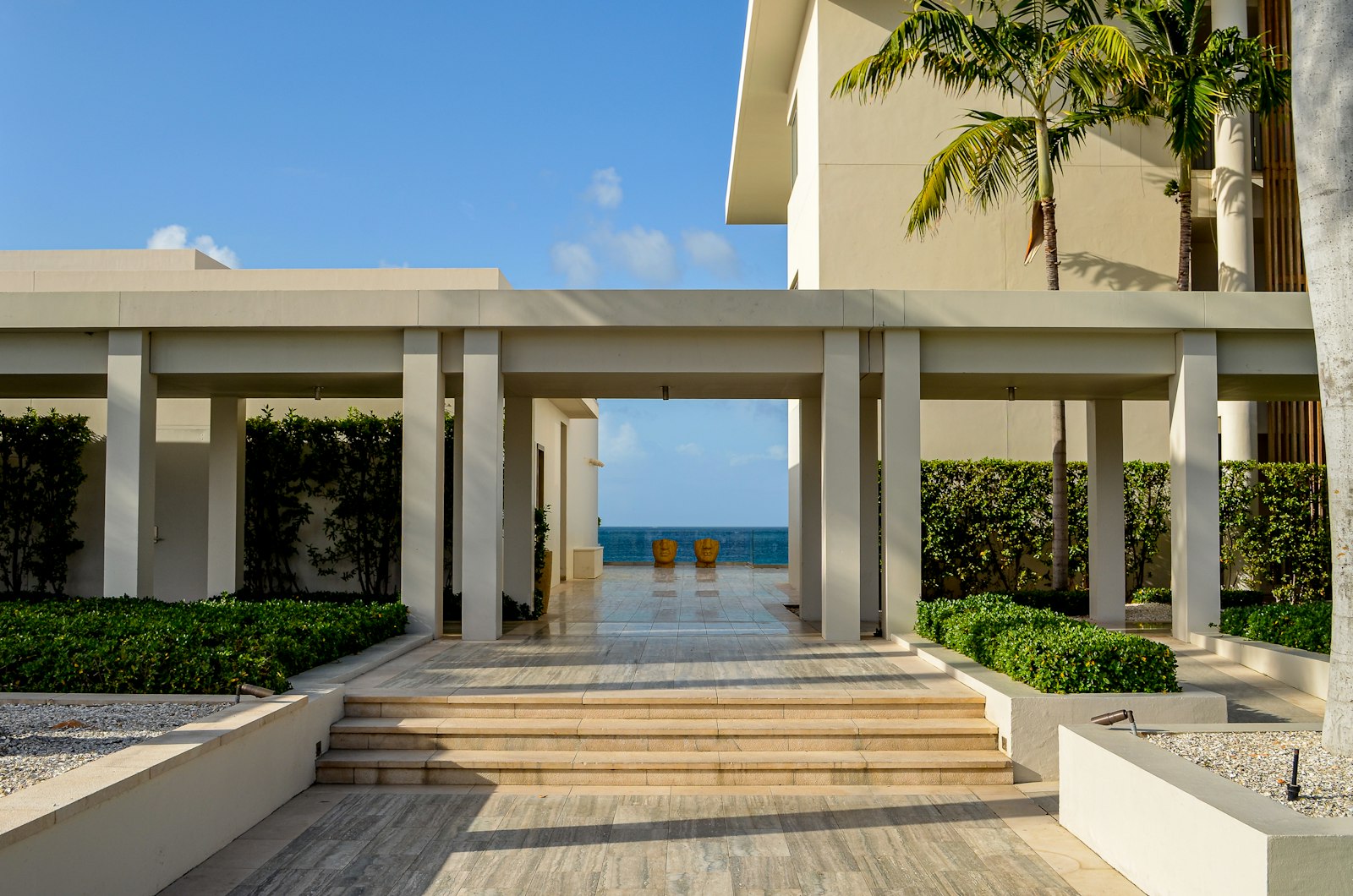
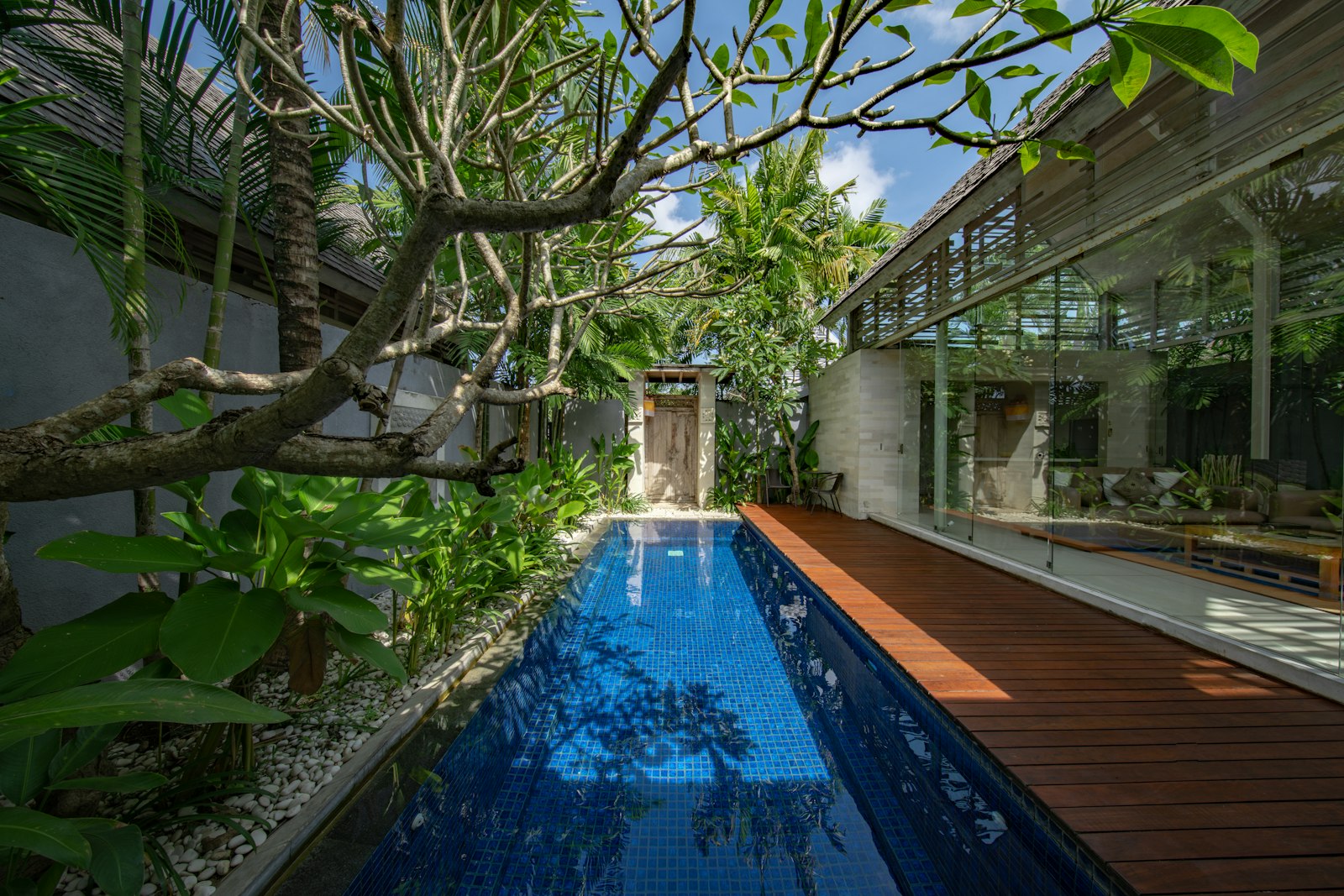
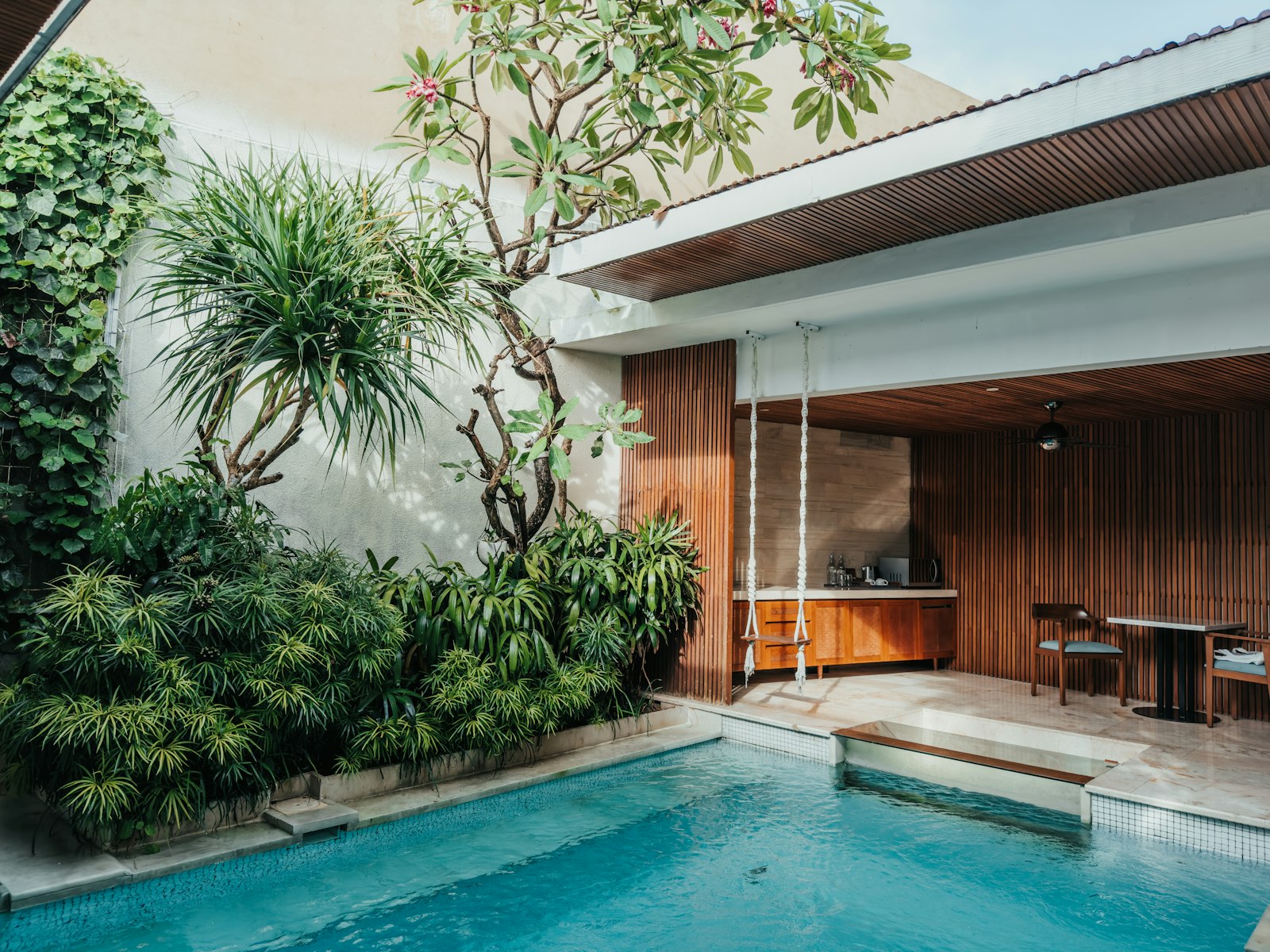
11Clean lines, private pool, sea a short walk away.
Questions & Answers
FAQs About Tanjung Tinggi Beach Belitung
How long should I plan to stay at Tanjung Tinggi?
Most guests find that 2–4 hours is enough for a first visit: walking the bay, swimming, taking photos among the rocks, and possibly having a meal. Serious photographers or those who want both sunrise and sunset light might stretch that to multiple shorter visits across different days.
Is Tanjung Tinggi Beach safe for children?
Tanjung Tinggi Beach has a wide, shallow bay that many families enjoy, and on typical days waves are relatively gentle. However, there is no formalised lifeguard system in place, so close adult supervision remains essential, especially near rocks and during changing tides.
Can I visit Tanjung Tinggi and do island-hopping on the same day?
Yes, many visitors combine a morning island-hopping trip from the northwest coast with a late-afternoon visit to Tanjung Tinggi. The exact feasibility depends on your boat timings, energy levels, and season, but with private transport it is a common pairing.
Do I need a guide to enjoy Tanjung Tinggi?
You do not strictly need a guide to walk the beach, swim, and enjoy the scenery at Tanjung Tinggi. That said, a local guide or driver can be useful for timing around tides, suggesting less-crowded angles, and weaving the stop into a broader day that includes other beaches or inland sites.
Are there restaurants or food options at Tanjung Tinggi?
Simple local food stalls and small eateries typically operate near Tanjung Tinggi, with options such as seafood and basic Indonesian dishes. Standards and specific outlets can change over time, so for more polished dining many travellers rely on their villa, resort, or restaurants closer to town.
Tell us what you have in mind. We reply on WhatsApp with a curated villa/resort shortlist plus island-hopping and an indicative quote, and arrange your booking through our vetted operating partner. Concierge, not operator.