Honest belitung weather by month guide: dry vs wet season, sea conditions, rainfall patterns and how to plan island-hopping around them.
Belitung weather by month is essentially a warm, tropical pattern with two clear moods: a generally drier stretch from roughly April to October, and a wetter, windier, more unpredictable phase from around November to March. Belitung stays hot and humid all year, so the real question is not “Will it be warm?” but “How dry, how windy, and how calm will the sea be for island-hopping?”
This guide breaks Belitung’s climate down into plain language: dry months, wet months, shoulder periods, and what those actually feel like on the beach and on a boat. Every month and rainfall pattern here is a general guide and should be treated as [VERIFY], never as a precise forecast for your exact travel dates.
Chapter 01
Belitung’s Climate in One Page: The Honest Overview
Belitung sits near the Equator in Indonesia, so its climate is consistently tropical:
Air temperature: generally warm year-round (roughly mid‑20s to low‑30s °C in the day) [VERIFY]
Humidity: usually high, often above 70% [VERIFY]
Rainfall: distributed across the year with wetter and drier phases rather than four “seasons” [VERIFY]
The most useful way to think about Belitung weather is in three bands:
Shift months (March/April and October/November) [VERIFY]
Can swing either way
Still workable for travel, but flexibility helps
If you want a deeper context on timing beyond pure weather, you can pair this with our broader guide to the best time to visit Belitung, which folds in holidays, pricing, and crowds.
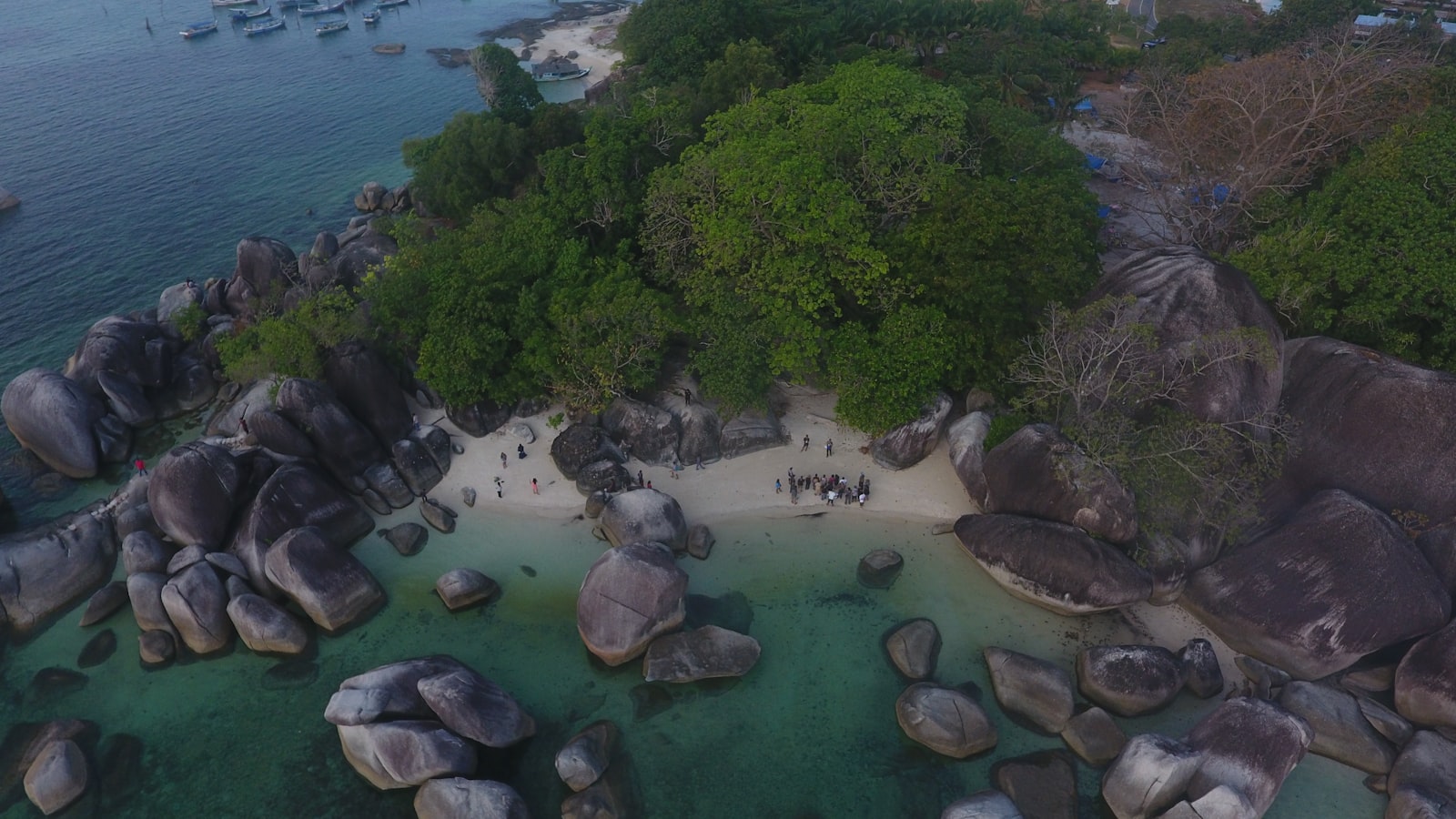
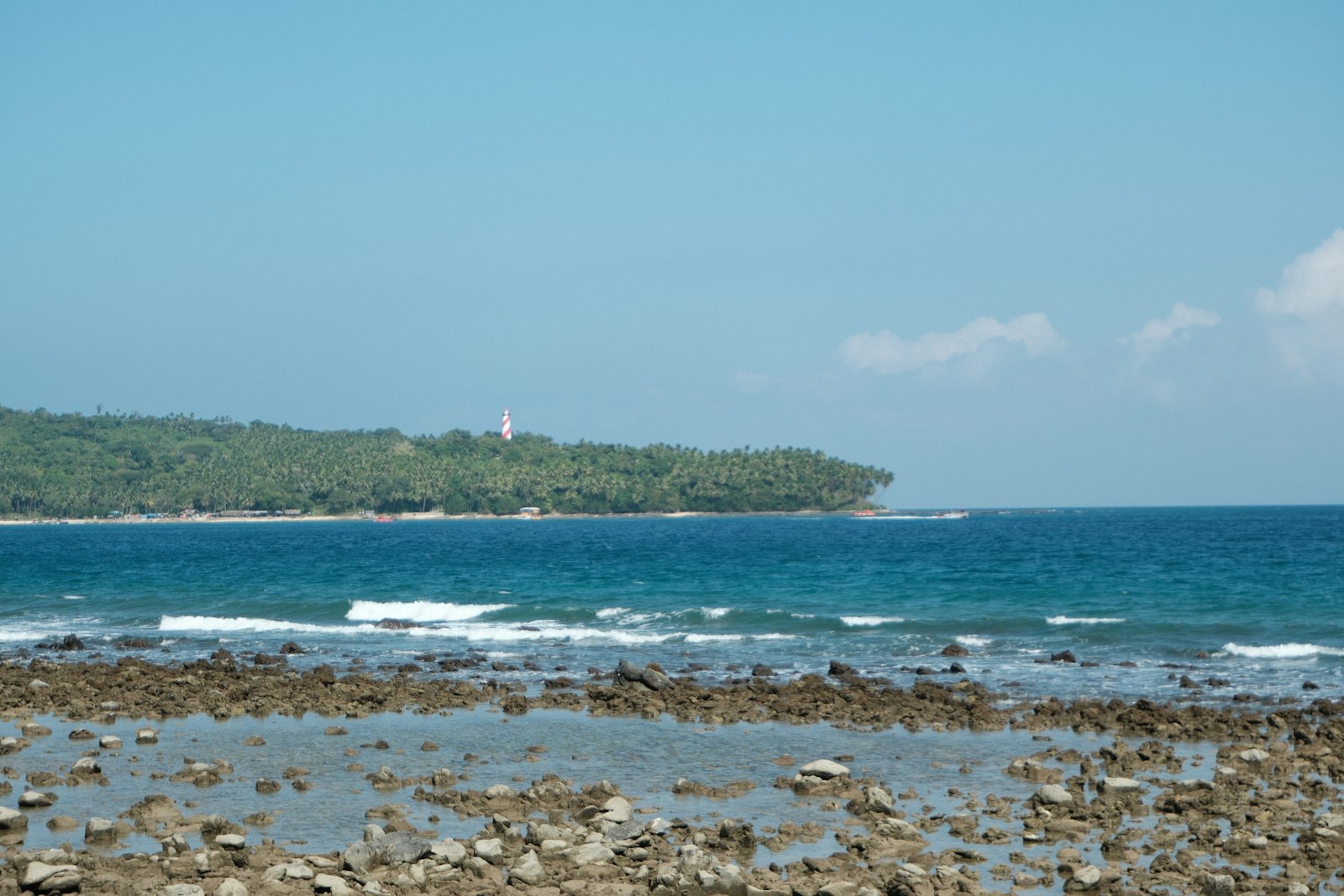
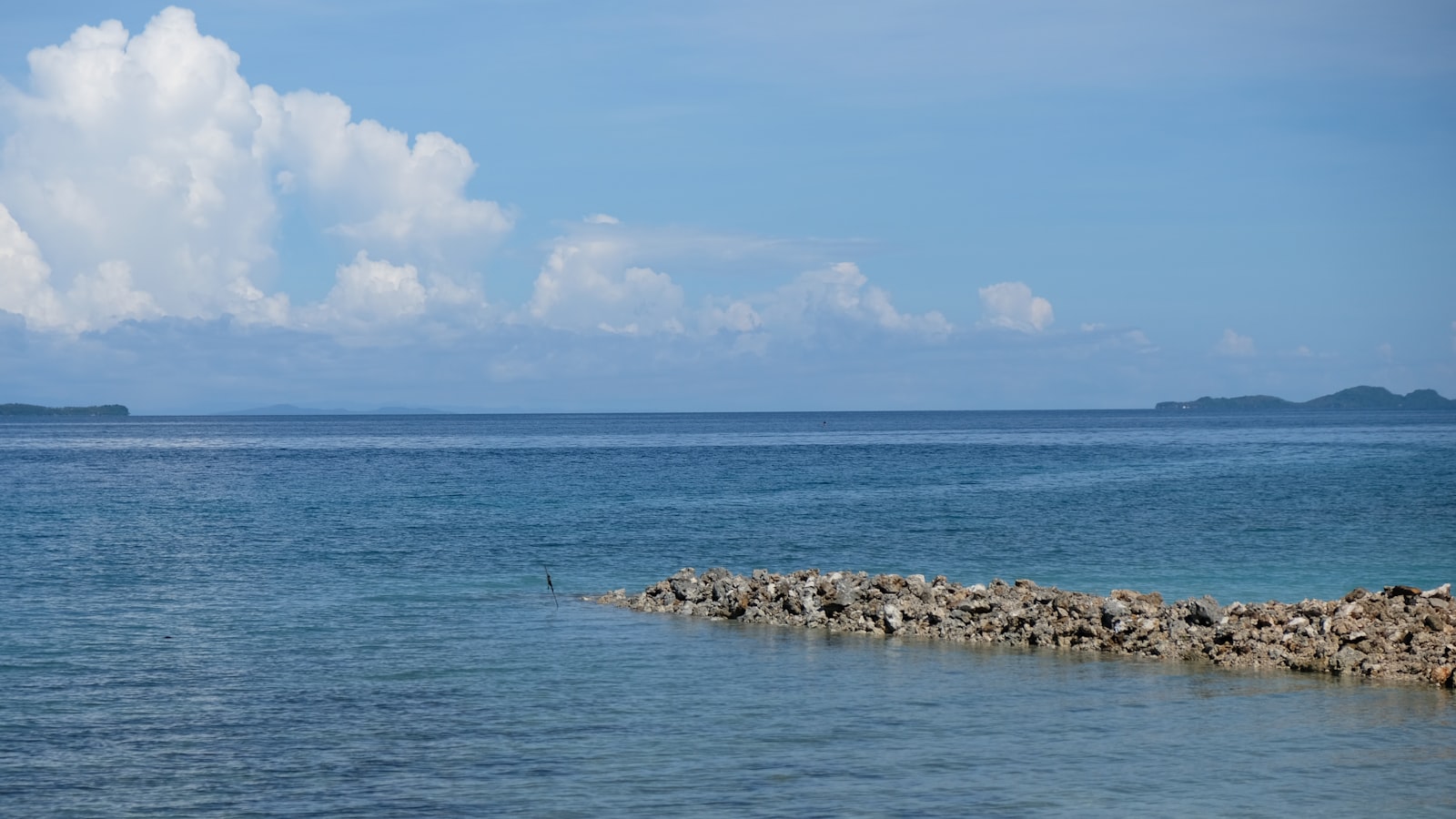
01Rounded granite spilling into a shallow cove.
Chapter 02
Belitung Weather by Month (At a Glance)
All patterns below are general climate tendencies [VERIFY]. Tropical weather can flip quickly, so always check a short-range forecast before you fly.
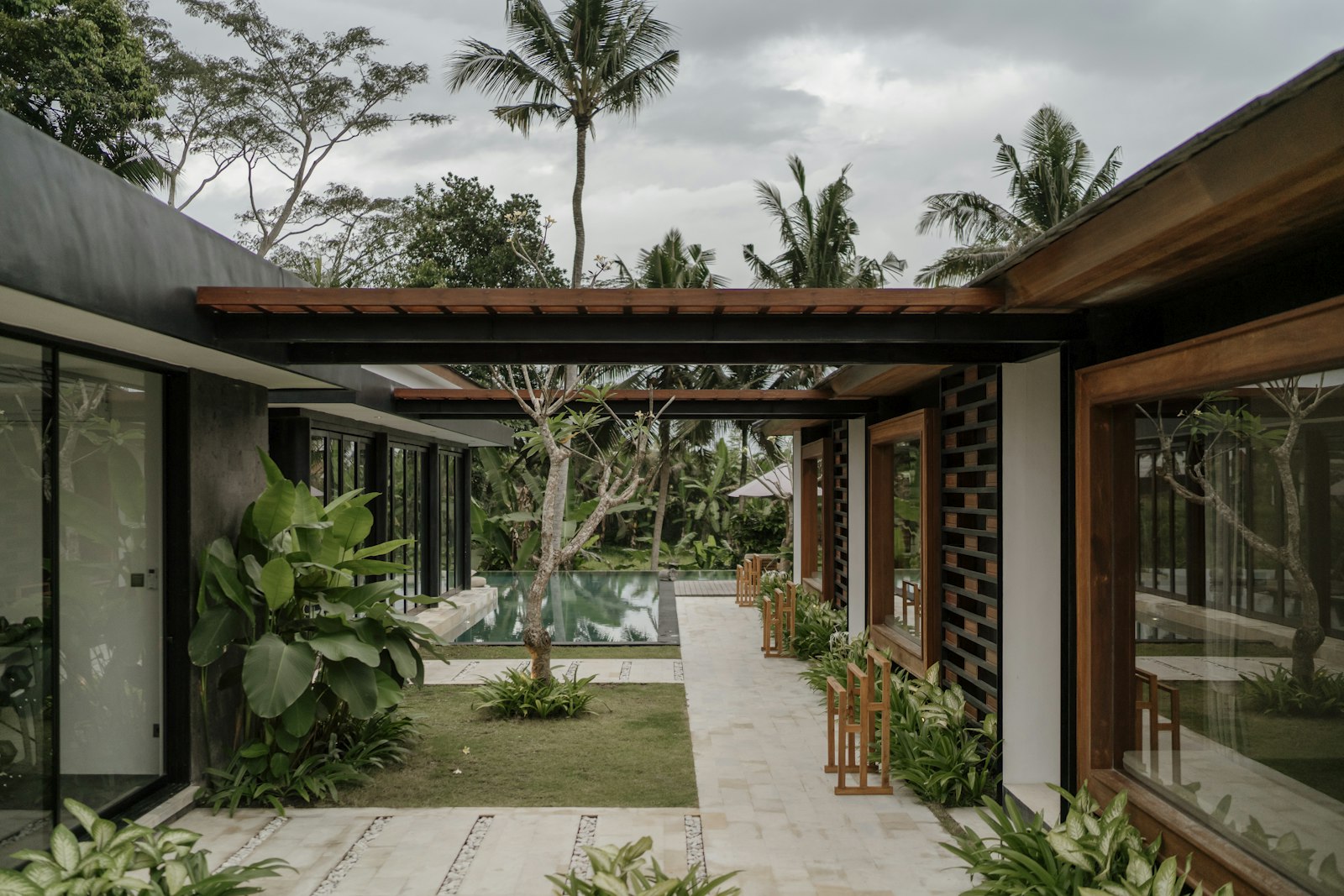
02Open pavilions and deep shade, built for the heat.
These months are generally considered Belitung’s drier, more predictable window [VERIFY]. “Dry” here does not mean zero rain; it means fewer long, heavy downpours and more reliable sunshine.
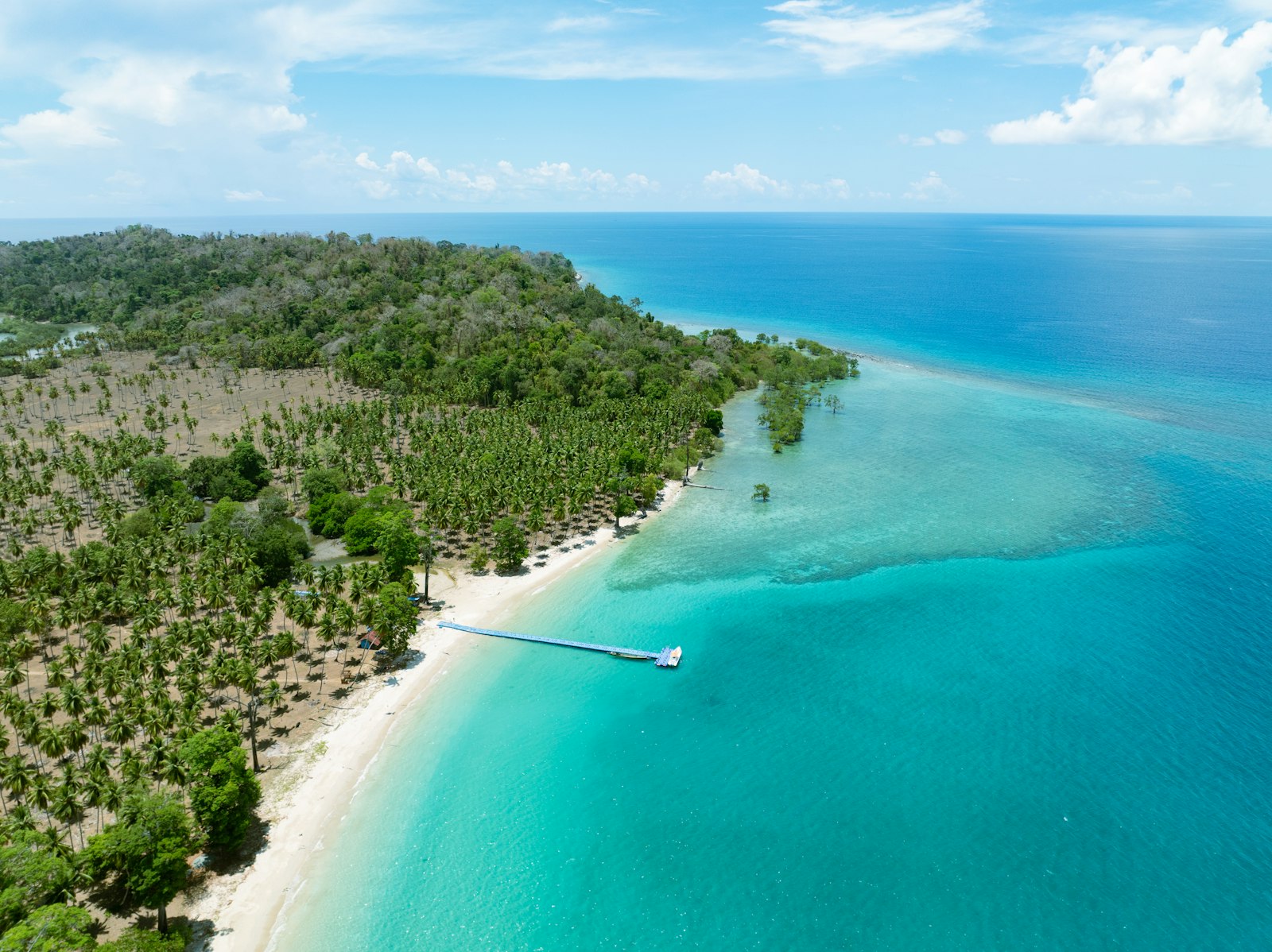
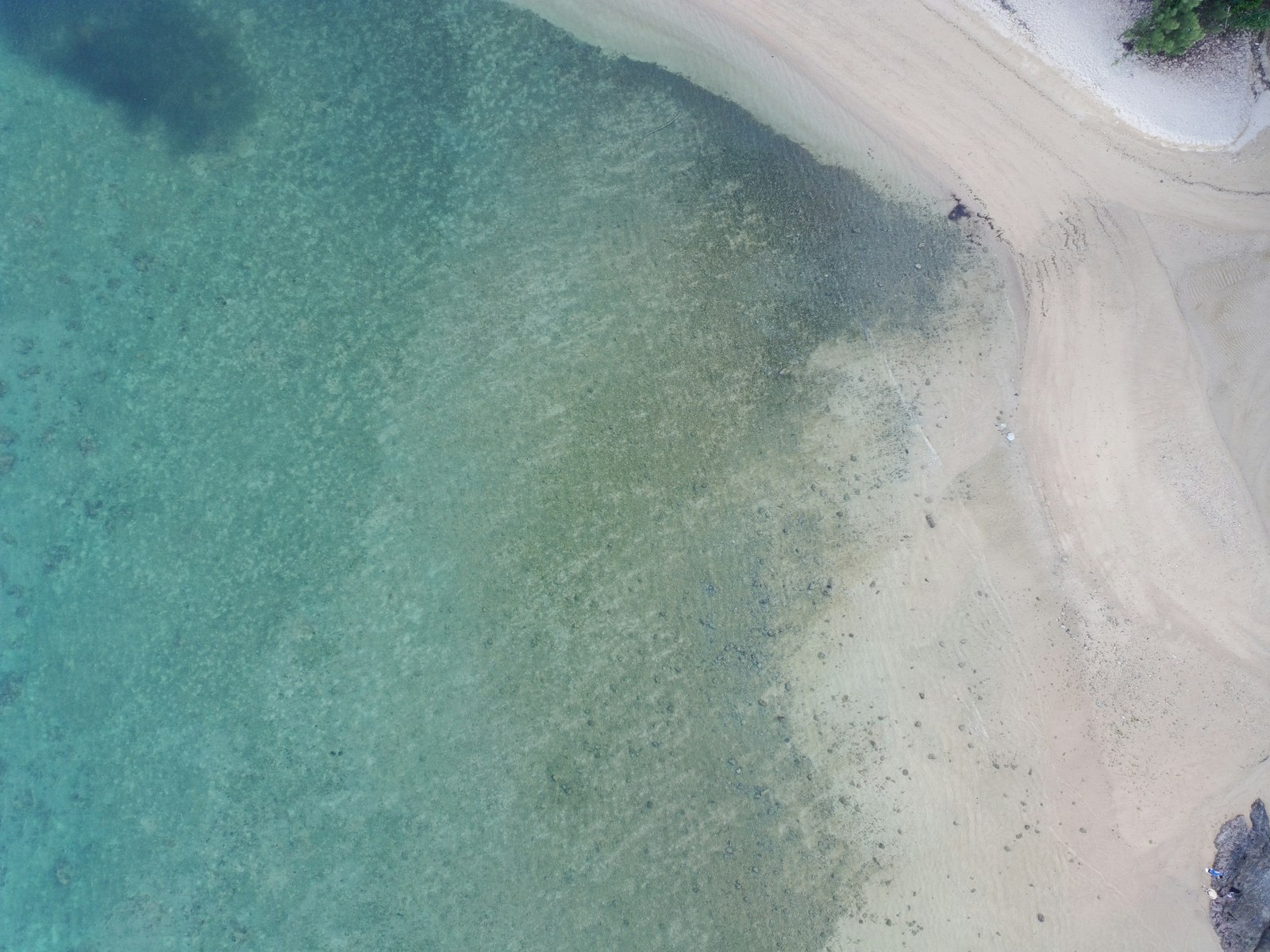
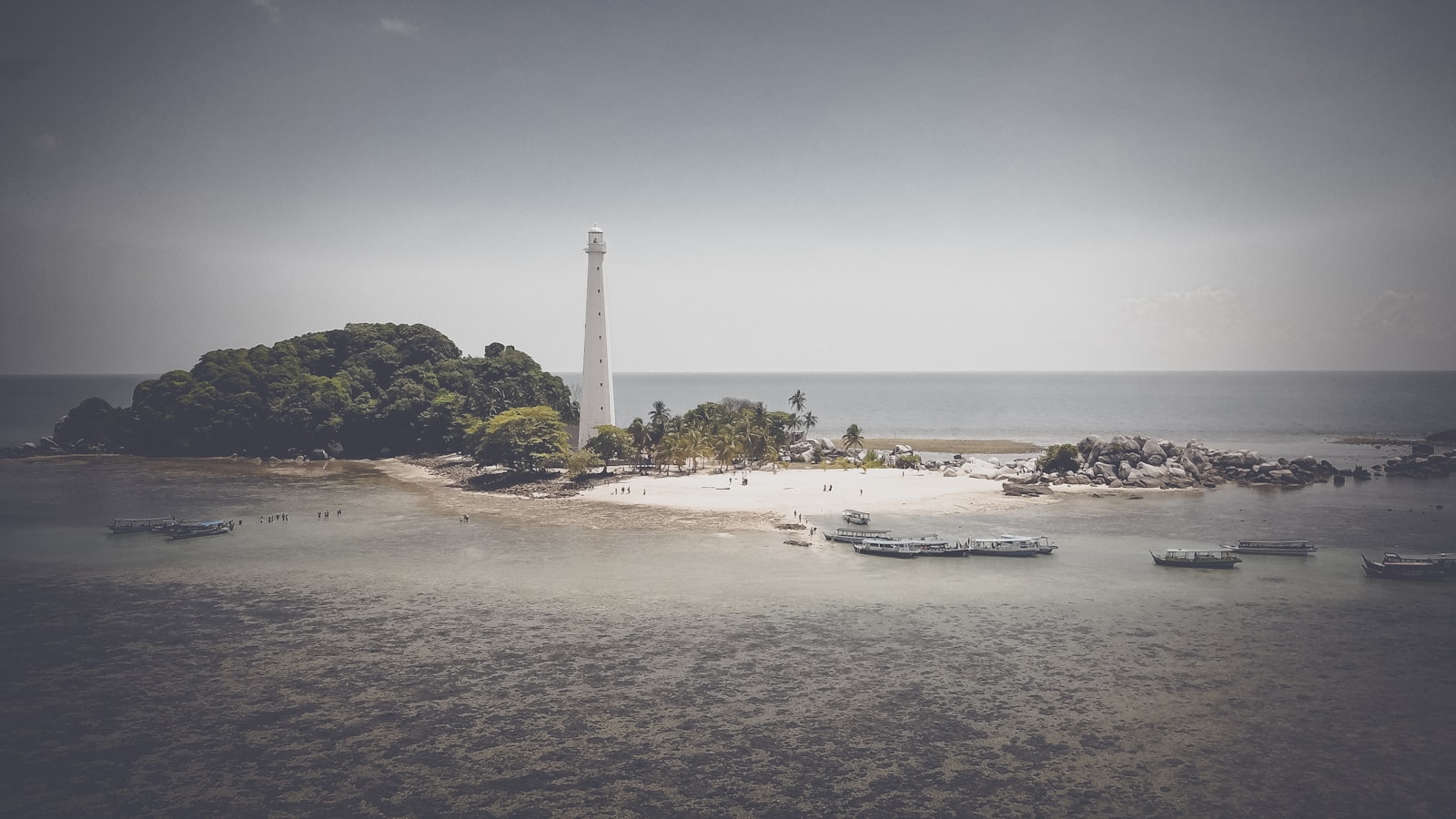
03Palms, white sand and wade-deep turquoise, seen from above.
01
April: The Soft Start of the Drier Window [VERIFY]
Shade indoors, glare outside — plan the middle of the day.
Rain pattern
Showers still appear, especially in the late afternoon or night, but multi-day rain is less common.
Temperature & humidity
Warm and humid, but not usually the heaviest of the year.
Sea conditions
Many workable boat days with calmer waters, though transitional weather can still surprise you.
Good for travellers who want some sunshine but can tolerate a few wet hours. If you like dramatic cloudy skies in photos, this month can be very photogenic.
02
May: One of the Sweet Spots [VERIFY]
Rain pattern
Typically lower rainfall than the core wet months, with more clearly sunny days.
Sea conditions
Often calm enough for comfortable crossings to Lengkuas, Kepayang, Kelayang and the sandbanks [VERIFY].
On the beach
Long, clear mornings are common, with the chance of a short shower later.
If you’re tuning your plans for villa stays plus island-hopping in equal measure, May is often a very solid choice.
03
June: Reliable For Outdoor Plans [VERIFY]
Rain pattern
Short showers, often passing quickly. Long grey days are less frequent.
Sea conditions
Generally favourable for snorkelling and easy island-hopping, with occasional windy pulses.
Trip feel
Combine beach days, cafe time in Tanjung Pandan, and full‑day boat trips without feeling you’re racing the rain.
June is popular for families and groups looking for a higher chance of “go” days than “wait it out” days.
04
July: Dry, Breezy, and Popular [VERIFY]
Rain pattern
Still on the lower side, but showers can pop up in the late afternoon.
Wind
Trade-wind type breezes can pick up, comfortable on land but sometimes choppy at sea.
Sea conditions
Most operators will still run island trips on many days; you might feel more movement on the boat than in May/June.
Expect stronger sun and higher UV; serious sunscreen, hats, and long-sleeve swimwear are a smart default.
05
August: High Sun and Classic Beach Weather [VERIFY]
Rain pattern
Often among the lower-rainfall months, though this is always [VERIFY].
Sea conditions
Frequently calm-enough mornings, sometimes windier afternoons.
Trip feel
Very “postcard Belitung”: clear turquoise shallows around granite boulders, bright light, and evenings that feel pleasantly warm rather than sweltering.
Your main trade-off: high UV and the possibility of crowds around national holidays or school breaks.
06
September: Still Good, Slightly Warmer [VERIFY]
Rain pattern
Generally manageable, though showers may grow a bit more frequent later in the month.
Sea conditions
Often very usable, though the odds of a “not ideal” sea day start rising slightly as you move toward October.
Trip feel
Good value for travellers who want drier conditions but not peak‑holiday vibes.
If your priority is relaxed villa time and one or two island days (not daily boat trips), September can be a smart compromise.
07
October: The Tipping Point [VERIFY]
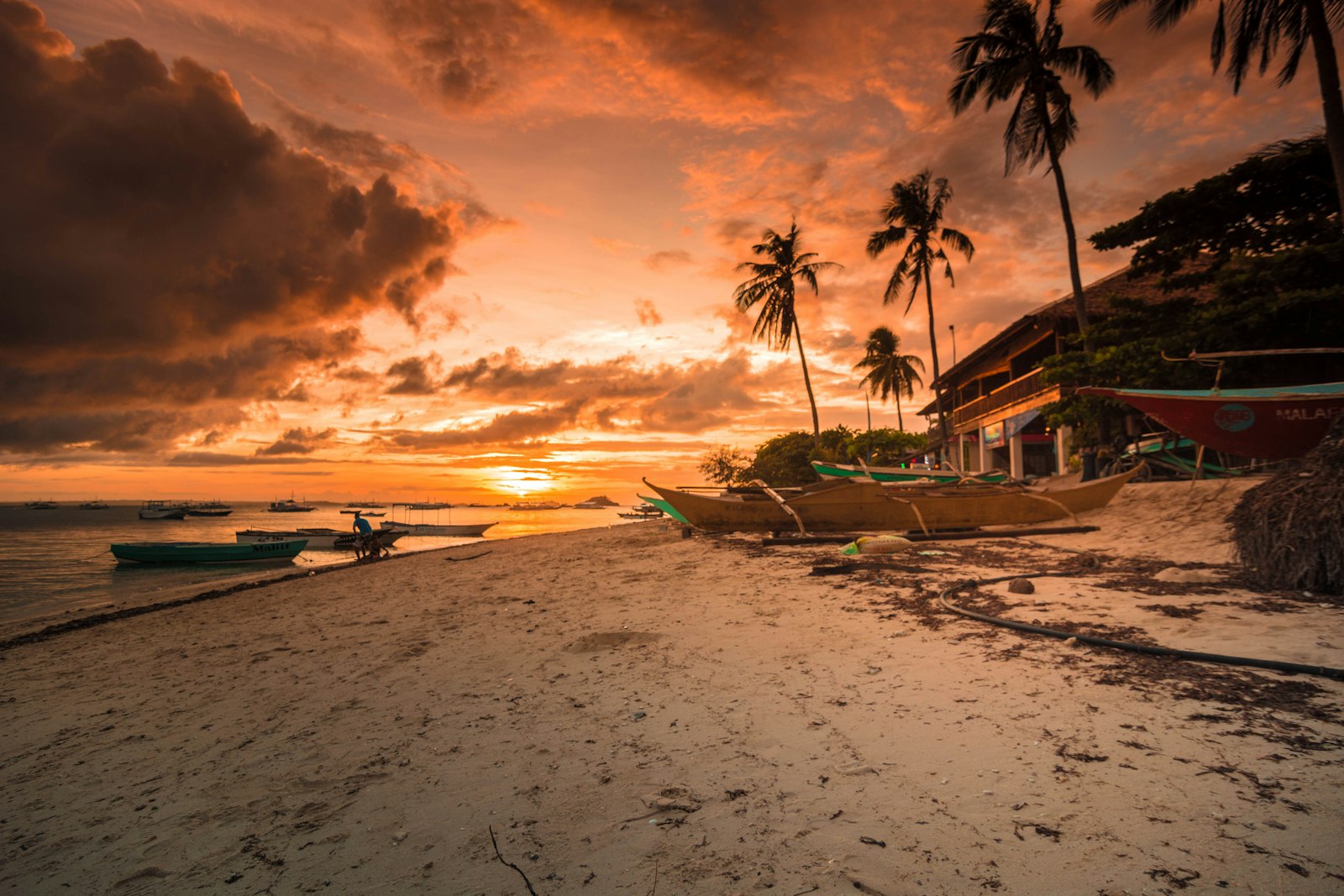
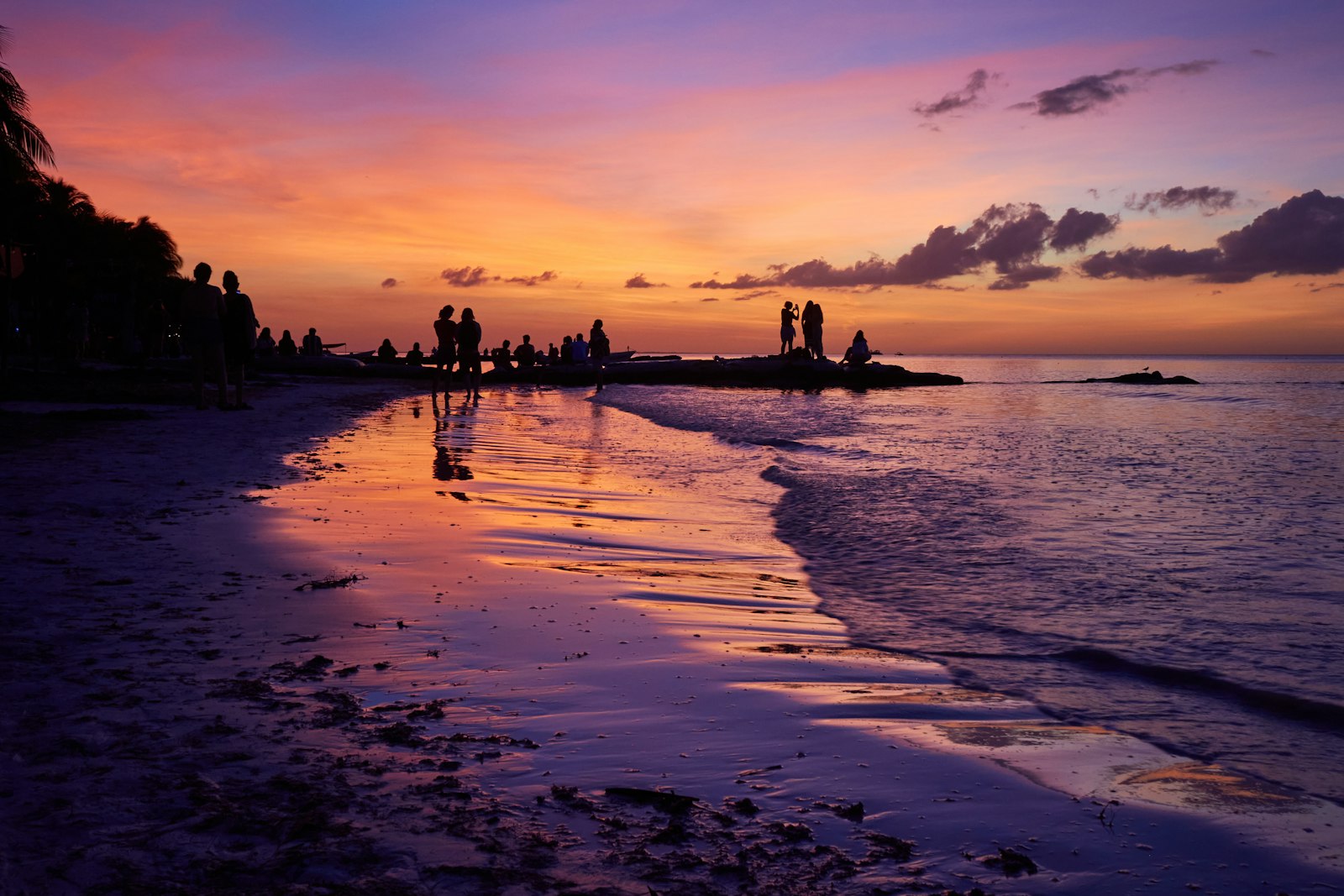
Sunset from the beach, no crowd to speak of.
Rain pattern
Transition month. You may experience long dry stretches, or an early surge of afternoon thunderstorms.
Sea conditions
More variable. Calm mornings are common, but sudden squalls also appear.
Trip feel
Ideal for flexible travellers who can shuffle activities — swap boat day to land-based exploring if a storm line moves in.
If you’re planning complex logistics (multi-boat, big groups), budget mental space for last‑minute tweaks.
Chapter 04
Wetter Months: November to March [VERIFY]
This is Belitung’s wetter, more unsettled phase. It’s not “monsoon” in the dramatic holiday‑ruining sense every day, but you should expect more rain events and more days where boats are a question mark.
04Most snorkeling here starts from the shallows, not a drop-off.
01
November: Wet Season Emerging [VERIFY]
Rain pattern
Showers and thunderstorms become more common. Some days stay hot and sunny until a late‑afternoon downpour.
Sea conditions
Increasingly choppy spells; some operators may cancel or shorten routes.
Trip feel
Lusher landscapes and greener coconut groves, but you trade some reliability for that vibrancy.
Photography can be lovely: softer light, more dramatic skies. Just keep a dry bag in your daypack.
02
December: Wet, Festive, and Unpredictable [VERIFY]
The beach empties out around sunset.
Rain pattern
This is often one of the wetter months, with heavier downpours and sometimes multiple wet days in a row. [VERIFY]
Sea conditions
A real mix — you can catch serene sunny mornings between systems, or face outright cancellations for safety.
Trip feel
Year-end holidays bring demand for villas and resorts, even though weather is a lottery.
If your dates are fixed for Christmas/New Year, try to give yourself at least one “backup” island-hopping day in the itinerary in case the first attempt washes out.
03
January: Peak Rain Risk [VERIFY]
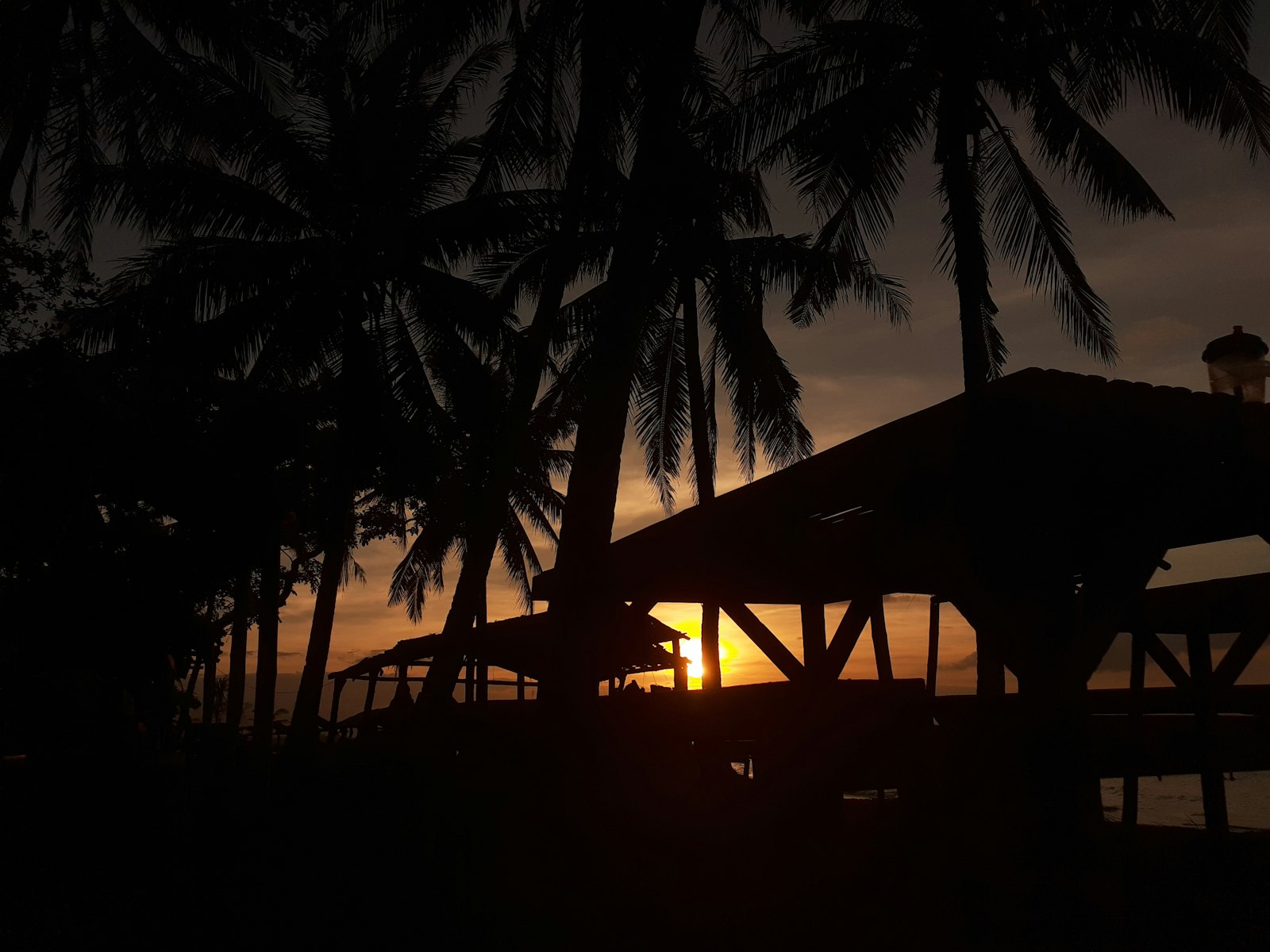
The last of the light behind the pavilions.
Rain pattern
Frequent rain, high humidity, and potential for thunderstorms, often in the afternoon or at night.
Sea conditions
Swell and wind can be more aggressive; short-range forecasts matter.
Trip feel
Quieter beaches between local holiday spikes, intensely green scenery, but this is not the safest month for obsessively planned multiple boat days.
If you come now, focus on slow villa time, coastal drives, cafes, and on‑the‑day decisions about the ocean.
04
February: Still Wet, Slight Easing Late [VERIFY]
Rain pattern
Still wet-season, but some years see a gentle easing toward the end of the month. [VERIFY]
Sea conditions
Mixed, from calm pockets to choppy spells.
Trip feel
Good for travellers who want value, don’t mind clouds, and are happy if island-hopping becomes a half‑day, not every‑day, activity.
You’ll appreciate properties with covered outdoor spaces: verandas, lounges, and good Wi‑Fi for rainy intervals.
05
March: Transition Back Toward Drier [VERIFY]
Rain pattern
Showers continue, but gaps of blue sky become more consistent.
Sea conditions
Still variable; some great days in between unsettled ones.
Trip feel
Rewarding if you can accept some lost hours to rain in exchange for lower demand and softer rates in many villas.
March is a good “I want Belitung, but I’m not locked to school-holiday dates” month.
Chapter 05
Belitung Rainfall by Month: Expectations, Not Guarantees
Talking about “Belitung rainfall month by month” can create a false sense of precision. Climate norms help, but local weather is noisy. All amounts and patterns below are general climate tendencies and should be treated as [VERIFY].
05Metres from shore and still only knee-deep.
01
How Rain Typically Shows Up
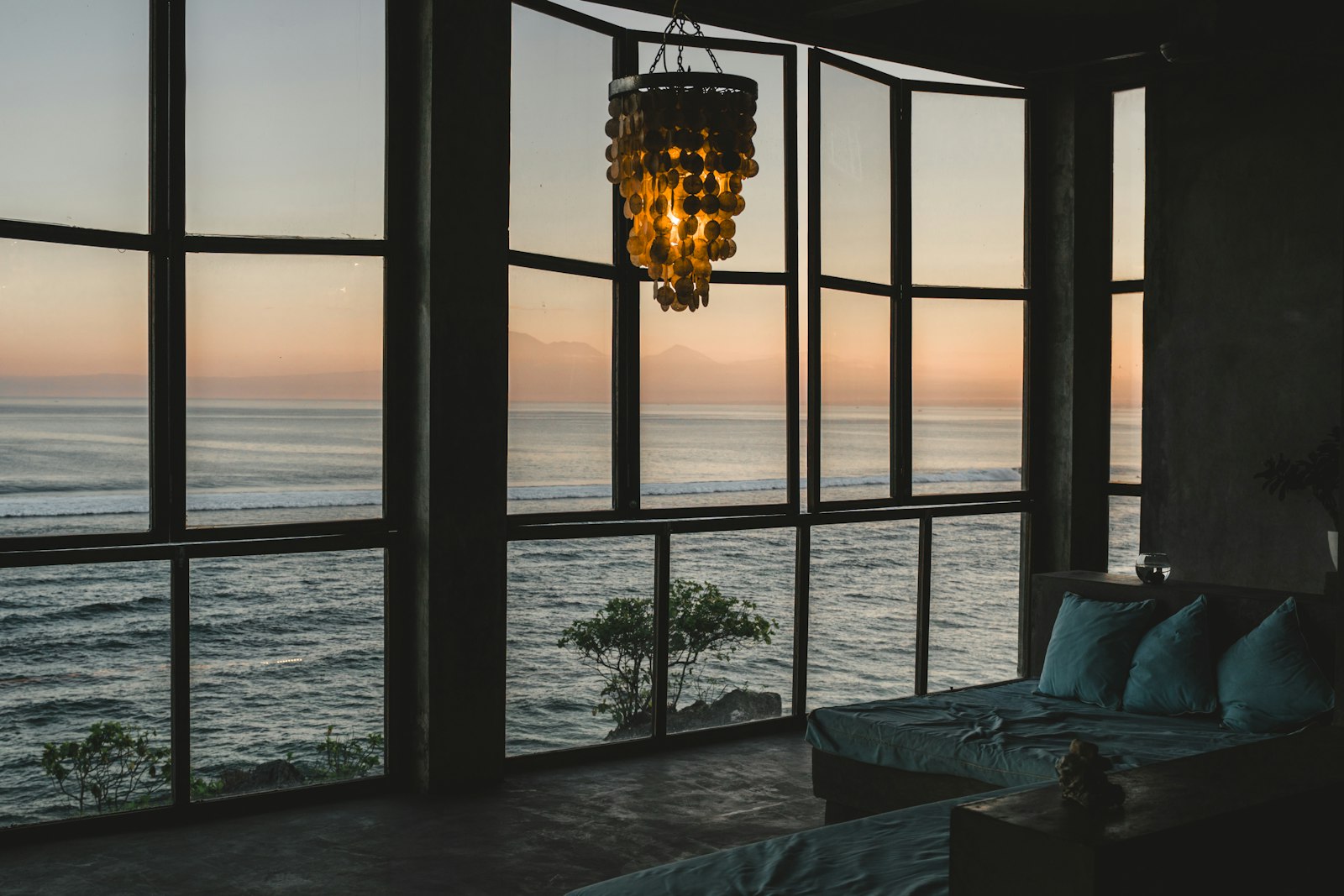
Full-height glass does the work; the view is the decoration.
Burst style
Heavy tropical showers that can dump a lot of water in 30–90 minutes, then clear.
Night vs day
It is common for some rain to fall at night or toward late afternoon, with mostly usable mornings.
Storm cells
Thunderstorms can form quickly; your 9am blue sky can be 2pm lightning.
This is why we always suggest building a little slack into your itinerary — especially in the wetter stretch from November to March [VERIFY].
02
Which Months Tend to Be Wettest or Driest? [VERIFY]
Period interiors of the kind the film crews used.
Based on regional tropical patterns around this part of Indonesia [VERIFY]:
Wetter tilt
Roughly November–March often carry higher rainfall totals.
Drier tilt
Around April–October usually see lower totals and more clear sky.
Within that
Likely “wetter” candidates
December, January, sometimes February [VERIFY].
Likely “drier” candidates
June, July, August [VERIFY].
Again, this is not a promise. Every year has its quirks. If your trip is built around specific activities (e.g., multiple offshore days), ask us to sanity-check your timing: plan your trip or WhatsApp us on +62 811 3941 4563 for a realistic, by‑month risk chat.
Chapter 06
Sea Conditions and Island-Hopping: What the Weather Really Changes
Most travellers care about Belitung weather because of one central experience: getting out on the water. So let’s talk sea conditions more honestly.
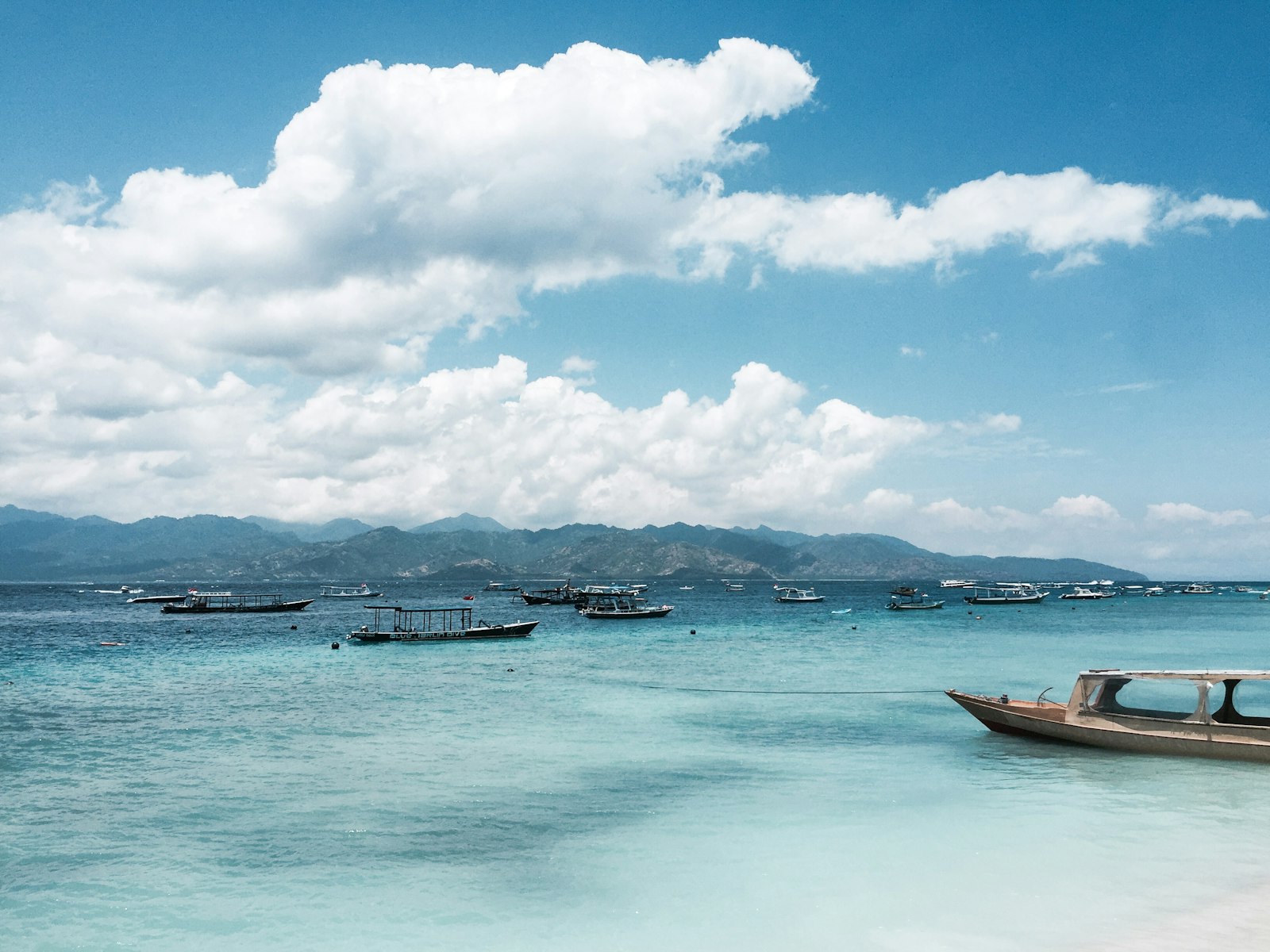
06Wooden boats moored in the shallows between stops.
01
Dryer Months: Generally Calmer, Still Not Flat-Lake Guarantees [VERIFY]
From about April to October [VERIFY]:
Wave height
Often lower, but still enough motion that prone-to-seasickness guests should prepare.
Wind
Breezes are common; some days feel more gusty, especially around July–August.
Clarity
Water clarity for casual snorkelling is often good, especially after a run of dry days.
Island-hopping in these months usually feels accessible for most travellers, from families to older guests, as long as they’re comfortable stepping in and out of boats in knee‑deep water.
02
Wetter Months: More Choppy Days and Possible Cancellations [VERIFY]
Rock spits mark most of the swimmable bays.
From roughly November to March [VERIFY]:
Increased swell
Stronger onshore winds and squalls can produce uncomfortable chop.
Short-notice changes
Boat captains and partners may call off a trip on the morning itself for safety.
Visibility
Runoff from heavy rain and stirred-up sand can reduce underwater clarity after storms.
If your heart is set on island-hopping, we usually recommend prioritising the drier side of the year, or at least building two potential “boat slots” into your schedule so you can move things if the first day goes south.
03
What This Means for Your Plan Types
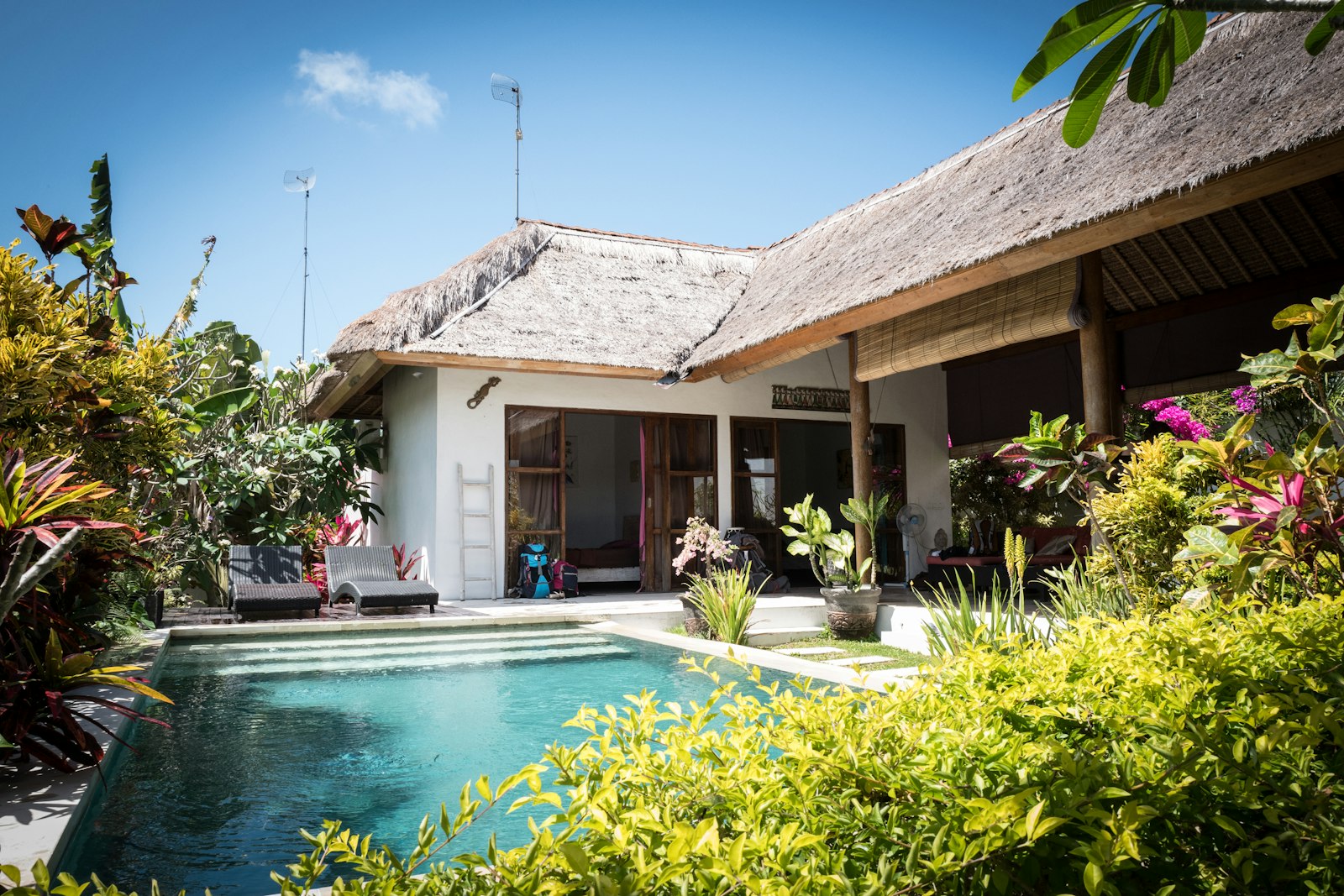
Villa, pool, garden — the shape of most private stays here.
Villa-focused, pool + beach relaxation
Works year‑round; wetter months simply mean you’ll spend more time under cover with books, spa, and long meals.
Island-hopping every day
Best attempted April–October [VERIFY]. In wetter months, assume some days will just not be safe or enjoyable at sea.
Photography-heavy trips
Drier months bring high-contrast, bright blues; wetter shoulder months (March/November) bring moodier skies and softer light.
Short 2–3 night escapes
Because you have less buffer, timing matters more: drift toward the drier side if you can.
If you share your dates and priorities, we can build a route that respects both the weather pattern and your risk tolerance. Reach out to plan your trip or message us on WhatsApp: +62 811 3941 4563.
Chapter 07
How Belitung Weather Affects Pricing and Availability
Belitung doesn’t have a single “high/low season” rule the way some resort islands do, but weather does interact with demand.
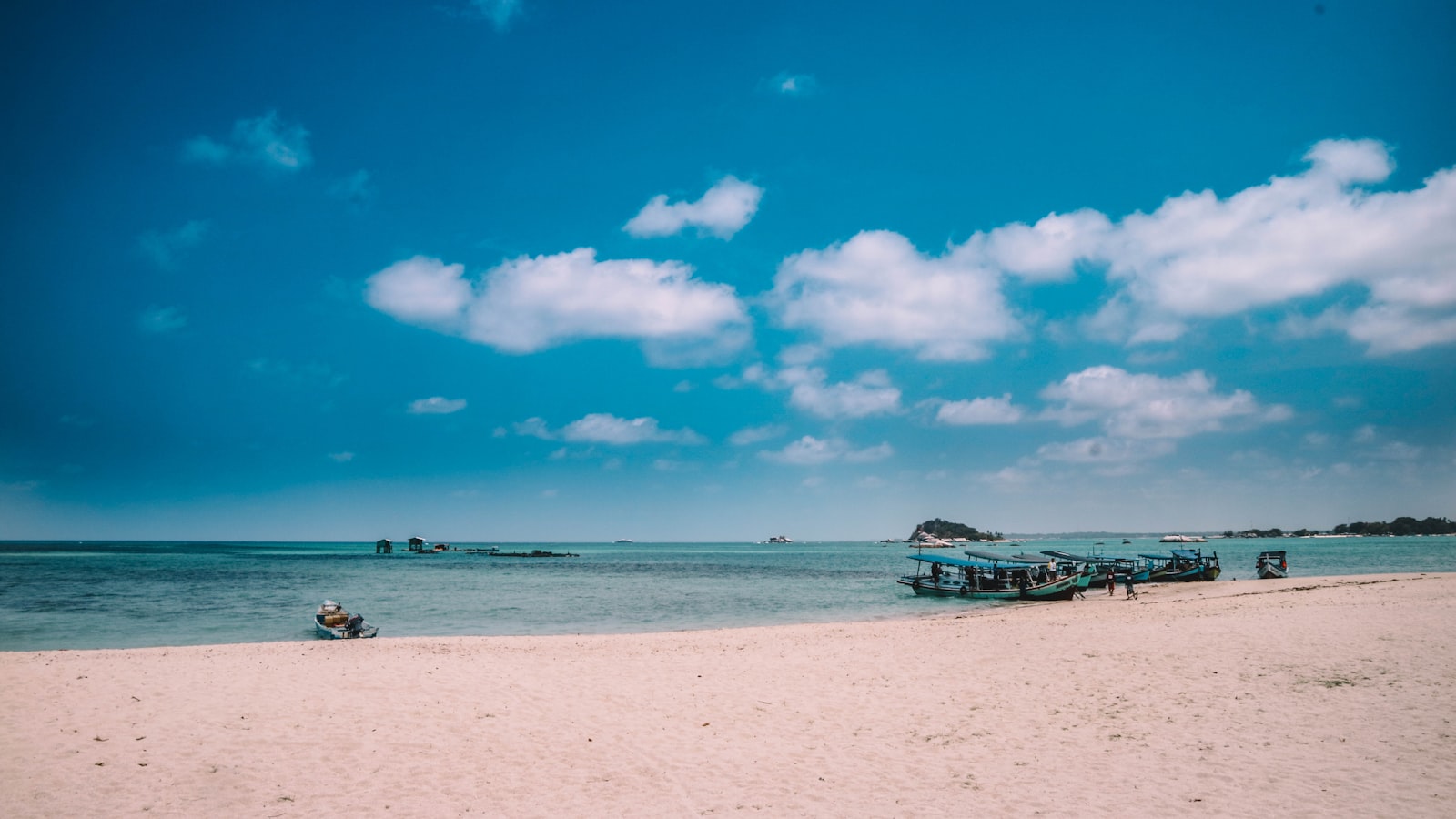
07White sand and moored boats — the everyday view along Belitung’s northwest coast.
Boarding is usually a short wade in ankle-deep water.
Villas and resorts
Beachfront villas and pools with good shade often see higher occupancy in school and public holiday windows within the drier season.
Island tours
Demand for boats rises in these months; last-minute travellers may find fewer choices on specific days.
Indicative pricing
Private full‑day island-hopping by small boat can sit roughly in the IDR low‑millions per boat range, depending on boat type, inclusions, and headcount, last verified June 2026 [VERIFY].
Prices are often quoted by itinerary and group size. We work via vetted partners and always confirm by‑quote ranges; no fixed menu prices here.
02
Wetter Months: More Value, More Weather Risk [VERIFY]
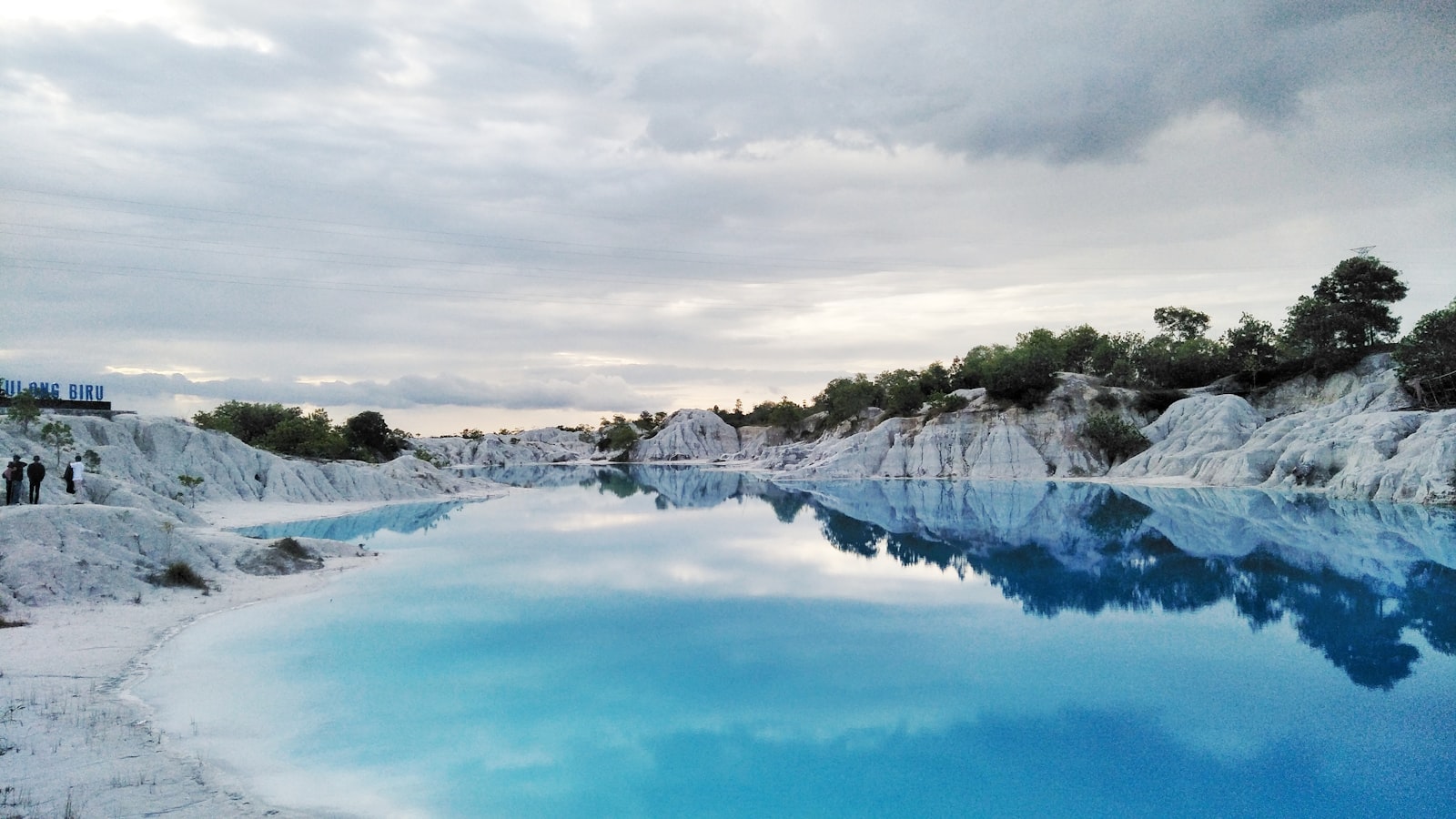
The kaolin lakes inland — white banks, unreal blue water.
Accommodation
You may find better availability and promotional rates, especially outside major local holidays.
Boats
Some operators reduce frequency or simply say no on marginal days; safety leads.
Trade-off
You’re trading cost savings and quieter beaches for a higher probability that you’ll reshuffle plans around sudden squalls.
We can help read the pattern for your specific dates and quote realistic ranges for villa + boat packages (through partners). If you proceed with our partner they may pay us a referral fee at no extra cost to you; no one can pay to change what we publish.
Chapter 08
Packing for Belitung’s Climate: Dry vs Wet
For a fuller checklist, see our dedicated Belitung packing list. Weather‑specific highlights:
08Lengkuas from the water — boats pull straight up onto the sand.
01
Essentials for All Months
Lightweight, breathable clothing (linen/cotton)
High‑SPF reef-considerate sunscreen
Sun hat and polarized sunglasses
Sandals that can get wet and grip granite/boulders
A light cover-up or long-sleeve rash guard for UV
02
Extras for the Wetter Months (Nov–Mar) [VERIFY]
Compact umbrella or light rain jacket
Dry bags for phones and cameras on boats
Extra changes of clothes to switch after showers
Travel-sized laundry detergent (things can get soggy)
03
Extras for Peak Sun (Jun–Aug) [VERIFY]
Stronger SPF and after-sun care
Extra swimwear so one set can always be drying
Light scarf or shawl for shoulders and neck
Tropical weather is forgiving if you’re prepared, and unforgiving if you assume it will behave like the Mediterranean. Pack for “sun plus surprise shower” as your default.
Chapter 09
How We Help You Plan Around Belitung Weather
We’re a concierge-style guide, not a mass operator with boats to fill. Our role is to:
Interpret Belitung weather by month in plain language for your actual dates
Suggest villa vs resort options that match your weather tolerance (e.g. more covered spaces in wetter months)
Work with vetted local partners to arrange island-hopping and transfers with a realistic eye on sea conditions
No one can pay to change what we publish; if you proceed with our partner they may pay us a referral fee at no extra cost to you.
Share your dates, priorities, and “no‑compromise” activities, and we’ll help design something that respects both the forecast and the reality that the sea always has the final word. You can plan your trip via our form or WhatsApp us directly on +62 811 3941 4563.
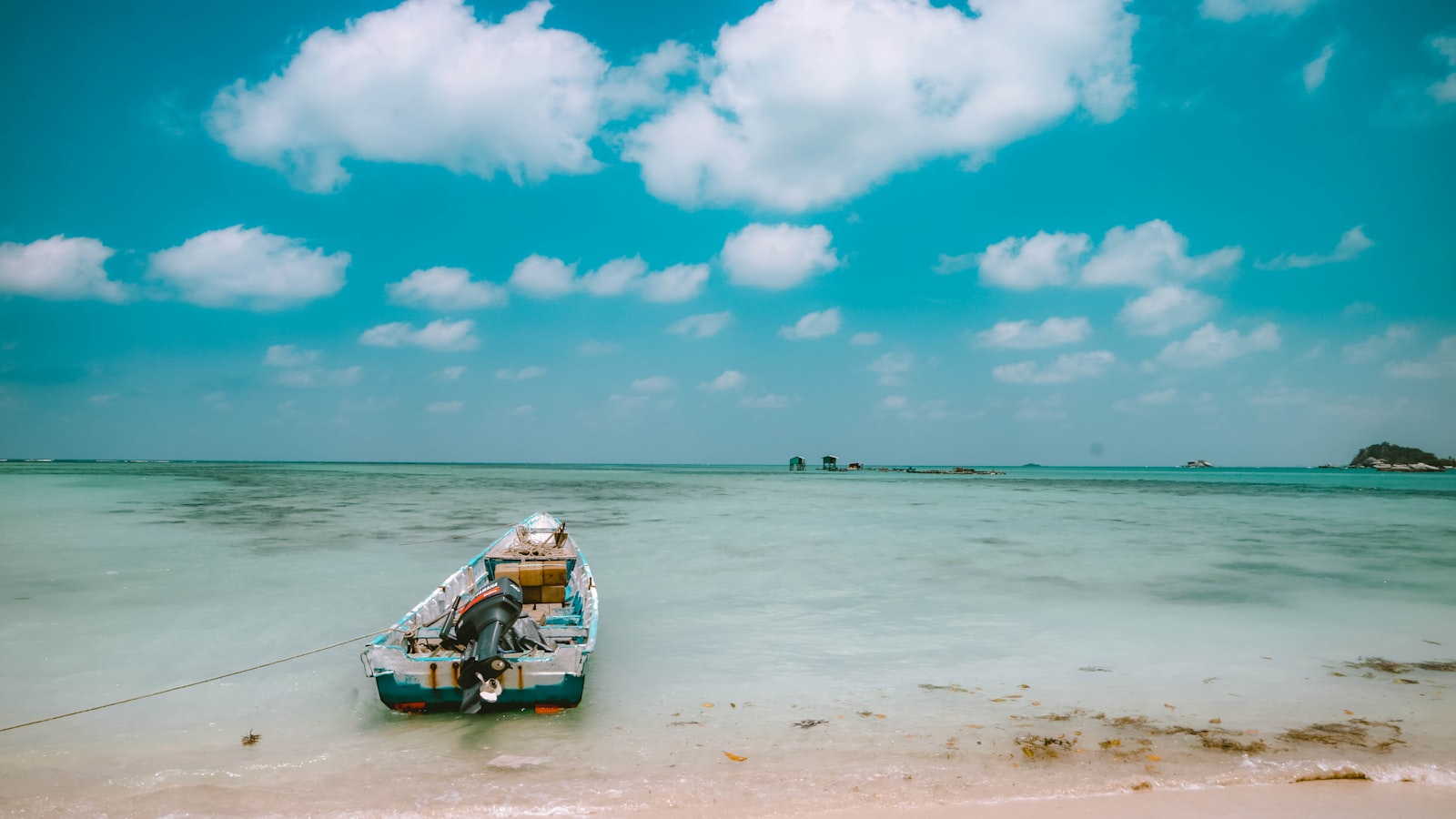
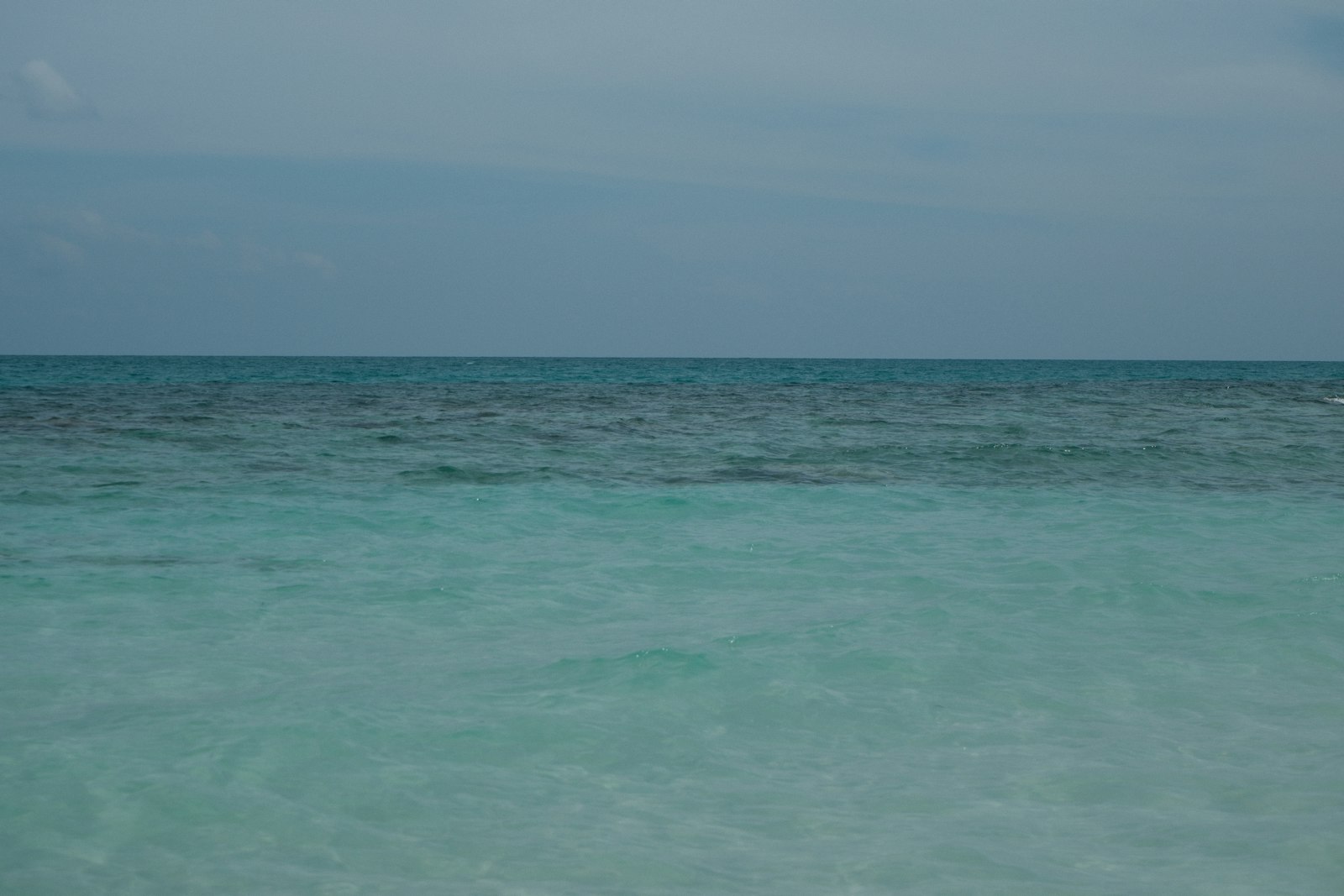
09Calm, clear water — the reason people come back.
Questions & Answers
FAQs: Belitung Weather by Month
Is there a “best” month to visit Belitung for weather?
For a mix of sunshine, relatively lower rainfall, and workable seas, many travellers gravitate toward May–September [VERIFY]. That said, each month has trade-offs; check our best-time guide and match it against your own priorities.
Can I still do island-hopping in the wet season?
Yes, but with more caveats. From November to March [VERIFY], some days will be fine while others are too rough. You should build in flexibility, accept possible cancellations, and avoid planning critical, non-movable events at sea in this window.
Does it rain all day in the wet months?
Usually not. Even in wetter months, rain often comes in bursts—short heavy showers or storms with clear breaks between them [VERIFY]. Multi-day continuous rain is possible, but less common than a daily cycle of sun, clouds, then downpour.
How far in advance should I plan around the weather?
Use the month‑by‑month patterns to choose a general window (e.g. drier vs wetter season), then check short-range forecasts in the last 7–10 days before travel. For itinerary design that respects these patterns, you can plan your trip with us or WhatsApp +62 811 3941 4563 for tailored advice.
Is Belitung very humid?
Yes. As a tropical island near the Equator, Belitung tends to feel humid throughout the year, often above 70% humidity [VERIFY]. Light clothing, hydration, and air-conditioned rest periods help a lot.
Tell us what you have in mind. We reply on WhatsApp with a curated villa/resort shortlist plus island-hopping and an indicative quote, and arrange your booking through our vetted operating partner. Concierge, not operator.